



How Do Different Species of Jellyfish Survive in Their Environments?
- Pet and animal
- April 28, 2023
- No Comment
- 20
Jellyfish are fascinating creatures that have been around for millions of years, and there are thousands of different species found all around the world. Each species has its own unique adaptations that allow it to survive and thrive in its environment. In this article, we will explore some of the ways in which different species of jellyfish survive in their environments.
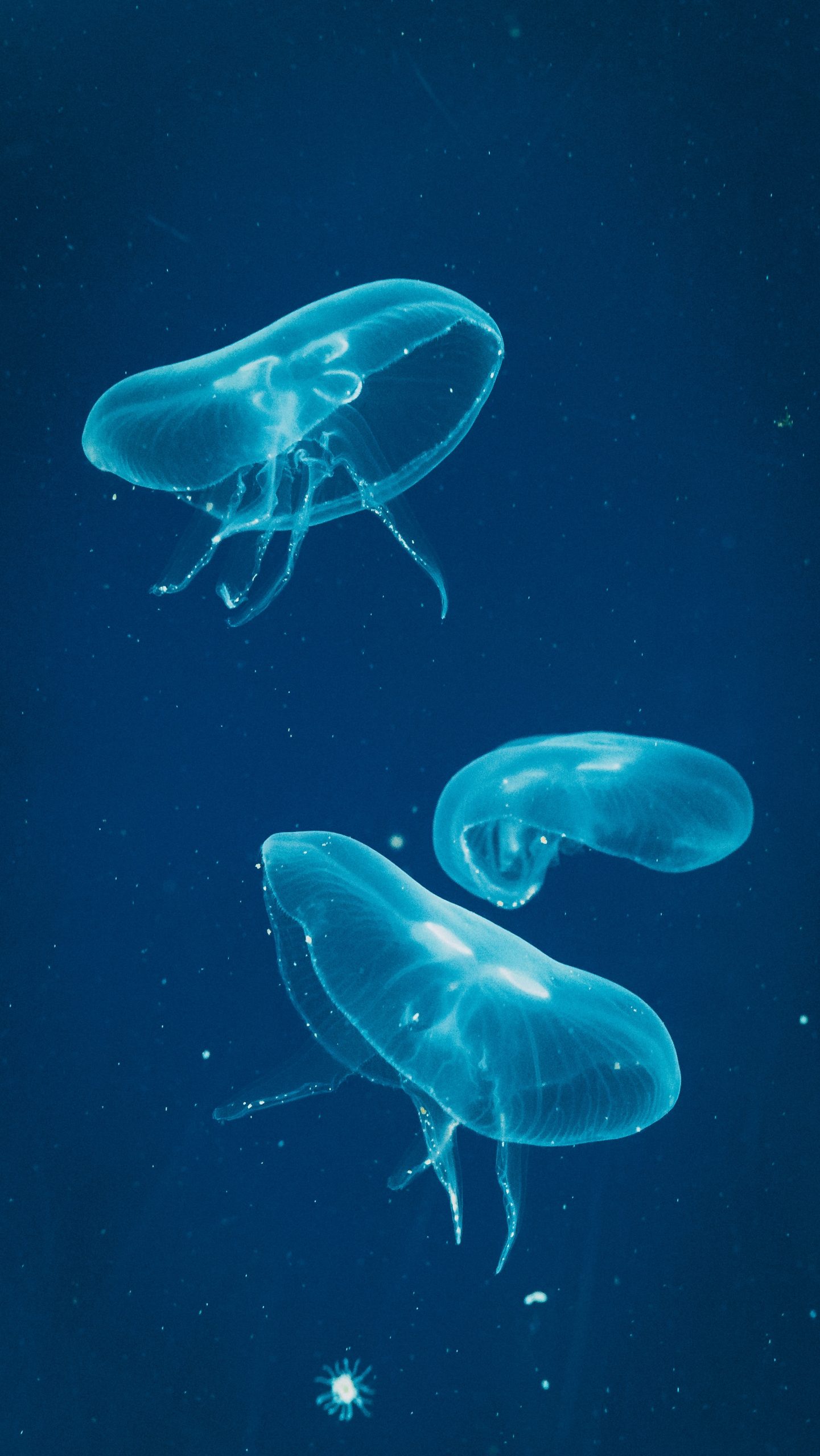
One of the most interesting things about jellyfish is their ability to live in a wide range of environments, from the freezing waters of the Arctic to the warm tropical waters of the Pacific. This adaptability is due in part to their simple, yet efficient, body structure. Jellyfish are made up of a bell-shaped body and tentacles that contain stinging cells called nematocysts. These stinging cells are used for both defense and capturing prey.
Some species of jellyfish have developed unique adaptations to help them survive in their specific environments. For example, the box jellyfish, found in the waters around Australia and Southeast Asia, has a highly advanced nervous system that allows it to swim faster and hunt more efficiently. Its bell-shaped body is also more streamlined than other jellyfish, which allows it to move through the water more easily.
The lion’s mane jellyfish, found in the colder waters of the North Atlantic and Pacific, has adapted to survive in the frigid temperatures by growing long, flowing tentacles that trap heat and keep it close to its body. These tentacles can grow up to 120 feet long, making the lion’s mane jellyfish the longest known animal on the planet.
Other species of jellyfish have developed adaptations to help them survive in areas with less food. The mushroom jellyfish, found in the waters off the coast of California, has a symbiotic relationship with a type of algae that lives inside its body. The algae produce food through photosynthesis, which the jellyfish can then use as a source of energy.
Another interesting adaptation seen in some species of jellyfish is their ability to bioluminesce. Some jellyfish, such as the crystal jellyfish found in the Pacific Ocean, are able to emit a bright blue light from their bodies. This light serves as a form of communication between jellyfish, as well as a way to attract prey.
In addition to these unique adaptations, jellyfish also have an impressive ability to reproduce. Most species of jellyfish go through a cycle of sexual and asexual reproduction, which allows them to quickly populate an area when conditions are favorable. During asexual reproduction, the jellyfish will release tiny polyps that attach to a surface and grow into new jellyfish. During sexual reproduction, male and female jellyfish release sperm and eggs into the water, which then join together to form a planula, a tiny larval stage that eventually grows into a fully-formed jellyfish.
In conclusion, the different species of jellyfish have adapted to survive in a variety of environments using a range of unique adaptations, including advanced nervous systems, long tentacles, symbiotic relationships, and bioluminescence. By studying these adaptations, we can gain a greater understanding of how these amazing creatures survive and thrive in their environments, and how they contribute to the balance of our planet’s ecosystems.





