



Heart Attack Symptoms
- health
- April 21, 2023
- No Comment
- 28
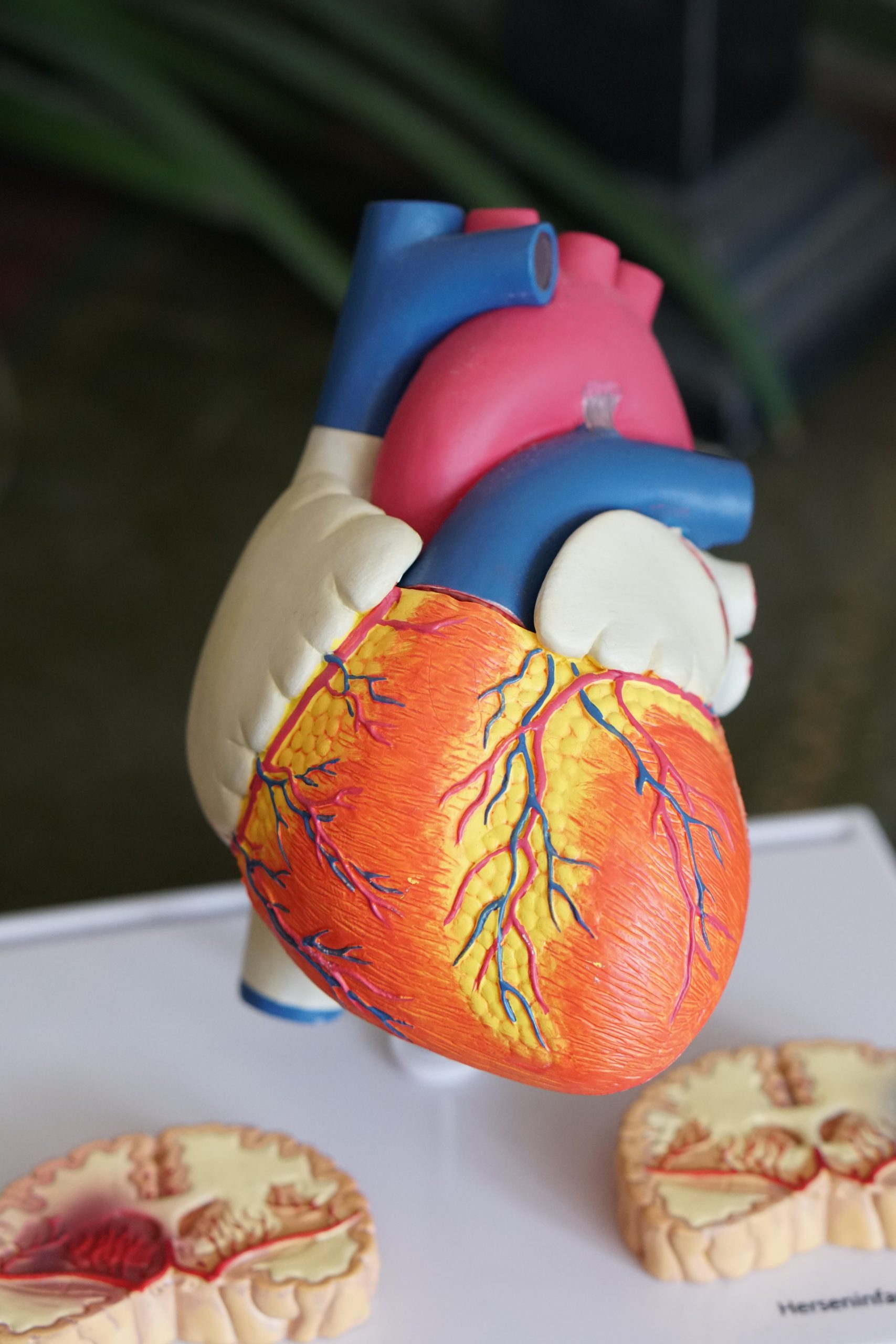
I am pleased to assist you in writing an article about “Unraveling the Mysteries of Heart Attack Symptoms and Treatment.” A heart attack, also known as a myocardial infarction, occurs when there is a blockage in the blood vessels that supply the heart with oxygen and nutrients. It is a serious medical emergency that requires immediate attention.
The symptoms of a heart attack can vary, but some of the most common include chest pain or discomfort, shortness of breath, sweating, nausea or vomiting, and pain or discomfort in the arms, back, neck, jaw, or stomach. It is important to note that not everyone experiences the same symptoms, and some people may not experience any symptoms at all.
If you suspect that you or someone you know may be having a heart attack, it is important to seek medical attention immediately. The faster treatment is received, the better the chances are for a positive outcome. Treatment for a heart attack typically involves restoring blood flow to the heart by either dissolving the blood clot causing the blockage or by performing a procedure such as angioplasty or stenting to open the blocked artery.
In recent years, advancements in medical technology have led to new treatments for heart attacks. One of these treatments is the use of clot-busting drugs, which work to dissolve the blood clot causing the blockage. Another treatment is angioplasty, which involves using a small balloon to widen the blocked artery and then placing a stent to keep the artery open.
In addition to these treatments, there are steps that can be taken to reduce the risk of having a heart attack in the first place. These include:
- Quitting smoking: Smoking is a major risk factor for heart disease and can increase the risk of a heart attack.
- Maintaining a healthy weight: Being overweight or obese can increase the risk of heart disease and heart attack.
- Eating a healthy diet: A diet that is high in fruits, vegetables, whole grains, lean proteins, and healthy fats can help to reduce the risk of heart disease and heart attack.
- Exercising regularly: Regular exercise can help to improve cardiovascular health and reduce the risk of heart disease and heart attack.
- Managing chronic conditions: Chronic conditions such as high blood pressure, high cholesterol, and diabetes can increase the risk of heart disease and heart attack. It is important to work with a healthcare provider to manage these conditions.
In conclusion, a heart attack is a serious medical emergency that requires immediate attention. Knowing the symptoms of a heart attack and seeking medical attention right away can help to increase the chances of a positive outcome. Treatment for a heart attack typically involves restoring blood flow to the heart through the use of clot-busting drugs or procedures such as angioplasty or stenting. Additionally, steps can be taken to reduce the risk of having a heart attack, such as quitting smoking, maintaining a healthy weight, eating a healthy diet, exercising regularly, and managing chronic conditions. It is important to consult with a healthcare provider to develop an individualized plan for reducing the risk of heart disease and heart attack.





