


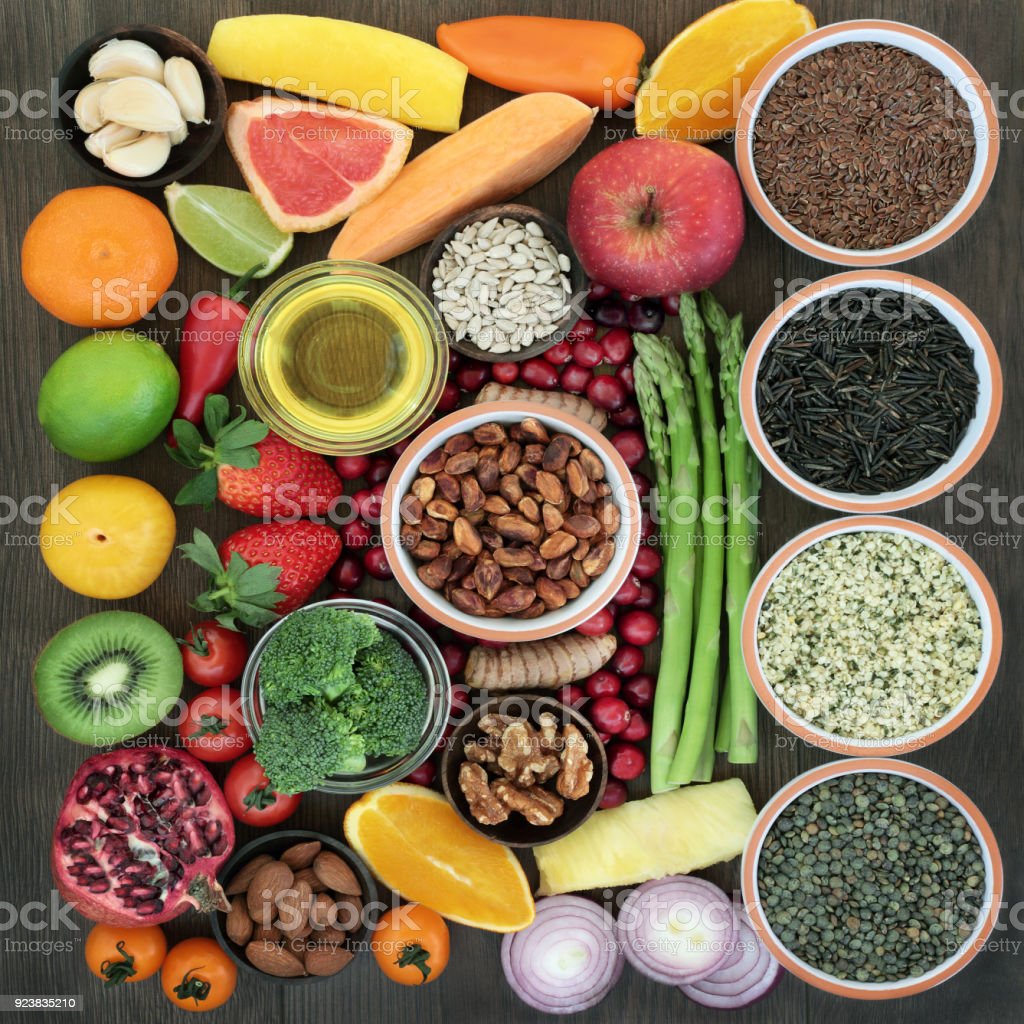

Healthy Aging Starts with Good Nutrition: How to Eat Right as You Get Older
- health
- April 24, 2023
- No Comment
- 23
Introduction
As we age, it becomes more important than ever to take care of our bodies and prioritize our health. One of the most crucial aspects of healthy aging is good nutrition. Eating a balanced diet can help fight off chronic diseases, maintain energy levels, and improve overall well-being. But what does “eating right” mean for seniors? In this blog post, we’ll explore the nutrients that seniors need to stay healthy, foods to avoid as you get older, and tips for maintaining a nutritious diet as you age. So grab a snack (preferably something healthy!) and let’s dive in!
The Importance of Good Nutrition for Healthy Aging
As we age, it becomes increasingly important to pay attention to our nutrition. Good nutrition is vital for healthy aging and can help prevent or manage chronic diseases such as heart disease, diabetes, and osteoporosis.
As we get older, our bodies require fewer calories but still need the same amount of nutrients. This means that it’s essential to choose nutrient-dense foods that provide all the necessary vitamins and minerals without excessive calories.
A diet rich in fruits and vegetables is critical for seniors’ health as they are packed with antioxidants that can help reduce inflammation and potentially lower the risk of cancer. Additionally, whole grains such as brown rice or quinoa can be a great source of complex carbohydrates needed for energy.
Protein also plays an essential role in maintaining muscle mass and bone density in seniors. Foods like lean meats, fish, beans, nuts/seeds are fantastic sources of protein while being low on unhealthy fats.
It’s essential to drink plenty of water since dehydration is common among older adults due to changes in thirst sensation. Drinking enough fluids helps maintain good kidney function while keeping your skin looking youthful by staying hydrated.
Good nutrition provides numerous benefits for healthy aging; from improving cognitive function & mental health by reducing depression symptoms to preserving eyesight through adequate intake of vitamin A-rich food groups like carrots or sweet potatoes. Eat right today!
Nutrients seniors need for good health
As we age, our bodies undergo changes that can affect the way we absorb and utilize nutrients. Therefore, it’s crucial for seniors to pay attention to their diet and ensure they’re getting all the essential nutrients they need for good health.
One of the most important nutrients seniors need is calcium. As bones become more brittle with age, getting enough calcium is vital to prevent fractures. Calcium-rich foods include dairy products like milk, cheese, and yogurt as well as leafy greens like kale and broccoli.
Another key nutrient for seniors is vitamin D. This nutrient helps our bodies absorb calcium properly and plays a role in maintaining healthy bones. Seniors can get vitamin D from sunlight exposure or through fortified foods such as cereal, orange juice or supplements.
Fiber is also important for seniors’ digestive health. Eating fiber-rich foods such as fruits, vegetables whole grains help promote regular bowel movements which reduce constipation risk.
Additionally, protein intake becomes even more critical later in life due to loss of muscle mass with aging (sarcopenia). Eating high-quality protein sources like lean meats fish eggs nuts legumes tofu etc., helps maintain muscle mass strength energy needs immune function bone density wound healing & cognitive functioning
Finally vitamins B12& folate are necessary since decreased absorption of these vitamins cause anemia poor memory skin problems etc.. These vitamins found mostly in animal-based foods so vegetarians may require supplementation or rely on fortified food items
Foods to Avoid as You Get Older
As we age, our bodies undergo many changes that can affect our dietary needs. One of the most important aspects of healthy aging is making sure you’re eating the right foods and avoiding those that may have a negative impact on your health.
Processed foods are one type of food to avoid as you get older. These often contain high amounts of sodium, additives, preservatives and other unhealthy ingredients that can lead to chronic diseases such as heart disease and diabetes.
Foods high in saturated fats like red meat should also be limited or avoided altogether. Instead, opt for lean proteins such as chicken or fish along with plant-based protein sources like beans and lentils.
Sugary drinks should also be avoided if possible since they can contribute to weight gain and increase your risk for developing Type 2 diabetes.
Another category of food to limit is refined carbohydrates found in white bread, pasta, rice and baked goods. These carbs tend to spike blood sugar levels quickly which can lead to inflammation over time.
By focusing on whole, nutrient-dense foods while avoiding processed options heavy in added sugars and unhealthy fats we’re giving ourselves the best chance at living a long healthy life!
Tips for Eating Right as You Age
As we age, our nutritional needs change. Eating a balanced diet is crucial to maintain good health and prevent chronic diseases. Here are some tips for eating right as you get older.
Firstly, make sure you’re getting enough fiber in your diet. Fiber helps regulate digestion and can reduce the risk of heart disease and diabetes. Good sources of fiber include whole grains, fruits, vegetables, nuts, and seeds.
Secondly, incorporate calcium-rich foods into your meals to maintain bone health. As we age, our bones become more fragile and osteoporosis becomes a concern. Foods such as milk, yogurt, cheese or fortified plant-based milk alternatives can help meet calcium requirements.
Thirdly,don’t forget about protein! Protein is essential for maintaining muscle mass which decreases with age.
Think lean meats like chicken or turkey breast,fish,eggs,tofu,lentils,nuts,and beans.
Helpful tip: spread out protein intake throughout the day rather than consuming it all at once
Fourthly,it’s important to stay hydrated.
Drink plenty of water throughout the day.
Avoid sugary drinks that provide little nutritional value but lots of empty calories.
Staying hydrated also helps keep skin looking healthy!
Lastly,aim for variety in your diet.
Eating different types of food provides different vitamins,minerals,and nutrients necessary for optimal health.
Try something new today!
Conclusion
Good nutrition is essential for healthy aging. As we age, our bodies require different nutrients and it’s important to adjust our diets accordingly. Eating a balanced diet that includes plenty of fruits, vegetables, lean proteins and whole grains can help seniors maintain their health and well-being.
It’s never too late to start eating right. By making small changes to your diet today, you can improve your overall health and reduce the risk of chronic diseases in the future. Remember to consult with a healthcare provider or registered dietician before making any significant dietary changes.
Take control of your health by prioritizing good nutrition as you age. Your body will thank you for it!





