



Gum Disease and Alzheimer’s
- health
- April 25, 2023
- No Comment
- 23
Are you aware that your oral health is linked to your brain function? It might come as a surprise, but studies have shown that there is a connection between gum disease and Alzheimer’s disease. Gum disease affects millions of people worldwide, and many are unaware of its effects on the body beyond just the mouth. In this blog post, we’ll explore what gum disease and Alzheimer’s are, how they’re connected, and most importantly — how you can prevent them from affecting your life. So sit tight and read along!
What is Gum Disease?
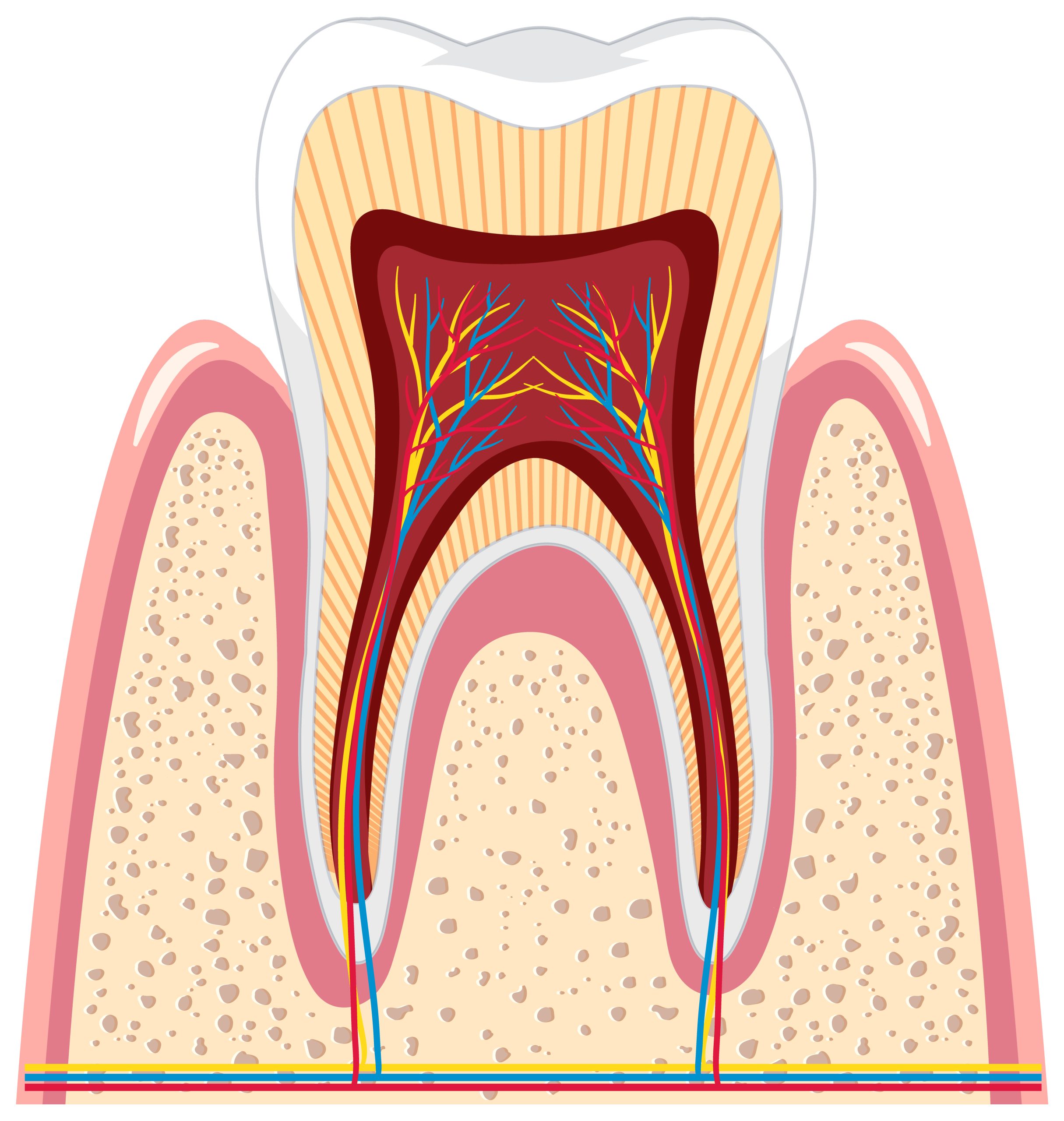
Gum disease, also known as periodontitis or gingivitis, is a bacterial infection that affects the gums and supporting structures of teeth. It starts with plaque buildup on the teeth, which leads to inflammation in the gums. If left untreated, gum disease can progress and cause damage to the bone structure that supports your teeth.
The early stage of gum disease is called gingivitis. Symptoms include redness and swelling of the gums, bleeding when brushing or flossing, bad breath or taste in your mouth. Gingivitis can be reversed with proper oral hygiene practices such as daily brushing and flossing.
If gingivitis progresses into periodontitis, it can lead to tooth loss as well as other health issues such as heart disease and diabetes. Periodontal treatment may involve scaling and root planing (deep cleaning), medication or surgery depending on how advanced the condition is.
Preventing gum disease involves regular dental checkups every six months for professional cleanings along with practicing good oral hygiene at home including daily brushing twice a day with fluoride toothpaste & flossing once a day!
What is Alzheimer’s Disease?
Alzheimer’s disease is a degenerative brain disorder that affects millions of people worldwide. It is the most common form of dementia, accounting for about 60-80% of all cases. Alzheimer’s disease causes a decline in cognitive function, memory loss and difficulty carrying out everyday tasks.
The exact cause of Alzheimer’s disease is still not fully understood, but it is believed to be caused by a combination of genetic, environmental and lifestyle factors. Age is also a major risk factor; the older you are, the more likely you are to develop Alzheimer’s disease.
In early stages, symptoms may include forgetting important dates or events, misplacing things or getting lost in familiar places. As the disease progresses, individuals may experience confusion and mood swings along with speech and language problems.
Currently there is no cure for Alzheimer’s Disease but treatments can help improve quality life by managing symptoms such as depression and anxiety associated with this condition.
The Connection Between Gum Disease and Alzheimer’s
Gum disease and Alzheimer’s disease may seem like they have nothing in common, but research has shown that there is actually a strong connection between the two. Gum disease, also known as periodontal disease, is an inflammatory condition caused by bacteria that affects the tissues surrounding your teeth. On the other hand, Alzheimer’s is a neurodegenerative disorder that causes progressive cognitive decline.
Studies have found that people with gum disease are more likely to develop Alzheimer’s than those without it. This could be because the bacteria associated with gum disease can enter your bloodstream and travel to your brain, causing inflammation and damage to nerve cells. In addition to this, chronic inflammation caused by gum disease has been linked to several other health issues including heart disease and diabetes.
It’s important to note that while there is a link between gum disease and Alzheimer’s, having one doesn’t necessarily mean you will develop the other. However, taking care of your oral health through regular brushing and flossing can help reduce your risk of developing not only gum disease but potentially Alzheimer’s as well.
Maintaining good oral hygiene habits can have far-reaching benefits beyond just keeping your mouth healthy. By preventing or treating gum disease early on, you may also be reducing your risk for other serious health issues such as Alzheimer’s down the line. So take care of those pearly whites- it might just save you from more than cavities!
How to Prevent Gum Disease
Preventing gum disease is relatively easy and can save you from experiencing the discomfort of inflamed gums or even tooth loss. One way to prevent gum disease is by practicing good oral hygiene habits, including brushing your teeth twice a day with fluoride toothpaste, flossing daily, and using mouthwash.
It’s also important to maintain a healthy diet that’s rich in vitamins and minerals that help strengthen your teeth and gums. Foods high in sugar should be avoided as they promote bacterial growth in the mouth that can lead to plaque buildup.
Regular dental checkups are essential for maintaining good oral health. Your dentist will be able to detect any early signs of gum disease before it becomes more severe. If you smoke, quitting smoking is one of the best things you can do for your overall health as well as your dental health.
Stress management techniques such as meditation or exercise may also help prevent gum disease since stress has been linked to an increased risk of developing periodontal problems. By following these simple tips, you’ll pave the way for better oral health!
Conclusion
The connection between gum disease and Alzheimer’s is becoming more apparent as research continues to shed light on the link between oral health and cognitive decline. While there is still much to learn about this relationship, it is clear that taking care of your teeth and gums can have a positive impact on your overall health.
By practicing good oral hygiene habits such as brushing twice a day, flossing daily, avoiding tobacco products, and visiting your dentist regularly for check-ups, you can significantly reduce your risk of developing gum disease. This not only benefits your dental health but may also help protect against Alzheimer’s disease later in life.
So take care of those pearly whites – your brain will thank you for it!





