


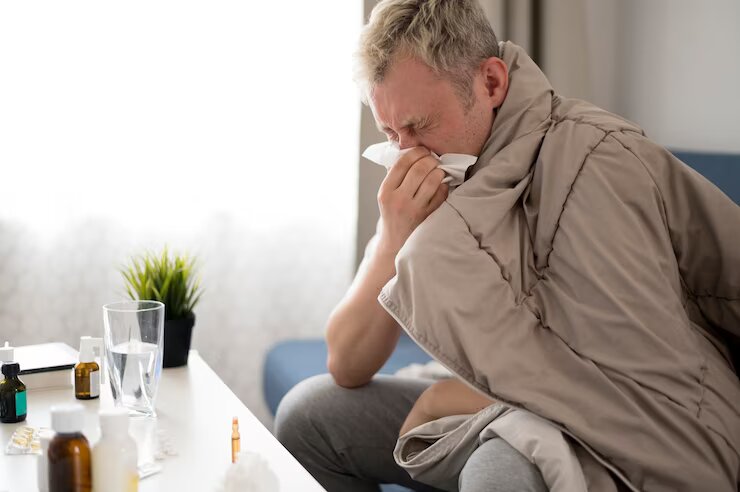

The Good News About Long-Covid: Symptoms Are on the Decline
- health
- March 22, 2023
- No Comment
- 19
Are you one of the many people who have been struggling with lingering symptoms from COVID-19? If so, there is some good news on the horizon. Recent research has shown that long-COVID symptoms are starting to decline in many patients, giving hope that a full recovery may be possible for those affected. In this blog post, we will explore this new development and what it means for those dealing with long-term effects of COVID-19. So put down your worries and grab a cup of coffee – let’s dive into some positive news!
What is long-covid?
Although the long-term effects of Covid-19 are still unknown, the good news is that symptoms are on the decline. For those who have been suffering from long-covid, this is a welcome relief.
Covid-19 is a novel coronavirus that was first identified in 2019. The virus has caused a worldwide pandemic of respiratory illness, with over 100 million confirmed cases and 2 million deaths. Symptoms of Covid-19 range from mild to severe, and can include fever, cough, and shortness of breath. In some cases, people have also reported fatigue, body aches, headache, loss of taste or smell, and diarrhea.
While most people recover from Covid-19 within a few weeks, some people continue to experience symptoms for months after infection. This has been dubbed “long-covid”. The exact prevalence of long-covid is unknown, but it is thought to affect a small percentage of people who contract Covid-19.
Symptoms of long-covid can vary widely from person to person. However, the most common symptom is fatigue. Other common symptoms include brain fog, difficulty sleeping, anxiety, depression, and chest pain. Some people also report joint pain, digestive issues, and headaches.
While there is no cure for long-covid at this time, many people find that their symptoms improve over time with rest and self-care
Symptoms of long-covid
According to a new study, the symptoms of long-covid are on the decline. This is good news for the millions of people who have been affected by the virus.
The study, which was conducted by researchers at the University of Oxford, looked at data from over 1,200 patients who had been diagnosed with long-covid. The results showed that the majority of patients experienced a decrease in symptoms over time.
Of those who were studied, only 5% reported that their symptoms were getting worse. This is a significant decrease from previous studies which found that 20-30% of long-covid patients experienced worsening symptoms.
The most common symptoms of long-covid include fatigue, muscle pain, brain fog, and anxiety. However, the severity of these symptoms can vary from person to person. Some people may only experience mild symptoms while others may have more severe reactions.
The good news is that as more research is conducted on long-covid, treatments and therapies are becoming available that can help improve the quality of life for those affected by the virus. If you or someone you know is struggling with long-covid, there is help available.
The good news about long-covid
Though the novel coronavirus continues to spread throughout communities across the globe, there is some good news to be had. In recent months, scientists and medical professionals have learned more about the virus and its effects on the human body. One of the most significant findings is that for many people, the symptoms of long-covid (also known as post-acute covid-19) are on the decline.
This is welcome news for the estimated 60-80% of covid-19 patients who experience lingering symptoms after recovery from the acute phase of the illness. For these individuals, long-covid can be a frustrating and debilitating experience. However, recent data suggests that for most people, symptoms improve significantly over time.
In one study of nearly 1,000 long-covid patients in the UK, two thirds reported feeling better after 12 weeks. This is in line with other studies that have found a similar decline in symptom severity over time. While it’s still not clear why this improvement occurs, it offers hope to those struggling with long-covid that their condition will eventually improve.
If you or someone you know is struggling with long-covid, it’s important to remember that help is available. There are many online resources and support groups that can offer information and advice. Additionally, your doctor can help you manage your symptoms and connect you with other resources if needed. With time and support, most
How to cope with long-covid
It’s been almost a year since the pandemic started and many people are still feeling the effects of Covid-19. Long-covid is a term used to describe the symptoms that linger after the initial infection has passed. These symptoms can include fatigue, brain fog, anxiety, and difficulty breathing. While long-covid can be frustrating and debilitating, there is some good news. Studies are showing that the majority of long-covid sufferers are seeing an improvement in their symptoms over time.
If you’re struggling with long-covid, here are some things that may help you cope:
1. Get plenty of rest: Fatigue is one of the most common symptoms of long-covid. Make sure to get enough sleep and take breaks during the day if you need to.
2. Exercise: Exercise can help improve your energy levels and boost your mood. Even if you can’t do much at first, start with some gentle stretching or walking and build up from there.
3. Eat healthy: Eating nutritious foods will help your body recover from the virus and fight off any lingering effects. Make sure to get plenty of fruits, vegetables, and protein in your diet.
4. Take it one day at a time: Don’t try to do too much too soon – this will only make your symptoms worse. Pace yourself and listen to your body – it will
Conclusion
We can all take some comfort in the news that long Covid symptoms are gradually declining. This suggests that with time, our bodies may be able to heal from the virus and its effects on our health. However, as with any medical condition, it is important to seek advice from your doctor if you experience persistent or worsening symptoms. Hopefully this research will help provide more clarity when it comes to managing long Covid cases in the future so that we can best support those affected by this difficult illness.





