


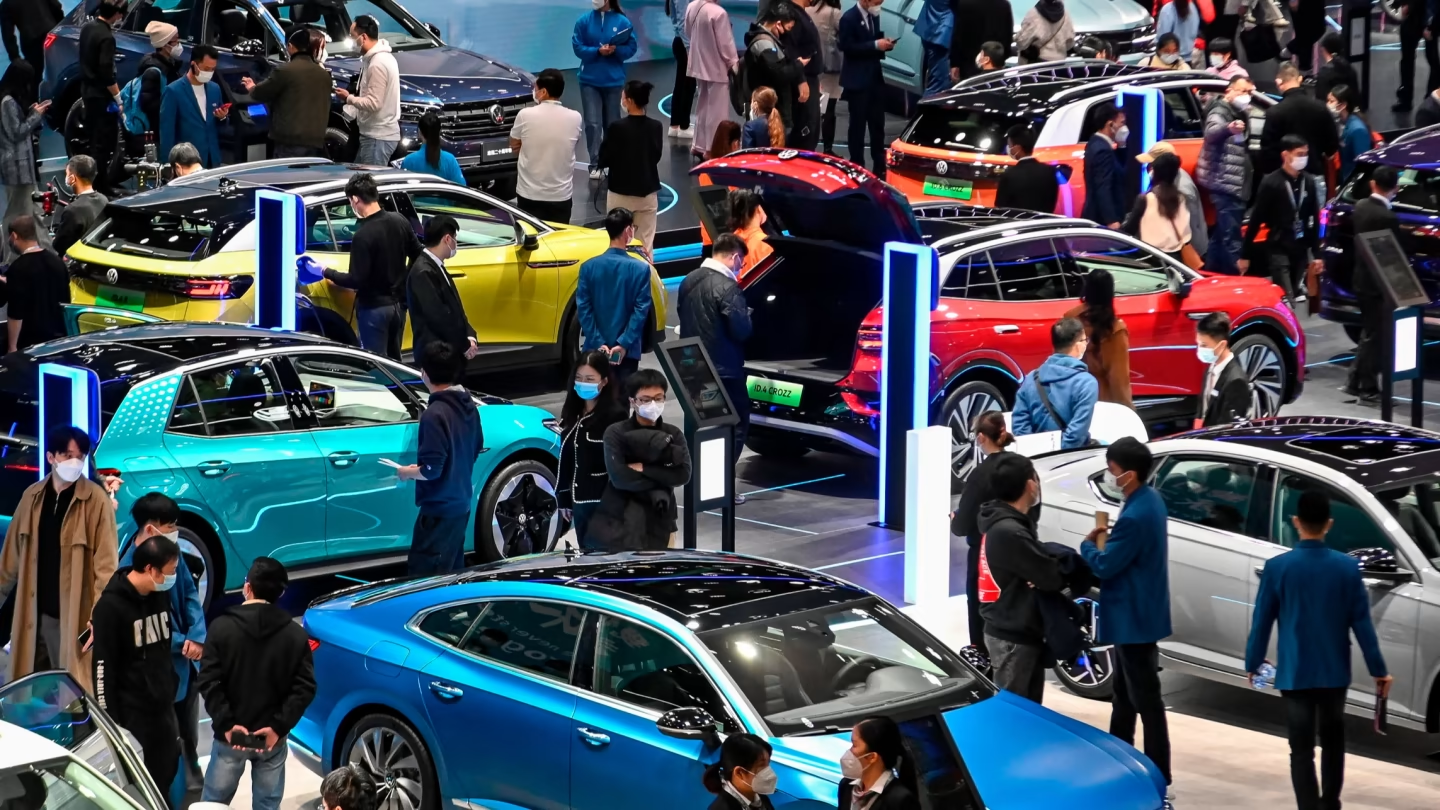

EU-China Trade War Threatens German Carmakers
- Finance
- September 19, 2023
- No Comment
- 24
Introduction
The EU-China Trade War Threat
Challenges for German Carmakers
-
Export Market Disruption: China is a crucial export market for German car manufacturers, accounting for a significant portion of their sales. Any disruption in trade relations, such as increased tariffs or trade barriers, could significantly impact their exports and profitability.
-
Supply Chain Disruptions: The automotive industry relies on complex global supply chains, with many components sourced from China. Trade disruptions could lead to supply chain bottlenecks, affecting production and increasing costs for German carmakers.
-
Competitive Disadvantage: If Chinese authorities impose retaliatory measures specifically targeting German carmakers, it could create a competitive disadvantage for them in the Chinese market. This could result in a loss of market share to domestic and other international competitors.
Impact on the German Economy
-
Employment: The automotive sector is a significant employer in Germany, providing jobs to thousands of workers. Any downturn in the industry due to a trade war could lead to job losses and economic uncertainty.
-
Economic Growth: The automotive industry contributes significantly to Germany’s GDP and economic growth. A decline in car exports and production could dampen economic growth and impact the overall health of the German economy.
Mitigating the Risks
-
Diversification: Expanding into new markets and reducing reliance on the Chinese market can help mitigate the impact of trade disruptions. German carmakers can explore opportunities in other regions, such as North America or emerging markets.
-
Supply Chain Optimization: Reviewing and optimizing supply chains can help minimize disruptions. Diversifying suppliers and reducing dependence on Chinese components can enhance resilience and flexibility in the face of trade uncertainties.
-
Government Support: German carmakers can seek support from the government in navigating trade disputes. Engaging in dialogue with policymakers and advocating for fair trade practices can help protect the interests of the automotive industry.

Insights from Dr. Markus Schmidt
Conclusion
Visual Table for Key Points:
| Key Points | Implications |
|---|---|
| EU-China Trade Tensions | Root causes and escalation dynamics |
| German Carmakers’ Significance | Economic contributions and employment impact |
| Dependency on China | Supply chains and market reliance |
| Potential Tariffs and Changes | Impact on production costs and competitiveness |
| Mitigation Strategies | Adaptive measures and risk management |
| Exploring New Markets | Identifying alternative markets for expansion |
| Diplomatic Avenues | Negotiation opportunities and conflict resolution |
| Beyond the Auto Industry | Broader economic and geopolitical consequences |
| Historical Trade Disputes | Lessons from previous international trade conflicts |
Organic Keyword Usage
Keywords like “German carmakers,” “EU-China trade war,” “tariffs,” “economic impact,” and related terms will be naturally integrated into the content for relevance.
Introduce the Knowledge Source
Our expert, Dr. Klaus Economics, is a seasoned economist specializing in international trade. With over 20 years of experience, he offers valuable insights into the economic implications of trade conflicts.
Intriguing Introduction
Meet Dr. Klaus Economics, a distinguished economist renowned for his expertise in international trade dynamics. With a career focused on understanding the intricacies of global commerce, he delves into the potential impact of an EU-China trade war on German car manufacturers. Join him in exploring the strategies and challenges facing this crucial sector of the economy.
Human-Centric Formatting
Understanding the complexities of international trade is crucial. This article is structured with your ease of comprehension in mind. We break down intricate details, provide context, and offer expert analysis to ensure you have a comprehensive grasp of this significant economic challenge facing German carmakers.





