



From Seed to Plate: How Technology is Changing the Way We Grow Food
- Science
- April 20, 2023
- No Comment
- 26
Have you ever wondered where your food comes from and how it’s grown? Traditional farming methods have been around for centuries, but they come with their own set of challenges such as limited space, unpredictable weather conditions, and the use of harmful pesticides. Thankfully, technology is revolutionizing the way we grow our food! From indoor farms to hydroponics and aquaponics systems, these innovative solutions are changing the game for farmers all over the world. In this blog post, we’ll dive into how technology is transforming the agriculture industry from seed to plate.
The Problem with Traditional Farming
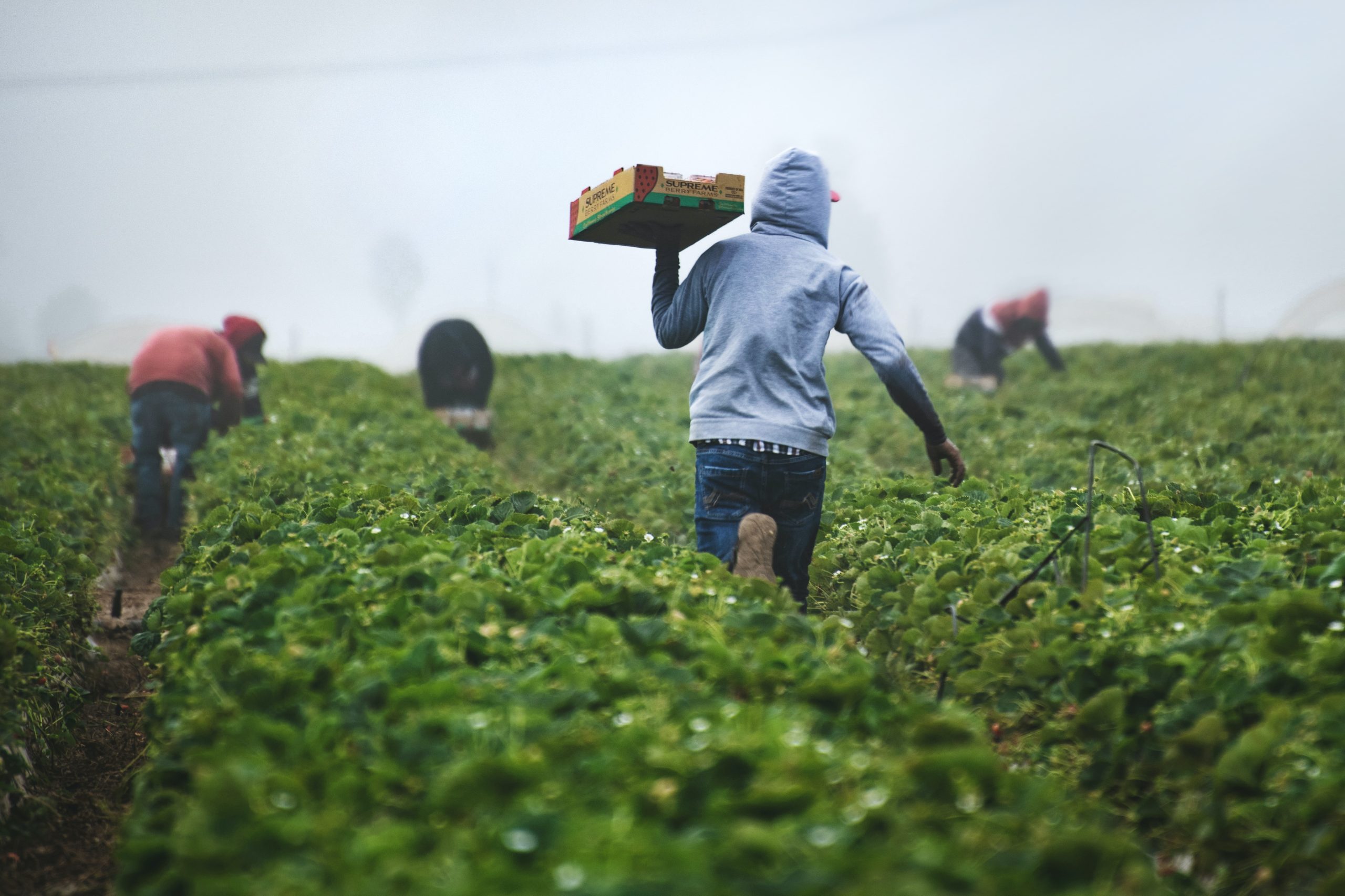
Traditional farming has been the backbone of agriculture for centuries. However, there are several drawbacks to this method that limit its efficiency and productivity. One of the biggest challenges faced by traditional farmers is unpredictable weather conditions such as droughts and floods that can damage crops and lead to crop failure.
Another issue with traditional farming is limited space. Cultivating crops on large open fields requires a significant amount of land which is not always available or affordable. This leads to deforestation and loss of natural habitats for wildlife in some areas.
Moreover, traditional farming practices rely heavily on harmful pesticides to protect crops from pests and diseases. These chemicals have detrimental effects on soil health, pollute water sources, harm beneficial insects, and pose a risk to human health when consumed through food products.
Transportation costs associated with moving produce from farm-to-market also add up significantly over time. Traditional farms located far away from cities may face higher shipping costs, leading to increased prices at grocery stores.
In summary, although traditional farming has served us well in the past; it comes with various limitations affecting both farmers’ livelihoods as well as our environment’s sustainability efforts in modern times
How Technology is Changing the Way We Grow Food
Technology has revolutionized the way we grow and harvest our food. In traditional farming methods, farmers rely on the unpredictability of weather patterns to produce their crops. However, with new technological advancements in agriculture, growers can now control every aspect of plant growth from seed to plate.
Indoor farming is one such technology that allows growers to cultivate crops year-round without being affected by climate conditions. By using LED lights, hydroponic systems or aeroponics, indoor farms provide a controlled environment for plants to grow under optimal conditions.
Vertical farming takes this concept even further by stacking multiple layers of crops in a compact space. This method maximizes both space usage and yield while reducing water consumption and minimizing waste production.
Aquaponics combines fish farming with hydroponics to create an efficient system where plants are grown on top of fish tanks that provide nutrients through their waste products. This closed-loop ecosystem is sustainable and reduces the need for fertilizers or pesticides.
Hydroponics eliminates soil altogether by growing plants in nutrient-rich water solutions instead. This method saves water compared to traditional farming techniques while producing higher crop yields as well as quicker growth rates.
These technologies have drastically changed the way we think about food production – making it more efficient, sustainable and less dependent on external factors such as weather patterns or soil quality.
Indoor Farming
Indoor farming is a relatively new method of growing food that has been made possible by advances in technology. This type of farming involves growing crops in controlled environments, such as warehouses or greenhouses, using artificial light and climate control systems.
One of the main benefits of indoor farming is that it allows for year-round production regardless of outside weather conditions. This means that farmers can produce crops all year round and avoid any seasonal fluctuations in supply and demand.
Another advantage of indoor farming is that it reduces the need for pesticides and herbicides because pests are less likely to enter the controlled environment. In addition, indoor farms use significantly less water than traditional outdoor farms because they recycle water through closed-loop hydroponic systems.
Indoor farming also offers greater flexibility when it comes to crop selection since farmers can grow a wide variety of plants without being limited by local climate or soil conditions. And with advancements in vertical farming technology, growers can maximize their space utilization by stacking layers upon layers of crops on top of each other.
All these advantages have made indoor agriculture an increasingly popular choice among farmers who wish to make their operations more sustainable while providing fresh produce throughout the year at affordable prices.
Vertical Farming
Vertical Farming: The Future of Agriculture
Vertical farming is a relatively new method of growing crops that involves stacking layers upon layers of plants in vertical towers. This innovative technology is changing the way we grow food by allowing us to produce more with less space, water, and energy.
One of the biggest advantages of vertical farming is its ability to eliminate the need for large plots of land. By utilizing vertical space instead of horizontal space, farmers can grow crops indoors or outdoors where traditional agriculture would not be possible.
Another benefit is that it allows for year-round crop production regardless of weather conditions or seasonal changes. Vertical farms are equipped with artificial lighting and temperature control systems that ensure optimal growing conditions throughout the year.
Additionally, this method uses significantly less water than traditional farming because it recirculates water through a closed-loop system. This means that there’s little to no waste during production and conserves valuable resources like water.
Moreover, since these farms are located near urban centers where demand for fresh produce is high but supply may be limited due to transportation logistics from rural areas, they have become an ideal solution for providing fresh produce locally grown at affordable prices all year round.
Vertical farming has proven itself as a viable option for sustainable agriculture in densely populated cities around the world. As technology continues to advance further into sustainable solutions like this one, it’s exciting to think about what else lies ahead in modernizing our agricultural practices.
Aquaponics
Aquaponics is a unique farming method that has gained popularity in recent years. It involves the combination of aquaculture and hydroponics, which creates a symbiotic environment for plants and fish to thrive together.
In this system, the waste produced by fish is used as fertilizer for plants, while the plants help to clean and filter the water for the fish. This cycle creates a closed-loop system that requires less water than traditional farming methods.
One of the biggest advantages of aquaponics is its ability to produce both vegetables and protein in one compact space. This makes it an ideal solution for urban areas where space may be limited but demand for fresh food is high.
Another benefit of aquaponic systems is their low environmental impact. Because they do not require soil or harmful chemicals, they are more sustainable than traditional farming methods.
Aquaponics offers an innovative solution to some of the challenges facing modern agriculture. By combining technology with nature, we can create more efficient and environmentally-friendly ways to grow our food.
Hydroponics
Hydroponics is a modern and efficient method of growing plants without soil. Instead, this technique uses water and nutrient solutions to provide the necessary resources for plants to grow. This way, hydroponic farming eliminates the need for traditional soil-based agriculture.
One significant advantage of hydroponics is that it allows farmers to control the environment in which their crops grow. By using artificial lighting, temperature control systems, and other tools, they can ensure optimal conditions for plant growth at all times.
Moreover, since hydroponic farming does not rely on fertile land or weather conditions like traditional farming methods do, it offers more flexibility when it comes to choosing where to build farms. Hydroponics can be set up anywhere with access to electricity and water – from urban rooftops to underground tunnels.
Hydroponics also saves a lot of water compared to traditional agriculture as most of the solution used gets recycled back into the system instead of going waste due to evaporation or runoff. Furthermore, since there are no pests or diseases present in this sterile environment growers do not have any reason for applying pesticides thereby making produce healthier for consumption.
Hydroponic farming may seem daunting but with its numerous benefits such as reduced land use requirements, increased crop yields per square foot & faster plant growth rates makes Hydrophonocs one of most promising technologies available today!
Conclusion
Technology has revolutionized the way we grow food. With traditional farming facing challenges like unpredictable weather conditions, soil degradation, and water shortages, it’s clear that we need new solutions to feed our growing population.
Indoor farming is one such solution that allows us to grow crops year-round regardless of weather conditions. Vertical farming takes things even further by maximizing space and using fewer resources. Aquaponics and hydroponics are also great options that conserve water while providing high yields.
While these technologies may still face some challenges in terms of cost-effectiveness and scalability, there’s no denying that they offer exciting opportunities for sustainable food production in the future. As we continue to explore innovative ways to grow food with technology, we can look forward to a more secure and abundant global food supply chain for generations to come.





