


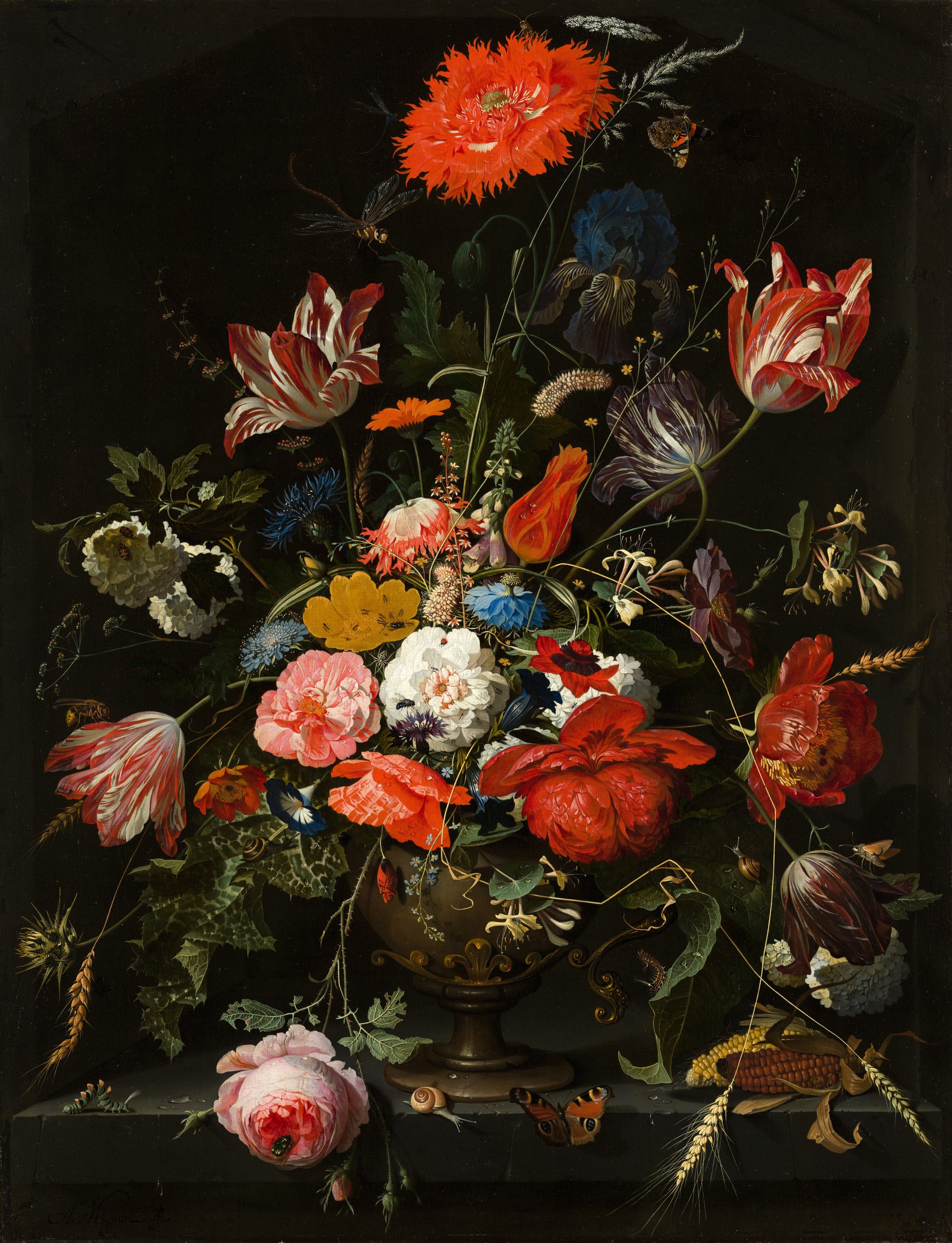

From Petals to Pigments: Immersing in the Exquisite Realm of Artful Flora
- Art /Entertainment
- May 24, 2023
- No Comment
- 23
Subheading: The Timeless Beauty of Floral Art
Flowers have captivated humanity for centuries with their exquisite colors, delicate shapes, and intoxicating fragrances. These natural wonders have inspired artists throughout history, giving birth to a genre of art that celebrates their timeless beauty. Floral art transports us into a realm where petals become pigments, and nature’s ephemeral treasures are immortalized on canvas. In this article, we delve into the captivating world of artful flora, exploring the evolution of this genre and its enduring appeal.
Subheading: From Traditional to Contemporary: A Blossoming Artistic Journey
Floral art has a rich history that can be traced back to ancient civilizations. In ancient Egypt, floral motifs adorned murals and decorative objects, symbolizing regeneration and the cycle of life. In classical Greek and Roman art, floral wreaths and garlands were intertwined with depictions of gods and goddesses, embodying beauty and fertility.
During the Renaissance, floral art experienced a renaissance of its own. Artists such as Leonardo da Vinci and Albrecht Dürer meticulously studied and depicted botanical specimens, capturing their intricate details with astonishing accuracy. These botanical illustrations not only served as scientific documentation but also as works of art in their own right.
As artistic movements evolved, so did floral art. In the 17th century, Dutch still-life painters like Jan van Huysum and Rachel Ruysch created sumptuous compositions featuring vibrant bouquets. These intricate arrangements showcased the artists’ technical skill and mastery of color, while also conveying symbolic messages related to mortality, wealth, and the fleeting nature of life.
Fast-forward to the 20th and 21st centuries, and floral art has taken on new forms and interpretations. From the bold, vibrant blooms of Georgia O’Keeffe to the dreamlike floral landscapes of Frida Kahlo, artists have used flowers as a means of personal expression and symbolism. Contemporary artists continue to push boundaries, experimenting with unconventional materials, abstract forms, and multimedia installations, redefining what floral art can be.
Subheading: Immersion and Appreciation: Engaging with Floral Art
Floral art offers a multisensory experience, engaging our sight, smell, and even touch. When we encounter a floral artwork, we are invited to immerse ourselves in its beauty, allowing it to evoke emotions, memories, and a deeper connection with nature.
Visiting art exhibitions dedicated to floral art is a captivating experience. The carefully curated displays showcase a wide range of styles, from realistic representations to abstract interpretations. The mastery of color, light, and composition in these artworks can transport us to idyllic gardens, inviting contemplation and reflection.
Engaging with floral art can also extend beyond the physical realm. In the digital age, artists and art institutions have embraced technology to bring the beauty of floral art to a wider audience. Virtual galleries, online exhibitions, and social media platforms enable art enthusiasts to explore and appreciate floral artworks from the comfort of their homes, fostering a global community of admirers.
Subheading: Beyond Aesthetics: Symbolism and Cultural Significance
Flowers have long been associated with symbolism and cultural significance. In different societies, specific flowers hold particular meanings and convey messages without the need for words. The rose, for instance, universally represents love and passion, while the lotus symbolizes purity and enlightenment in various Asian cultures.
Floral art draws upon these symbolic associations, adding layers of meaning to the visual representation of flowers. Artists often incorporate flowers into narratives, using them to convey emotions, explore themes of life and death, or comment on societal issues. The juxtaposition of different flowers or the inclusion of other elements, such as insects or





