



The Evolution of Internet Technology: From Dial-Up to Fiber Optics
- Internet and Telecom
- March 13, 2023
- No Comment
- 27
The internet has revolutionized the way we live, work and interact with one another. But have you ever stopped to think about how this technology has evolved over time? From the days of dial-up connections that took forever to load a single webpage, to lightning-fast fiber optic networks that bring us streaming videos in high definition, the journey of internet technology is nothing short of fascinating. So join us on this exciting ride as we explore the evolution of internet technology from its humble beginnings to modern-day marvels!
Dial-Up Internet
In the early days of the internet, dial-up was the only option for many people. This technology uses a regular phone line to connect to the internet. Dial-up was slow and unreliable, but it was better than nothing.
As time went on, broadband technologies like DSL and cable became available. These technologies are much faster than dial-up and offer a more reliable connection.
Today, the fastest internet connections come from fiber optic cables. Fiber optic cables can carry data at incredibly high speeds, making them perfect for things like streaming video and gaming.
Broadband Internet
The internet has come a long way since its early days of dial-up connections. In the 1980s, the first broadband internet connection was introduced. This allowed for much faster speeds and a more reliable connection than dial-up. Broadband became more widely available in the 1990s, and by the 2000s, it was the most common type of internet connection.
Today, there are many different types of broadband internet available, from cable to fiber optics. Fiber optic broadband is the fastest type of broadband, and it is becoming more widely available as technology advances.
Fiber Optic Internet
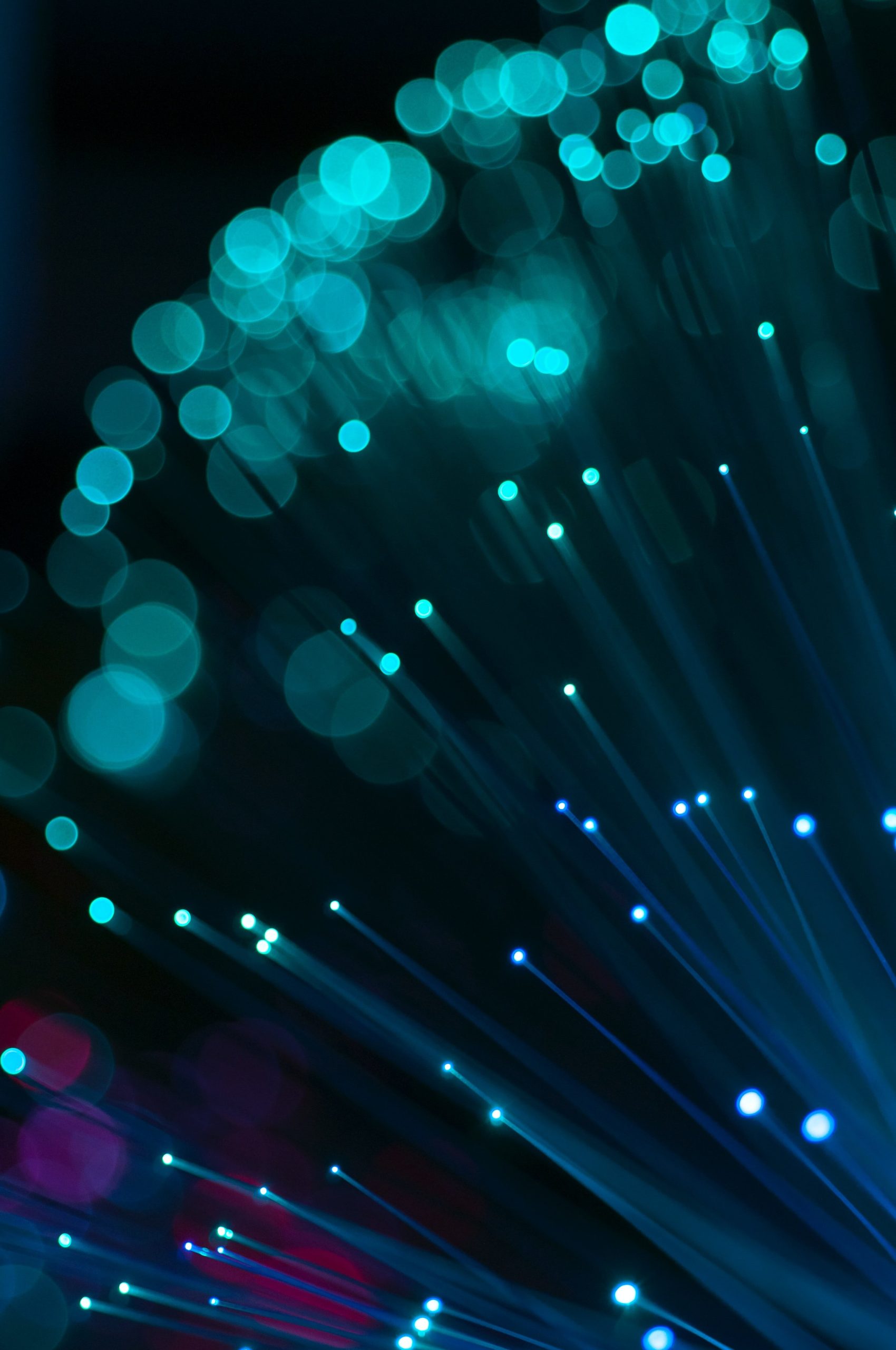
Fiber optic internet is the latest and greatest in internet technology. fiber optic cables are able to transmit data at incredibly fast speeds, making it possible to stream HD video and download large files in a matter of seconds. Fiber optic internet is also more reliable than other types of internet, meaning that you can count on a consistent connection.
Wireless Internet
Wireless internet, also known as Wi-Fi, is a type of internet connection that uses radio waves to connect devices to the internet. Wi-Fi can be used in a variety of settings, including homes, businesses, and public spaces.
One of the great things about Wi-Fi is that it’s relatively easy to set up. All you need is a router and an internet connection. Once your router is set up, you can connect any number of devices to it wirelessly.
Another benefit of Wi-Fi is that it’s very versatile. You can use it to connect laptops, smartphones, tablets, and other devices to the internet. And because Wi-Fi uses radio waves, you can even connect to the internet in places where there’s no cell phone reception.
Wi-Fi is also becoming increasingly fast. The latest generation of Wi-Fi (802.11ac) offers speeds up to three times faster than the previous generation (802.11n). So if you have a fast internet connection, you can enjoy even higher speeds with Wi-Fi.
Conclusion
We have come a long way since the days of dial-up and modem connections. The evolution of internet technology has made our lives more connected, productive, and efficient. From dial-up to fiber optics, we now enjoy faster speeds with better reliability that enables us to get more done in less time than ever before. As technology continues to progress, it will be exciting to see what new advancements are made in the world of internet connectivity!





