



Why More Americans are Embracing Mobile Payments for Convenience and Security
- Internet and Telecom
- March 14, 2023
- No Comment
- 26
Introduction
Are you still fumbling for cash or digging through your wallet to find the right card at checkout? It’s time to join the mobile payment revolution! As technology advances, more and more Americans are turning to their smartphones as a convenient and secure way to pay. Not only does it make transactions faster, but it also eliminates the need for physical contact with cards or cash – something that has become increasingly important in today’s world. In this blog post, we’ll explore why mobile payments have become so popular and how they can benefit you. So get ready to say goodbye to bulky wallets and hello to seamless transactions!
What are Mobile Payments?
Though it may seem like a relatively new concept, mobile payments have actually been around for quite some time. The first mobile payment system was launched in 1997 in Finland, and since then the technology has continued to evolve. Today, there are a variety of different ways to make payments using your mobile device, whether it’s through a dedicated app or simply by using your phone’s built-in NFC (near-field communication) chip.
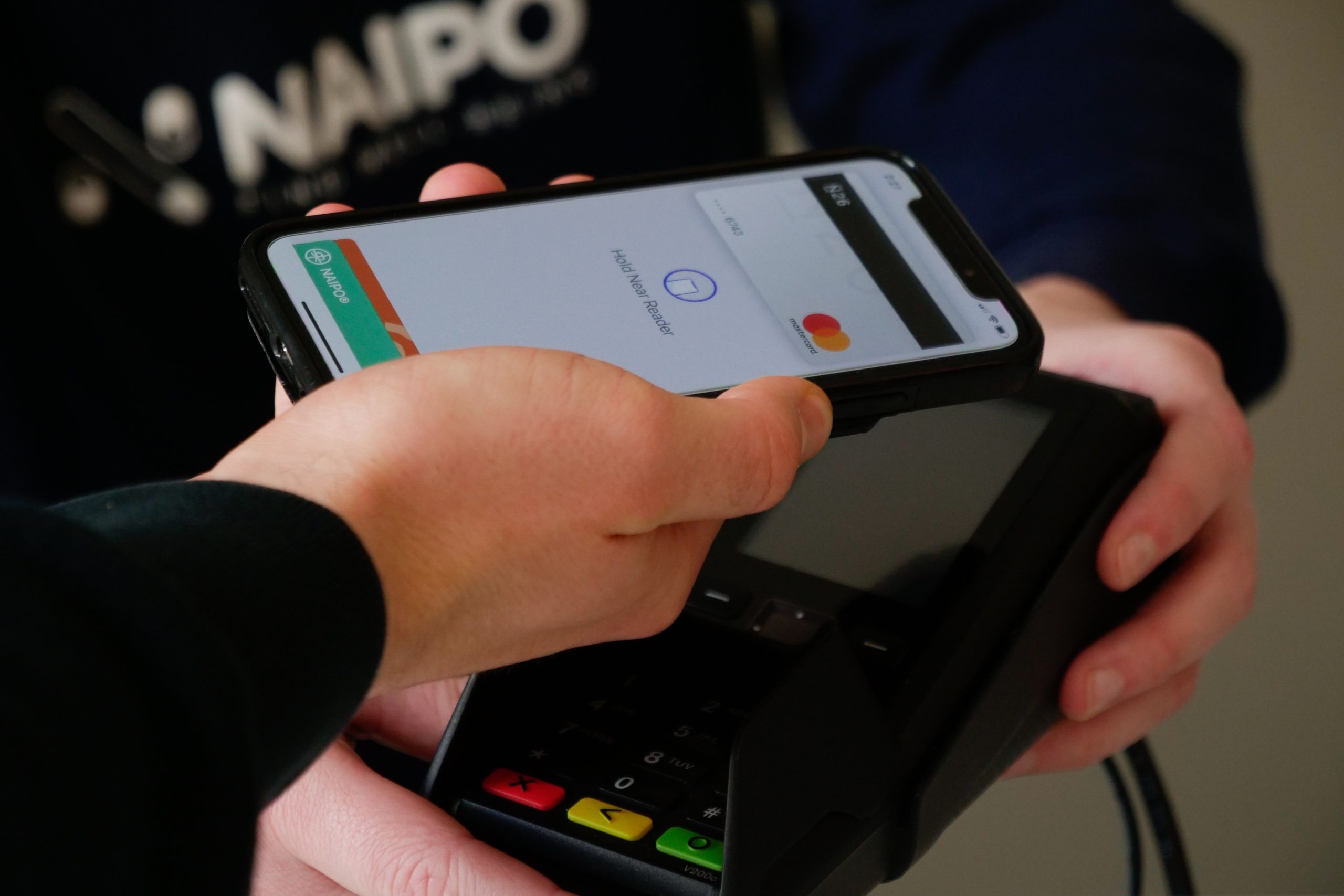
One of the biggest reasons that mobile payments have become so popular is convenience. Rather than having to fumble around for cash or a credit card, you can simply pull out your phone and tap to pay. This is especially useful if you’re making a purchase on the go, such as buying coffee or catching a ride with a service like Uber. Additionally, many people find it helpful to have all of their payment information stored in one place (on their phone) rather than carrying around multiple cards.
Another benefit of mobile payments is security. When you use a credit or debit card to make a purchase, your personal information is stored on the merchant’s servers. But when you use a mobile payment system like Apple Pay or Google Pay, your information is encrypted and stored on your device, so it’s much less likely to be compromised in the event of a data breach. Additionally, if you lose your phone, you can just disable access to your payment account rather than cancel all of your cards.
The Benefits of Mobile Payments
As the world becomes increasingly digitized, it’s no surprise that mobile payments are on the rise. Mobile payments allow users to make transactions using their smartphone or other mobile device. This convenience has made mobile payments popular among consumers and businesses alike.
There are many benefits to using mobile payments. For consumers, mobile payments offer a quick and easy way to pay for goods and services. They can also be used to send money to friends and family, or to make charitable donations. Mobile payments are also becoming increasingly secure, as new technologies are making it more difficult for criminals to commit fraud.
For businesses, mobile payments can help increase sales and improve customer satisfaction. Mobile payment systems make it easier for customers to pay, which can lead to more sales. In addition, businesses can use mobile payments to track customer spending patterns and better understand their needs.Overall, mobile payments offer a convenient and secure way to make transactions. As more people embrace this technology, we will likely see even more widespread adoption in the years to come.
The Risks of Mobile Payments
While there are many advantages to using mobile payments, there are also some risks to consider. One of the biggest risks is that your mobile device could be lost or stolen, which would give the thief access to your financial information. Another risk is that your device could be infected with malware that could allow someone to gain access to your accounts. Finally, you should be aware that mobile payment systems are not always secure, and your personal and financial information could be at risk if the system is hacked.
How to Use Mobile Payments Safely
As mobile payments become more popular, it’s important to know how to use them safely. Here are some tips:
-Only use trusted apps and websites. Make sure you’re using a secure, encrypted app or website before entering your payment information.
-Check your statements regularly. Keep an eye on your account statements after making a mobile payment to make sure the correct amount was charged and that there are no unauthorized transactions.
-Don’t store your payment information on your device. If your phone is lost or stolen, you don’t want someone to be able to access your payment information. Instead, store your information in a secure password manager or wallet app.
-Use a strong passcode on your device. This will help protect your payment information if your phone is lost or stolen.
-Be aware of scams. Don’t click on links or open attachments from people you don’t know, and be careful of fake websites that may try to trick you into entering your payment information.
Conclusion
The increasing reliance on mobile payments is a sign of the times. This method of payment is more convenient for both consumers and businesses, since it eliminates the need to carry cash or credit cards with you. Furthermore, mobile payments also offer greater security by allowing customers to keep track of their spending in real-time and offering additional layers of fraud protection. As more people embrace this technology, it’s likely that we will continue to see growth in this sector as companies look for ways to make digital transactions safer and easier than ever before.





