



Farm to Fork: Embracing Fresh and Locally Sourced Foods
- Food Drink
- May 22, 2023
- No Comment
- 23
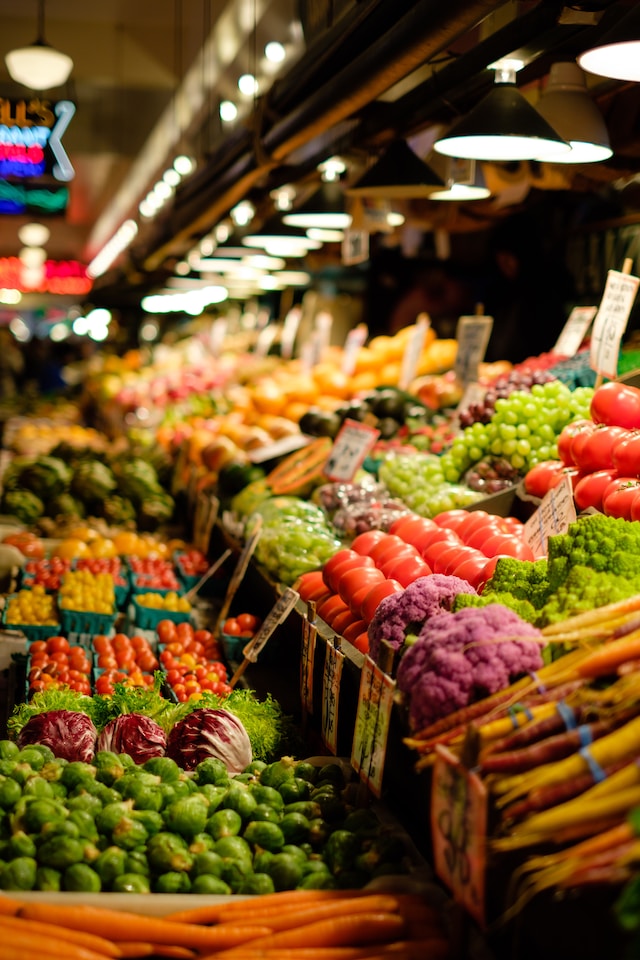
In recent years, there has been a growing movement towards embracing fresh and locally sourced foods. This movement, known as farm to fork, emphasizes the importance of supporting local farmers and businesses, reducing the environmental impact of food production, and promoting healthy and sustainable eating habits. In this article, we will explore the farm to fork movement and the ways in which it is changing the way we think about food.
The farm to fork movement is based on the idea that food should be sourced as locally as possible, with a focus on fresh, seasonal, and sustainably produced ingredients. This means supporting local farmers and businesses, and reducing the environmental impact of food production by minimizing transportation and packaging.
One of the key benefits of the farm to fork movement is the promotion of healthy and sustainable eating habits. Locally sourced foods are often fresher and more nutritious than foods that have been transported long distances, as they are picked at the peak of ripeness and do not need to be treated with preservatives to extend their shelf life.
In addition, locally sourced foods are often produced using sustainable farming practices, which can help to reduce the environmental impact of food production and promote biodiversity.
Another important benefit of the farm to fork movement is the support it provides to local farmers and businesses. By purchasing locally sourced foods, consumers can help to support small-scale farmers and businesses, and promote economic development in their communities.
In addition, by supporting local farmers and businesses, consumers can help to preserve traditional farming practices and promote food security in their communities.
One of the most exciting developments in the world of the farm to fork movement is the emphasis on using heirloom and heritage varieties of fruits and vegetables. Heirloom and heritage varieties are older, non-hybridized varieties of fruits and vegetables that have been passed down through generations of farmers.
These varieties are often more flavorful and nutritious than modern, hybridized varieties, and can help to preserve biodiversity and promote sustainable farming practices.
In addition to fruits and vegetables, the farm to fork movement also emphasizes the importance of using locally sourced meats, dairy products, and grains. Locally sourced meats and dairy products are often produced using sustainable and humane farming practices, which can help to promote animal welfare and reduce the environmental impact of food production.
Similarly, locally sourced grains, such as wheat and corn, can help to promote sustainable farming practices and reduce the environmental impact of food production.
In conclusion, the farm to fork movement is a growing movement that emphasizes the importance of supporting local farmers and businesses, reducing the environmental impact of food production, and promoting healthy and sustainable eating habits.
By embracing fresh and locally sourced foods, we can promote good health, support local communities, and reduce the environmental impact of food production. And by using heirloom and heritage varieties of fruits and vegetables, we can preserve biodiversity and promote sustainable farming practices.
So next time you’re planning your meals, consider incorporating the principles of the farm to fork movement into your diet and embracing fresh and locally sourced foods. Your body, your community, and the environment will thank you.





