


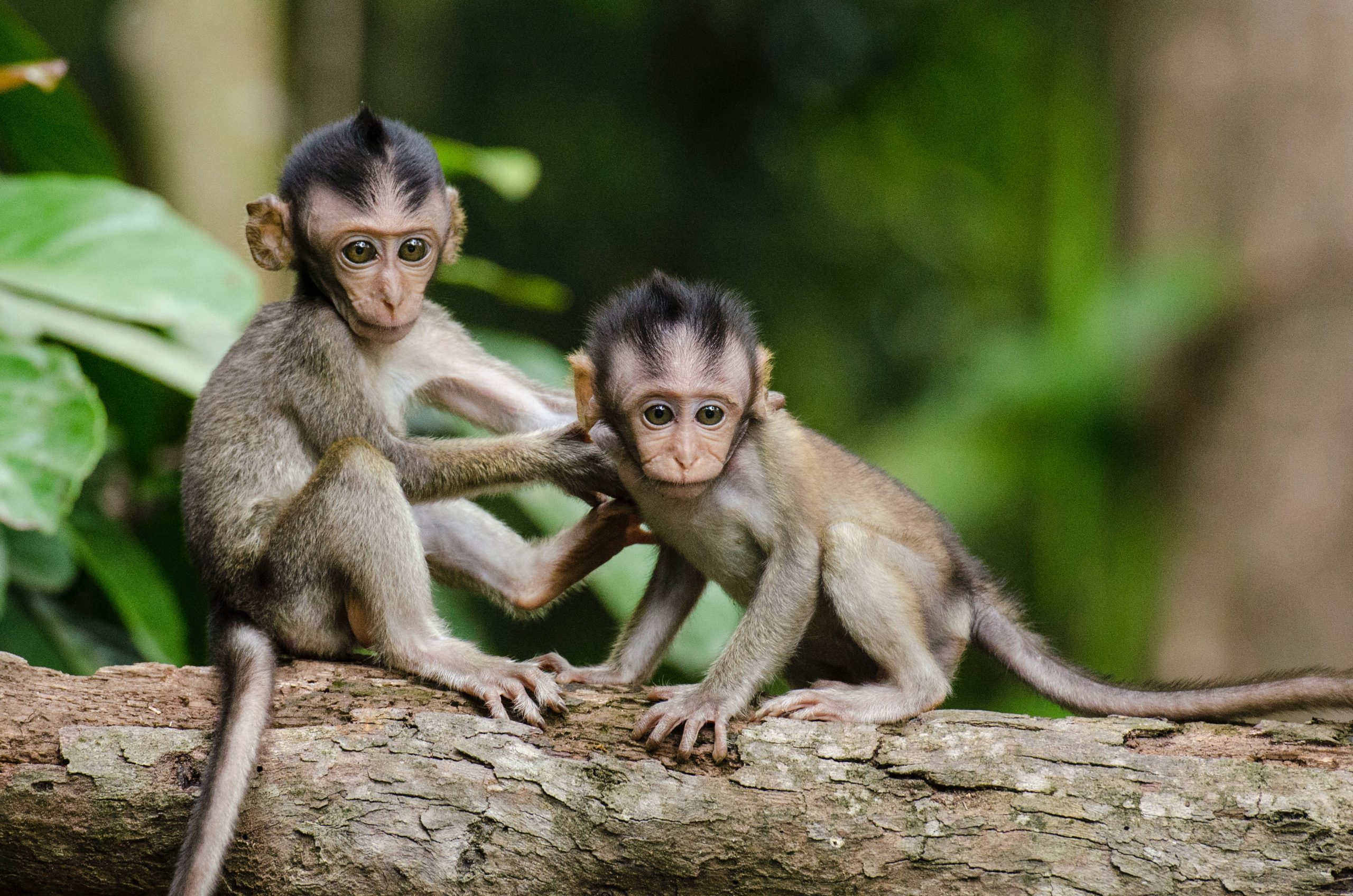

Foraging Behavior of Monkeys
- Pet and animal
- April 21, 2023
- No Comment
- 25
When we think of monkeys, we often imagine them chomping down on a banana or swinging from vines in search of fruit. While it’s true that many species of monkeys have a diet that includes fruit, they are actually incredibly diverse in their foraging behaviors and dietary preferences.
Some species of monkeys are known for their omnivorous diets, which can include everything from fruit and nuts to insects, small animals, and even other primates. For example, the capuchin monkey has been observed hunting and eating small mammals, while the mandrill has been known to consume insects and even venomous snakes.
Other species of monkeys have specialized diets that are dependent on their environment. The howler monkey, for example, is known for its preference for leaves, while the proboscis monkey feeds almost exclusively on leaves and unripe fruit. The bamboo lemur, which is not technically a monkey but is a close relative, is named for its preference for bamboo shoots.
But understanding what monkeys eat is only part of the story. How they forage for food can also provide important insights into their behavior and social structures. Some species of monkeys are known for their use of tools to access food, such as using rocks to crack open nuts or using sticks to probe for insects. Others, like the black-and-white colobus monkey, have specialized stomachs that allow them to digest tough leaves and other plant material.
Monkeys also exhibit a range of foraging behaviors that are shaped by their environment and social structure. Some species, like the gelada baboon, will graze on grasses in large groups, while others, like the squirrel monkey, will forage for insects in smaller groups. The Japanese macaque, also known as the snow monkey, is known for its habit of bathing in hot springs during the winter.
Understanding the diverse diets and foraging behaviors of monkeys can provide important insights into their biology, behavior, and ecology. It can also help us to better understand how they are impacted by habitat loss and climate change, which can alter the availability and distribution of their food sources.
As we continue to learn more about these fascinating animals, it is important that we work to protect their habitats and conserve their populations. By doing so, we can ensure that monkeys can continue to thrive and forage for their diverse diets for generations to come.





