



Why First Aid Training is Crucial for Emergency Preparedness
- health
- April 20, 2023
- No Comment
- 21
Medical emergencies can happen at any time and in any place, be it at home, work or while out and about. In such situations, having basic first aid knowledge is crucial. First aid training teaches you how to respond effectively in a medical emergency until professional help arrives. It can make all the difference between saving someone’s life or not. In this blog post, we’ll explore why first aid training is so important for emergency preparedness and the benefits of learning these essential skills. So let’s dive right in!
What is first aid?
First aid is the immediate care given to a person who has been injured or suddenly taken ill. It involves simple, yet effective techniques that can be applied in an emergency situation before professional medical help arrives.
The primary goal of first aid is to preserve life and prevent further harm. This includes assessing the situation, providing initial treatment for injuries or illnesses, and stabilizing the victim until proper medical attention can be provided.
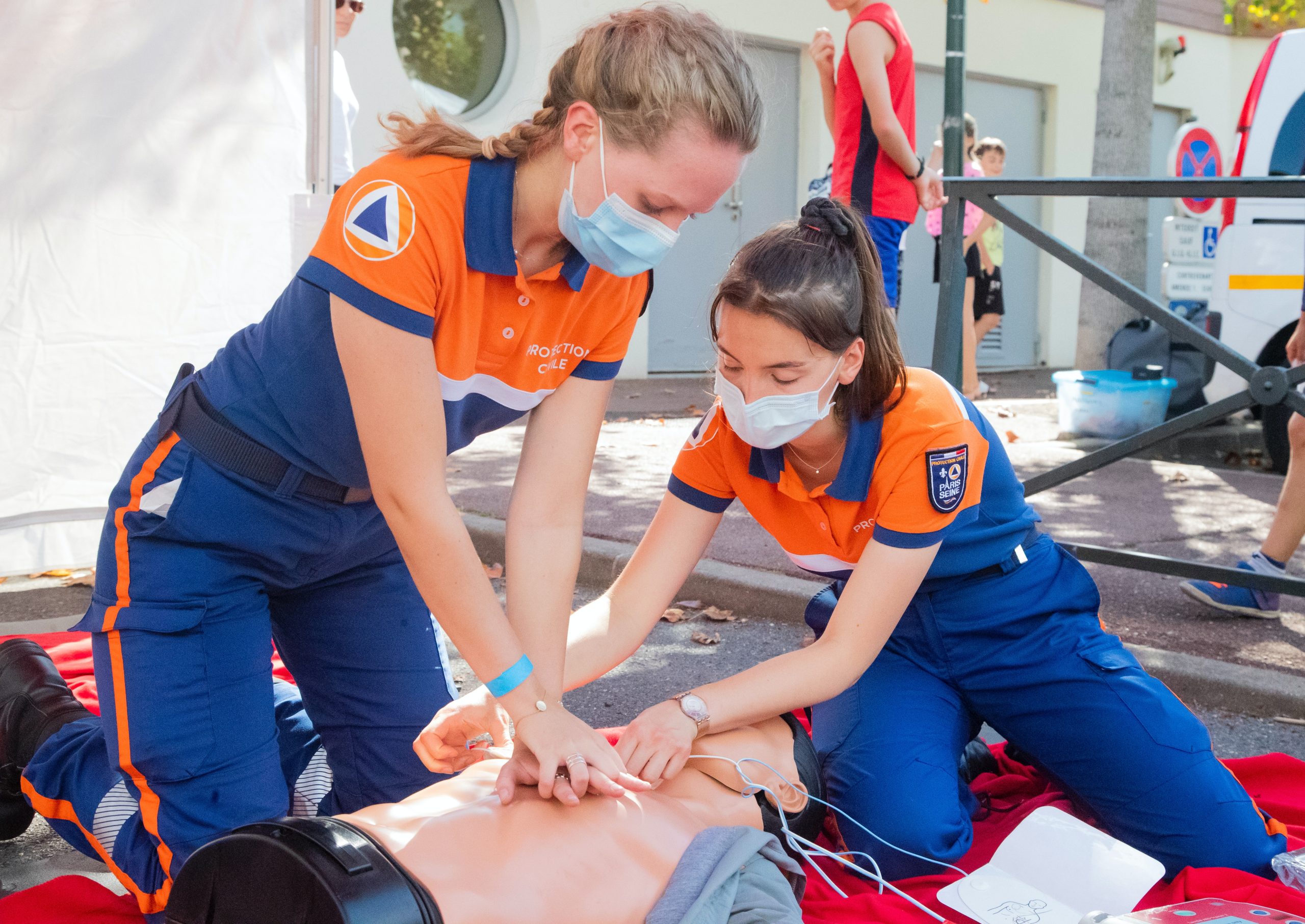
First aid covers a broad range of skills and knowledge, including how to manage bleeding, perform CPR (cardiopulmonary resuscitation), provide basic wound care, immobilize broken bones or sprains, recognize signs of shock or stroke and more.
It’s important to remember that while first aid training provides individuals with essential lifesaving skills in emergency situations. It should never replace seeking professional medical assistance when needed.
Why is first aid training crucial for emergency preparedness?
First aid training is crucial for emergency preparedness because it equips individuals with the necessary skills and knowledge to respond effectively in an emergency situation. In many cases, first aid can mean the difference between life and death.
During an emergency, time is of the essence. Knowing what to do in those critical moments can make all the difference. With proper first aid training, you’ll be able to assess a situation quickly and provide initial care until professional help arrives.
Not only does first aid training prepare you for emergencies that may happen around you, but it also helps you develop confidence in your ability to take action when needed. This newfound confidence can be passed on to others around you who may not have had any formal training.
Furthermore, being trained in first aid provides a sense of responsibility towards one’s community. You become part of a larger team that works together during difficult times rather than just being a bystander.
Investing time into learning these essential skills will ensure that you are better equipped to handle whatever life throws your way – from minor injuries such as cuts or burns to more serious incidents like heart attacks or strokes.
What are the benefits of learning first aid?
Learning first aid provides a myriad of benefits that can come in handy during emergency situations. One of the most significant advantages is that it helps you to remain calm and composed under pressure. When an emergency strikes, many people tend to panic, which makes them incapable of responding appropriately. However, with the right training in first aid procedures, you will be equipped to handle emergencies as they occur.
Another benefit of learning first aid is that it enables you to provide immediate medical assistance while waiting for professional help. In some cases, quick action taken by someone who knows first aid can make all the difference between life and death.
Moreover, knowing how to perform basic first aid procedures can save lives when accidents or injuries happen unexpectedly. You never know when an accident may strike; thus having knowledge on how best to respond means one could be able to intervene before things worsen.
Additionally ,first Aid classes also teach important safety awareness tips which are essential in preventing accidents from happening altogether . This includes safety protocols at home and work settings.
Lastly ,learning first aids helps boost your confidence levels . Knowing what actions need sot be taken during an injury or accident increases confidence levels since one feels more prepared for any eventualities .
Tips for choosing the right first aid class
When it comes to choosing a first aid class, there are some important factors to consider. First and foremost, make sure the course is accredited by a recognized organization like the American Red Cross or the American Heart Association.
Another important factor is finding a class that suits your level of experience. If you’re new to first aid, look for beginner-level courses that cover basic skills like CPR and wound care. More advanced classes may be required if you work in healthcare or have prior training.
Location and scheduling are also key considerations. Look for classes that are conveniently located and fit into your schedule without causing too much disruption to your daily routine.
Additionally, consider the instructor’s credentials and teaching style. A good instructor should have extensive knowledge of first aid techniques and be able to teach them effectively in an engaging manner.
Don’t forget about cost. While it’s important not to skimp on quality when it comes to health and safety training, there are many affordable options available if you do your research.
By taking these factors into account when choosing a first aid class, you’ll be better prepared for emergencies while also ensuring value for money spent on training courses.
Conclusion
First aid training is a crucial aspect of emergency preparedness that should not be overlooked. It equips individuals with the necessary skills and knowledge to provide timely assistance in case of an emergency or accident. Knowing how to administer first aid can make all the difference between life and death.
By taking a first aid course, you will learn valuable skills such as CPR, wound care, and management of fractures and dislocations among others. These skills are useful not just during emergencies but also in everyday life.
When choosing a first-aid class, consider factors such as cost, location, instructor qualifications and course content before making your decision. With proper training in place coupled with personal safety measures at home or workplace will help ensure that you are well-equipped to handle any medical emergency that may arise.





