


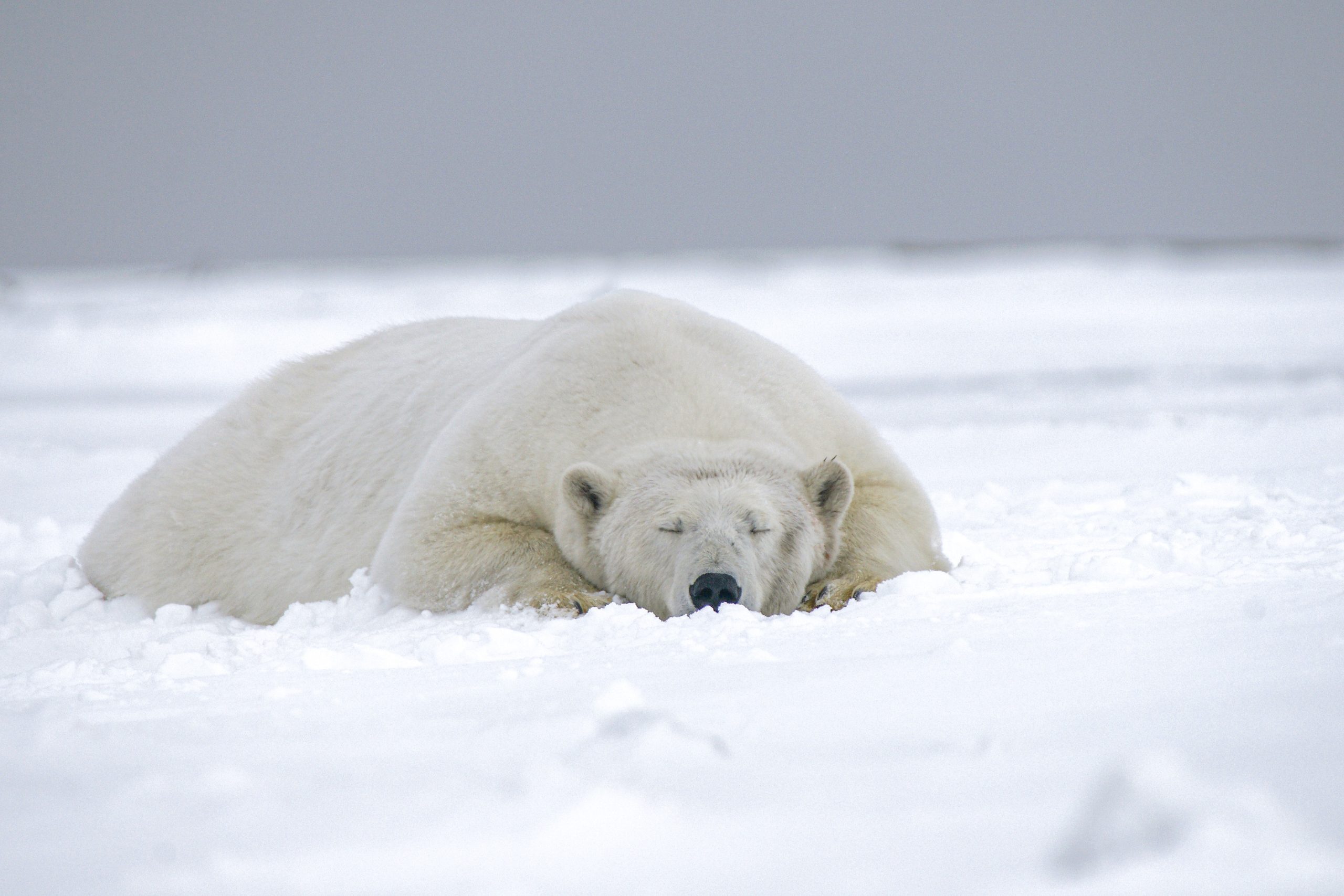

Exploring the Habitat and Behaviors of the Enigmatic Snow Bear
- Pet and animal
- April 28, 2023
- No Comment
- 22
The Arctic tundra is home to a variety of unique and fascinating creatures, but perhaps none are as enigmatic as the snow bear. Also known as the polar bear, this majestic species is renowned for its incredible strength and resilience in the face of some of the harshest conditions on Earth.
At first glance, the snow bear may seem like a simple predator, driven solely by its instincts and hunger. But a closer look reveals a complex and fascinating creature, with a range of behaviors and adaptations that allow it to thrive in its harsh and unforgiving environment.
One of the most striking things about the snow bear is its habitat. These animals are found throughout the Arctic, from Alaska and Canada to Greenland and Russia. They are perfectly adapted to life on the ice, with thick fur coats that keep them warm in the frigid temperatures, webbed feet that help them to swim in the icy waters, and sharp claws that allow them to grip the slippery surface of the ice.
But life on the ice is not easy, and the snow bear has had to adapt in a number of other ways in order to survive. For example, these animals are incredibly patient and persistent hunters, often stalking their prey for hours or even days before finally making their move. They also have an incredible sense of smell, which allows them to detect prey from miles away, even in the midst of a blizzard.
In addition to their hunting behaviors, snow bears also have a range of social and reproductive behaviors that are fascinating to observe. These animals are typically solitary, but will come together in small groups during the breeding season in order to mate. Females will then go off on their own to give birth and raise their cubs, a process that can take up to three years.
Despite their impressive adaptations and behaviors, however, snow bears are facing a number of threats in the modern world. Climate change, in particular, is having a significant impact on their habitat, as the Arctic ice continues to melt at an alarming rate. This not only affects the bears themselves, but also the other animals that they rely on for food, such as seals and fish.
Conservation efforts are underway to help protect these incredible animals, but much more needs to be done in order to ensure their survival. By learning more about the behaviors and adaptations of the snow bear, we can gain a greater appreciation for this fascinating species and the importance of protecting its habitat for generations to come.





