


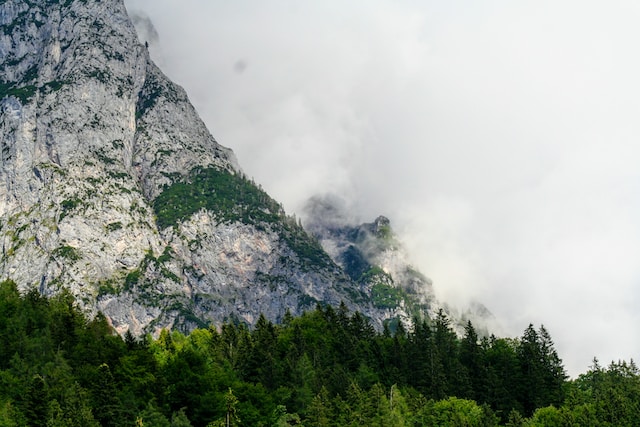

Europe’s Glaciers Disappear at Unprecedented Speed
- Science
- May 30, 2023
- No Comment
- 19
Introduction:
Europe’s iconic glaciers, once symbols of timeless beauty and natural grandeur, are vanishing before our eyes. The alarming rate at which these icy giants are melting has reached unprecedented levels, causing concern among scientists, environmentalists, and communities that rely on these glaciers for various purposes. The rapid disappearance of Europe’s glaciers demands urgent attention and collective action to address the underlying causes of this environmental crisis.
1. Accelerating Ice Loss:
European glaciers, including those found in the Alps, Scandinavia, and the Arctic, are experiencing an alarming rate of ice loss. The warming climate is the primary driver behind this accelerated melting. Rising temperatures have caused the glaciers to shrink rapidly, resulting in significant changes to the landscape and impacting the delicate ecosystems that depend on them.
2. Implications for Water Resources:
Glaciers play a vital role in regulating water supply, especially during dry seasons and in regions dependent on meltwater for irrigation, hydropower, and freshwater resources. The disappearance of Europe’s glaciers will disrupt this natural water storage and release mechanism, potentially leading to water scarcity and affecting both human populations and ecosystems.
3. Environmental Consequences:
The loss of glaciers has profound environmental consequences. These ice formations harbor unique biodiversity and provide critical habitats for a range of species, including plants, animals, and microorganisms. As glaciers shrink, these delicate ecosystems face an uncertain future, putting at risk the survival of countless species and disrupting the intricate web of life.
4. Rising Sea Levels:
The melting of European glaciers contributes to the rise in global sea levels. As glaciers lose mass, their meltwater flows into the oceans, gradually increasing the water levels along the coasts. This poses significant threats to low-lying coastal communities, infrastructure, and delicate coastal ecosystems, exacerbating the impacts of climate change.
5. Cultural and Recreational Loss:
Europe’s glaciers are not only natural wonders but also hold cultural and recreational value. They are cherished destinations for mountaineers, hikers, and winter sports enthusiasts, contributing to local economies and tourism. The disappearance of these glaciers will result in the loss of cultural heritage, recreational opportunities, and economic activities tied to glacier-based tourism.
6. Mitigation and Adaptation Strategies:
To address the unprecedented disappearance of Europe’s glaciers, concerted efforts are required at multiple levels. Mitigation measures, such as reducing greenhouse gas emissions, transitioning to renewable energy sources, and promoting sustainable practices, are crucial to tackle the root causes of climate change. Additionally, adaptation strategies, including water management plans and awareness campaigns, can help communities adapt to the changing hydrological conditions.
7. International Cooperation:
Preserving Europe’s glaciers necessitates international collaboration and cooperation. Countries must work together to develop comprehensive strategies, share scientific knowledge, and establish frameworks for monitoring and preserving glaciers across borders. International agreements, such as the Paris Agreement, play a crucial role in addressing climate change and its impact on glaciers.
8. Urgency for Action:
The disappearing glaciers in Europe are a stark reminder of the urgent need to combat climate change. The consequences of inaction are not limited to environmental concerns alone but also encompass societal, economic, and cultural aspects. Taking immediate and decisive action is essential to safeguard our glaciers, protect vulnerable communities, and ensure a sustainable future for generations to come.
Conclusion:
Europe’s glaciers are vanishing at an alarming rate, signaling the urgency to address climate change and its devastating consequences. The unprecedented speed of glacier disappearance threatens water resources, ecosystems, and coastal areas. It is imperative that individuals, communities, governments, and international bodies join forces to mitigate greenhouse gas emissions, implement adaptation measures, and preserve the invaluable natural heritage represented by Europe’s disappearing glaciers. By doing so, we can strive towards a more sustainable and resilient future for our
planet.





