


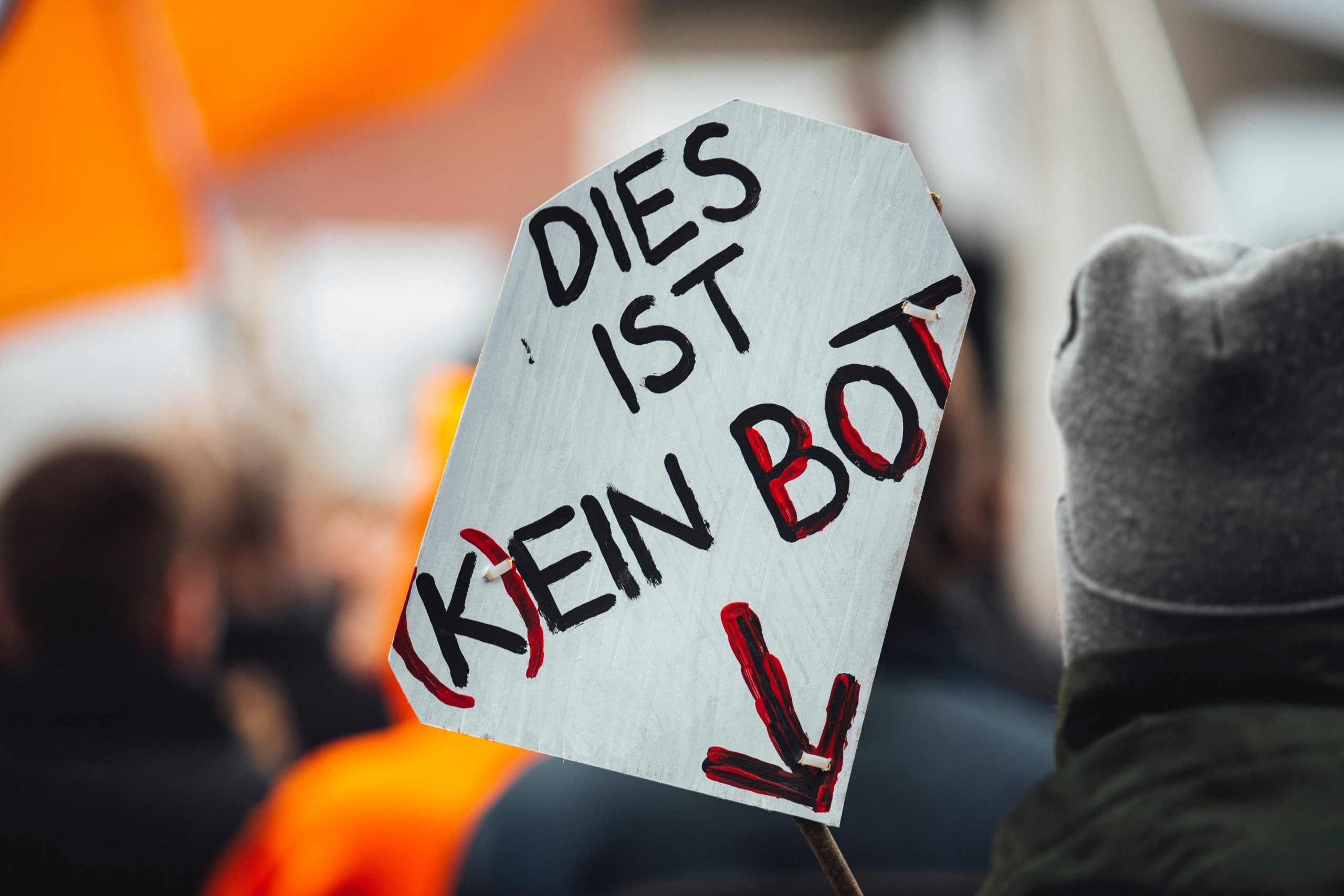

Protecting Society or Curtailing Freedom? Debating the Ethics of Internet Censorship
- Internet and Telecom
- March 15, 2023
- No Comment
- 26
Introduction
The internet has revolutionized our lives, bringing tremendous benefits such as easy access to information, communication, and entertainment. However, with these advantages come significant challenges in the form of harmful content such as hate speech, fake news, and cyberbullying. As a result, there is an ongoing debate on whether governments should censor the internet to protect society or uphold freedom of expression at all costs. In this blog post, we will explore the ethics behind internet censorship and shed light on its implications for individuals and societies alike. So let’s dive in!
The moral case for censorship
Some argue that censorship is necessary in order to protect society from the harmful effects of certain types of content. Others contend that censorship amounts to an infringement on freedom of expression. This debate is complex, and there are strong arguments on both sides.
Those who make the moral case for censorship typically focus on the harms that certain types of content can cause. For example, pornographic material has been linked to sexual violence, and some argue that it should be censored in order to protect society from this type of harm. Others point to hate speech as a form of content that can lead to real-world violence and argue that it too should be censored.
Those who oppose censorship often do so on the grounds that it violates freedom of expression, which is a fundamental human right. They argue that censoring any type of content amounts to silencing voices and stifling important dialogue. They also point out that censoring content does not always achieve the desired effect, as people will often find ways to access banned material.
The moral case against censorship
When it comes to internet censorship, there are two main camps: those who believe it is necessary to protect society, and those who believe it curtails freedom. Each side has valid arguments, but in this blog article, we’ll be taking a closer look at the moral case against censorship.
The first argument against censorship is that it violates our right to free speech. This is a fundamental human right that should not be restricted in any way. Censorship goes against the very principle of free speech, which is an essential part of a functioning democracy.
Another moral argument against censorship is that it can lead to the suppression of important ideas and knowledge. If we censor certain topics or information, we may never learn about them or be able to have an open and honest discussion about them. This could have dangerous consequences, as some censored information may be vital for our safety or well-being.
Finally, censoring content on the internet can have a chilling effect on creativity and expression. When people are afraid to express themselves freely, they are less likely to create new and innovative content. This stifles the growth of the internet as a platform for creativity and collaboration.
All in all, there are many compelling moral arguments against censorship. Censorship violates our basic rights, suppresses important ideas and knowledge, and chills creativity and expression. For these reasons, censorship is something we should strive to avoid.
A middle way? The case for limited censorship
The internet age has brought with it a new era of free speech. But as society has become more connected, the risk of online harm has also increased. In response, some governments have proposed censorship as a way to protect citizens from harmful content.
However, censorship is a complex issue with no easy answers. On one hand, it can be seen as a necessary measure to protect vulnerable people from harm. On the other hand, it can be seen as an infringement on freedom of expression.
So what is the best way forward? Is there a middle ground between complete freedom and complete censorship?
There are a few arguments for limited censorship. First, it can be seen as a way to protect children and other vulnerable groups from harmful content. Second, it can be used to target illegal or harmful content without censoring all speech indiscriminately. And third, it can be seen as a necessary evil in order to prevent greater harms such as violence or terrorism.
Of course, there are also many arguments against censorship. Censorship can lead to the suppression of valid and important points of view. It can also stifle creativity and open dialogue. And finally, it can be abused by those in power to silence dissent and restrict freedom of expression.
The debate over censorship is complex and nuanced. There is no easy answer or simple solution. But perhaps the best way forward is to find a middle ground between complete freedom and complete censorship. A balance that allows us to
Conclusion
The debate over internet censorship is an ongoing one, and a final answer has yet to be reached. While some argue that it is a necessary tool for protecting society from the harms of disinformation and malicious content, others believe that it curtails freedom of speech. Ultimately, any action taken in this regard must balance these two competing interests carefully so as not to risk compromising either cause. In the end, only time will tell which path we take in navigating this complex ethical dilemma.





