


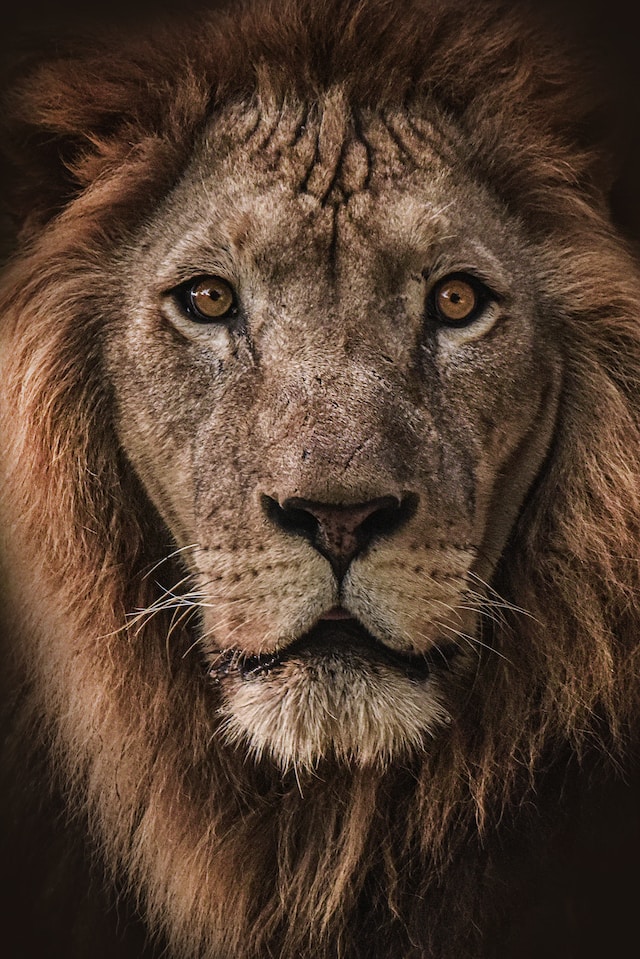

Diagnosing Lions Challenges and Opportunities for Wildlife Health
- health
- May 15, 2023
- No Comment
- 19
In the realm of wildlife health, diagnosing and treating lions poses unique challenges and opportunities. The intricate nature of big cat medicine requires a delicate balance between understanding the health needs of these majestic creatures and developing innovative techniques for accurate diagnoses. Today, we explore the complexities surrounding lion diagnostics and the opportunities that lie ahead for the well-being of these iconic predators.
One of the primary challenges in lion diagnostics stems from the inherent nature of these magnificent creatures. Their size, strength, and natural instincts make traditional medical examinations and procedures difficult. The risks associated with direct contact and sedation often require alternative approaches to gather essential health information.
To overcome these challenges, wildlife veterinarians are increasingly turning to non-invasive diagnostic techniques. Remote sensing technology, such as drones equipped with high-resolution cameras and thermal imaging sensors, allows for the observation and monitoring of lions from a safe distance. This method provides invaluable data on behavior, body condition, and potential signs of illness. By harnessing the power of remote sensing, veterinarians can minimize stress for the animals while obtaining vital information for accurate diagnoses.
However, even with advanced technology, some health issues remain elusive. Many diseases affecting lions exhibit non-specific symptoms or are in early stages when difficult to detect. This necessitates the development of novel approaches for early identification and intervention.
Collaborative efforts between wildlife veterinarians, researchers, and conservationists are now focusing on genetic analysis and biomarker research. By studying the genetic makeup of lions and identifying specific biomarkers associated with diseases, researchers can enhance diagnostic capabilities. Genetic analysis not only aids in identifying hereditary disorders but also provides insights into population genetics and patterns of disease transmission.
In addition to genetic analysis, biomarker research offers a promising avenue for lion diagnostics. Blood, urine, and fecal samples collected from lions can reveal crucial information about their health status. Analyzing these samples for specific biomarkers helps identify diseases, track their progression, and monitor treatment effectiveness. By fine-tuning biomarker analysis techniques, veterinarians can gain a deeper understanding of lion health, leading to more targeted and effective treatments.
While the challenges of lion diagnostics are significant, opportunities for improvement are on the horizon. Advancements in technology, such as portable diagnostic equipment, offer potential for on-site examinations and real-time data analysis. These developments empower wildlife veterinarians to make informed decisions promptly, ensuring timely interventions for the well-being of individual lions and populations as a whole.
Furthermore, collaborative research and international partnerships are expanding our knowledge of lion health. By sharing data, findings, and expertise across borders, researchers can identify patterns and trends that transcend specific geographic locations. This collective effort not only enriches our understanding of lion health but also supports the development of comprehensive diagnostic protocols and treatment strategies.
Ethical considerations are paramount in the realm of wildlife health. Veterinarians adhere to strict guidelines to minimize stress, protect the natural behaviors of lions, and maintain ecological balance. The welfare of individual animals is balanced with the long-term conservation of lion populations, highlighting the importance of ethical decision-making in every diagnostic endeavor.
In conclusion, diagnosing lions presents a unique set of challenges and opportunities in the realm of wildlife health. Advanced techniques, such as remote sensing, genetic analysis, and biomarker research, are gradually overcoming the obstacles of traditional diagnostics. As technology and collaborative efforts continue to evolve, we are poised to unlock even more comprehensive understanding of lion health. By navigating these challenges and seizing opportunities, we can ensure the continued well-being and conservation of these remarkable creatures.





