



Decoding Your Covid Test: Tips for Knowing When to Trust the Results
- health
- April 5, 2023
- No Comment
- 26
Introduction:
Covid-19 testing has become an integral part of the fight against the pandemic. However, with different types of tests and varying degrees of accuracy, it can be challenging to know when to trust the results. Here are some tips for decoding your Covid test and understanding what the results mean.
Types of Covid Tests:
There are currently three main types of Covid tests available: PCR tests, antigen tests, and antibody tests. Each test has its strengths and limitations, and understanding the differences is crucial to interpreting the results.
- PCR tests: These are considered the gold standard of Covid testing and are the most accurate. They detect the genetic material of the virus and can identify even small amounts of the virus in a sample.
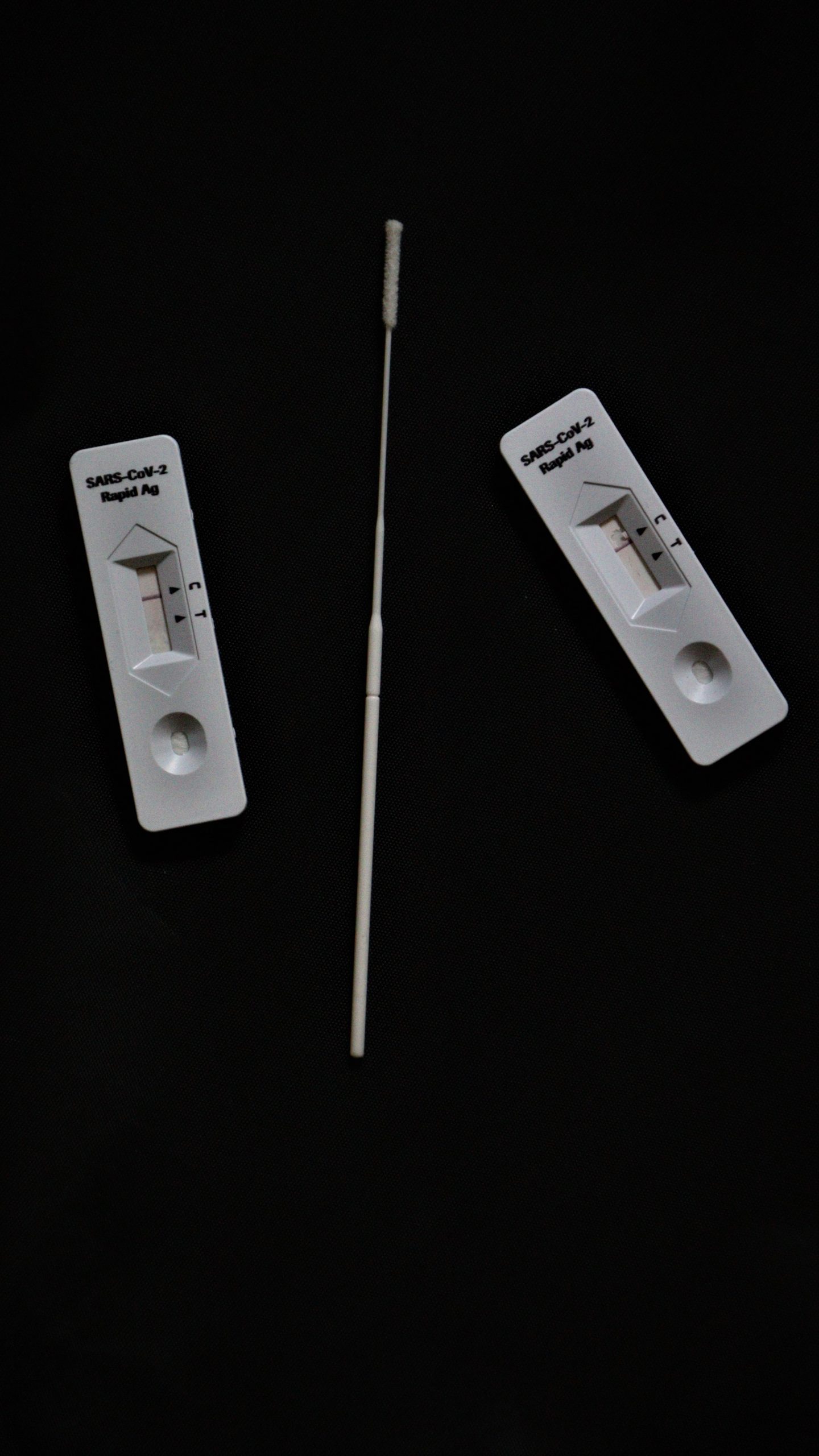
- Antigen tests: These tests detect specific proteins on the surface of the virus and can produce results quickly. However, they are less accurate than PCR tests and can produce false negatives.
- Antibody tests: These tests detect antibodies that the body produces in response to a Covid infection. However, they are not useful for diagnosing an active infection and are only effective after the body has had time to produce antibodies.
Understanding Test Results:
Once you’ve taken a Covid test, it’s essential to understand what the results mean. Here are some key terms to know:
- Positive: This means that the test has detected the presence of the virus in your sample. A positive result indicates that you are infected with Covid-19 and should isolate to prevent spreading the virus.
- Negative: This means that the test did not detect the virus in your sample. However, it’s important to note that false negatives can occur, particularly with antigen tests. If you have symptoms or have been in close contact with someone who has Covid-19, you should get retested.
- Inconclusive: This means that the test results were unclear or could not be interpreted. Inconclusive results can occur for several reasons, including a low viral load or an issue with the test itself. If you receive an inconclusive result, you should contact your healthcare provider for guidance.
When to Retest:
If you receive a negative test result but have symptoms or have been in close contact with someone who has Covid-19, you should get retested. Additionally, if you receive an inconclusive result, you should also get retested. It’s important to follow the guidance of your healthcare provider and public health officials.
Conclusion:
Decoding your Covid test results can be challenging, but understanding the types of tests available and what the results mean can help you make informed decisions. Remember to follow public health guidelines, including wearing a mask, practicing social distancing, and getting vaccinated when eligible. Together, we can help stop the spread of Covid-19.





