



Debunking Myths About Sensitive Scalps: What Dermatologists Want You to Know
- Beauty Fitness
- July 12, 2023
- No Comment
- 28
Introduction:
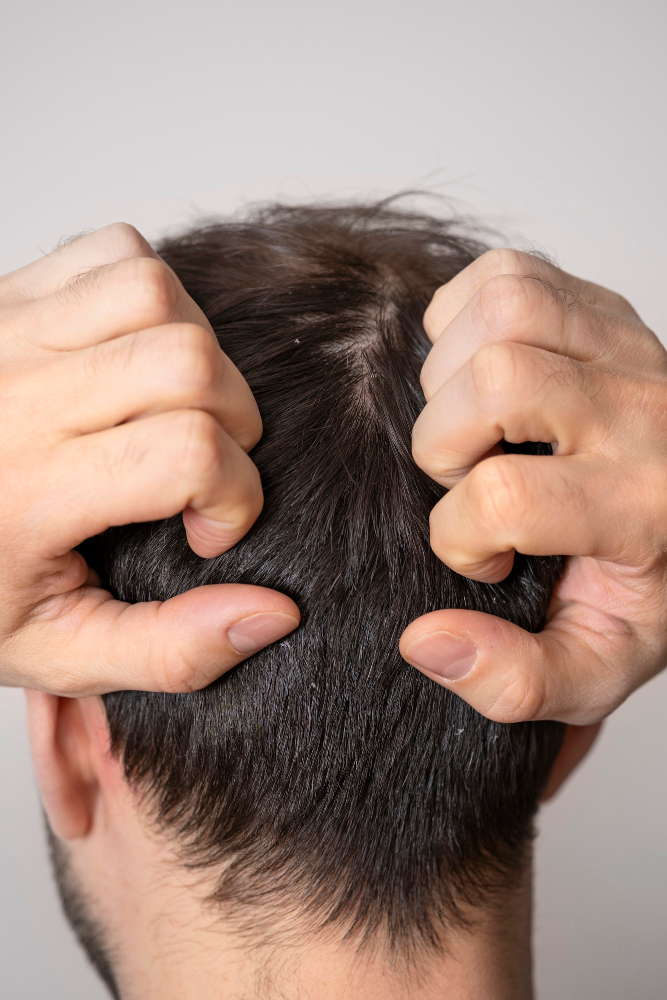
Sensitive scalps are a common concern, but misconceptions often surround this topic. To separate fact from fiction, it’s important to turn to the experts. In this enlightening guide, dermatologists debunk myths about sensitive scalps and provide valuable insights. By understanding the truth behind sensitive scalp conditions, triggers, and effective management strategies, you can make informed decisions and care for your scalp properly. Let’s debunk the myths and gain a deeper understanding of sensitive scalps, as shared by dermatologists.
Myth #1: Sensitive Scalps Are Rare
Fact: Sensitive scalps are more common than you might think. Many people experience scalp sensitivity, which can manifest as itching, redness, or discomfort. Dermatologists emphasize that sensitive scalps are a legitimate concern that requires attention and proper care.
Myth #2: Sensitive Scalps Are Only Caused by Allergies
Fact: While allergies can contribute to scalp sensitivity, they are not the sole cause. Skin conditions like psoriasis, seborrheic dermatitis, or hormonal imbalances can also lead to scalp sensitivity. Identifying the underlying cause is crucial for effective management.
Myth #3: Frequent Shampooing Aggravates Scalp Sensitivity
Fact: Contrary to popular belief, frequent shampooing does not necessarily worsen scalp sensitivity. However, it’s important to choose gentle, sulfate-free shampoos suitable for sensitive scalps. Over-washing with harsh products can indeed exacerbate sensitivity.
Myth #4: Sensitive Scalps Cannot Be Treated
Fact: Sensitive scalps can be managed and treated effectively. Dermatologists recommend various strategies, including gentle hair care routines, avoiding triggers, using appropriate hair care products, and seeking professional advice when needed. Treatment options depend on the underlying cause of scalp sensitivity.
Myth #5: Sensitive Scalps Cannot Benefit from Hair Dye or Styling Products
Fact: People with sensitive scalps can still use hair dye and styling products. However, it’s crucial to choose hypoallergenic, fragrance-free, and gentle formulas. Performing patch tests before applying new products is recommended to check for potential reactions.
Effective Management Strategies for Sensitive Scalps:
- Use Gentle Hair Care Products: Opt for mild, fragrance-free shampoos and conditioners specifically formulated for sensitive scalps. Look for products with soothing ingredients like chamomile or aloe vera.
- Avoid Hot Water and Heat Styling: Hot water and excessive heat styling can exacerbate scalp sensitivity. Use lukewarm water for washing and limit the use of heat styling tools. Embrace air-drying or choose low-heat settings when styling.
- Moisturize the Scalp: Keep your scalp hydrated by applying a lightweight, hydrating scalp serum or oil. Look for products with ingredients like argan oil or jojoba oil to nourish and soothe the scalp.
- Protect from Environmental Factors: Shield your scalp from extreme weather conditions, such as sun exposure or cold temperatures. Wear a hat or use sunscreen specifically formulated for the scalp to minimize irritation.
- Seek Professional Advice: If your scalp sensitivity persists or worsens, consult a dermatologist. They can evaluate your scalp condition, identify underlying causes, and recommend appropriate treatments or lifestyle changes.
Conclusion:
Debunking myths about sensitive scalps is essential for proper care and management. Dermatologists emphasize that sensitive scalps are common and can be effectively managed with the right strategies. Understanding the underlying causes, using gentle hair care products, moisturizing the scalp, and seeking professional advice when needed are key steps in caring for a sensitive scalp. By knowing the truth and implementing dermatologist-recommended practices, you can achieve a healthier and more comfortable scalp.





