



The true cost of America’s parking addiction
- Autos & Vehicles
- May 4, 2023
- No Comment
- 24
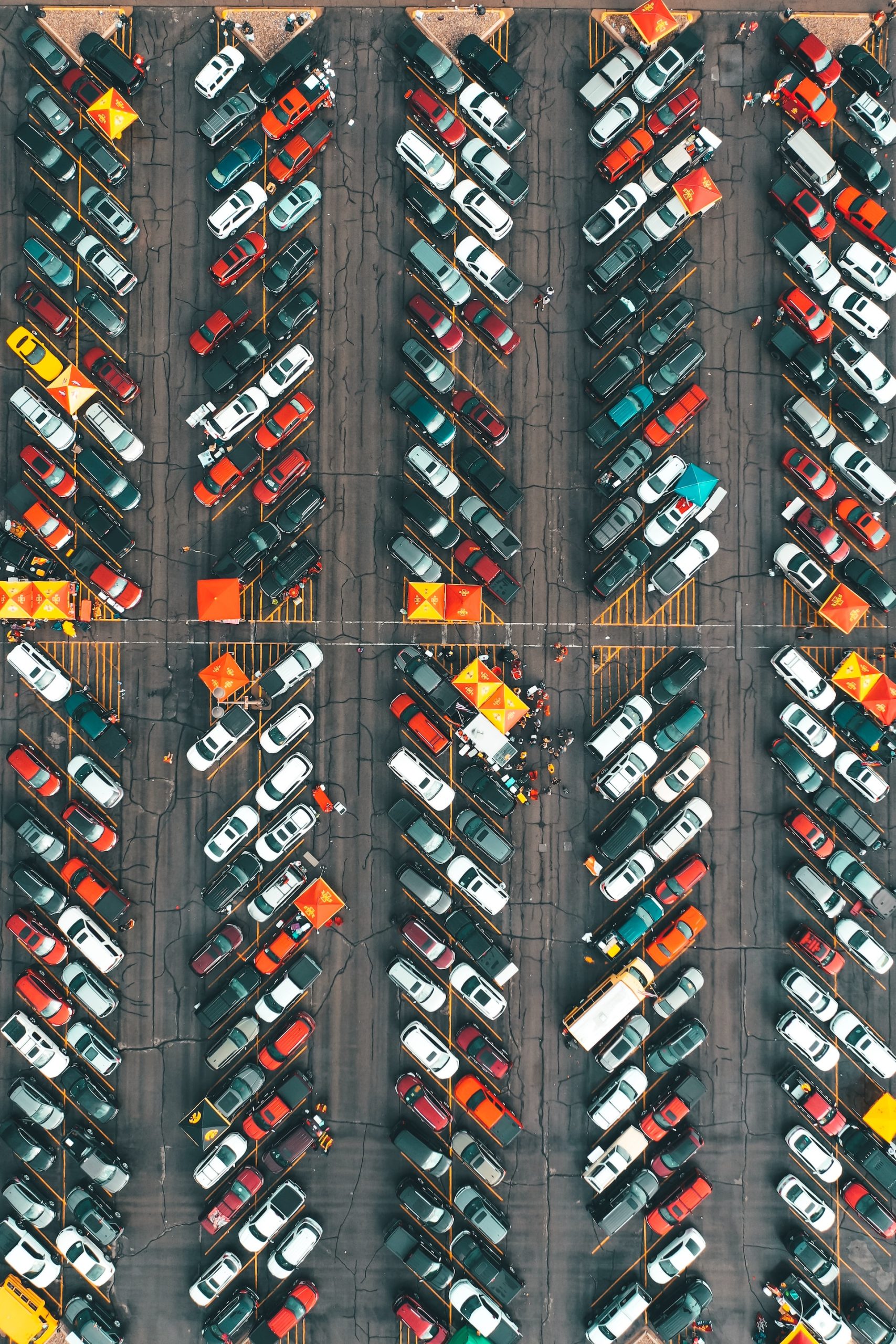
America’s love affair with cars is well-documented, but with it comes a significant challenge that is often overlooked: parking. As the number of cars on the road continues to rise, so does the need for parking spaces, and the consequences of this demand are becoming increasingly apparent. From increased traffic congestion to environmental concerns, the cost of America’s parking addiction is substantial.
Parking has long been a contentious issue in urban areas. It is estimated that there are approximately 2 billion parking spaces in the United States, and yet, finding a place to park remains a daily struggle for many Americans. In cities like New York, San Francisco, and Los Angeles, the cost of parking can be exorbitant, with some garages charging as much as $100 per day. In addition, the sheer amount of land devoted to parking spaces has become a significant issue, with studies suggesting that parking lots and garages account for up to one-third of the total land use in some urban areas.
The cost of parking is not just financial, however. As cities continue to devote significant resources to building and maintaining parking spaces, other essential services, such as public transportation, are often neglected. This creates a vicious cycle, where the more people drive, the more parking spaces are required, and the less incentive there is to invest in alternative modes of transportation. As a result, traffic congestion in many cities has reached unprecedented levels, with drivers spending hours in traffic jams each day.
The environmental impact of America’s parking addiction is also substantial. In addition to the carbon emissions produced by vehicles stuck in traffic, the construction and maintenance of parking lots and garages can have a significant impact on the environment. According to the Environmental Protection Agency (EPA), the construction of a single-space parking spot can produce as much as 1,200 pounds of CO2 emissions.
Despite the growing awareness of the negative impact of America’s parking addiction, there has been little progress in addressing the issue. However, there are some promising signs that change may be on the horizon. Many cities are experimenting with innovative solutions to reduce the need for parking spaces, such as ride-sharing, bike-sharing, and other alternative transportation options. In addition, some cities are taking a more holistic approach to urban planning, focusing on creating walkable, bike-friendly neighborhoods that are designed to reduce the need for cars.
It is clear that America’s parking addiction is a significant challenge that will require a concerted effort to address. However, the potential benefits of reducing our dependence on cars and parking spaces are significant. From reducing traffic congestion to improving air quality and creating more livable cities, the possibilities are endless. It is time for us to break the cycle of our parking addiction and embrace a more sustainable future.





