


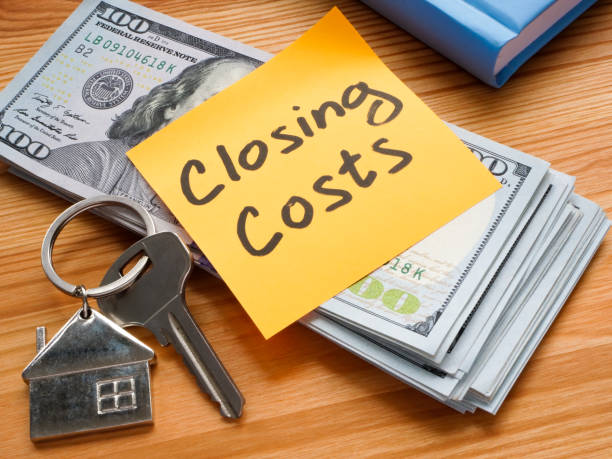

Understanding Closing Costs: What to Expect and How to Prepare
- Real Estate
- August 30, 2023
- No Comment
- 26
Introduction to Closing Costs in Real Estate
Closing costs are a crucial aspect of any real estate transaction, representing the fees and expenses associated with finalizing the purchase or sale of a property. Understanding what closing costs entail, how they are calculated, and how to manage them is essential for both buyers and sellers to ensure a smooth and financially sound closing process.

Components of Closing Costs
- Loan-Related Fees: These include origination fees, appraisal fees, credit report charges, and other costs associated with obtaining a mortgage.
- Title and Escrow Fees: Title insurance, title search, and escrow services are essential for verifying the property’s ownership and facilitating the transfer of funds.
- Attorney or Notary Fees: In some regions, legal professionals oversee the closing process and charge fees for their services.
- Recording Fees: These fees cover the cost of recording the deed and other relevant documents with the local government.
- Property Taxes and Prepaid Items: Buyers may need to pay a portion of property taxes and prepaid items like homeowners insurance and mortgage interest.
Factors Affecting Closing Costs
- Property Value: Closing costs are often a percentage of the property’s purchase price, meaning higher-priced homes may have higher closing costs.
- Location: Closing costs can vary significantly by location due to differences in local taxes, regulations, and fees.
- Type of Loan: The type of mortgage and lender requirements can influence the closing costs associated with a transaction.
- Negotiations: Buyers and sellers may negotiate who pays certain closing costs, impacting the final amount.
Budgeting and Planning for Closing Costs
- Estimate Closing Costs: Work with your real estate agent and lender to estimate potential closing costs before making an offer.
- Review the Loan Estimate: Lenders are required to provide a Loan Estimate detailing anticipated closing costs within three days of receiving a mortgage application.
- Build a Buffer: It’s wise to set aside a buffer of extra funds to cover unexpected or slightly higher closing costs.
Negotiating Closing Costs: Tips for Buyers and Sellers
- Seller Concessions: Buyers can negotiate for sellers to cover a portion of the closing costs as part of the purchase agreement.
- Lender Credits: Buyers can ask lenders for credits that can help offset some closing costs.
- Comparison Shopping: Buyers and sellers can shop around for service providers to potentially find lower-cost options.
Conclusion
In conclusion, understanding closing costs is crucial for a successful real estate transaction. By familiarizing yourself with the components of closing costs, the factors that influence them, and strategies for negotiation, you can navigate this financial aspect of buying or selling a home with confidence and ease.





