



The Chinese Automotive Wave: Challenges Faced by Japanese and Korean Brands
- Autos & Vehicles
- June 15, 2023
- No Comment
- 16
Introduction
The global automotive industry is experiencing a wave of transformation as Chinese automakers rise to prominence. This article examines the challenges that Japanese and Korean automotive brands are encountering in the face of China’s expanding influence. With the Chinese automotive market growing in size and competitiveness, Japanese and Korean automakers must navigate these challenges to maintain their market positions and sustain growth.
China’s Automotive Market Growth
China has emerged as the largest automotive market globally, with a significant impact on the industry’s dynamics. The country’s expanding middle class, rising disposable incomes, and increased consumer demand for automobiles have fueled the growth of its domestic automotive market. As a result, Chinese automakers have grown in scale and sophistication, presenting formidable competition to Japanese and Korean brands.
The Quality Gap Narrows
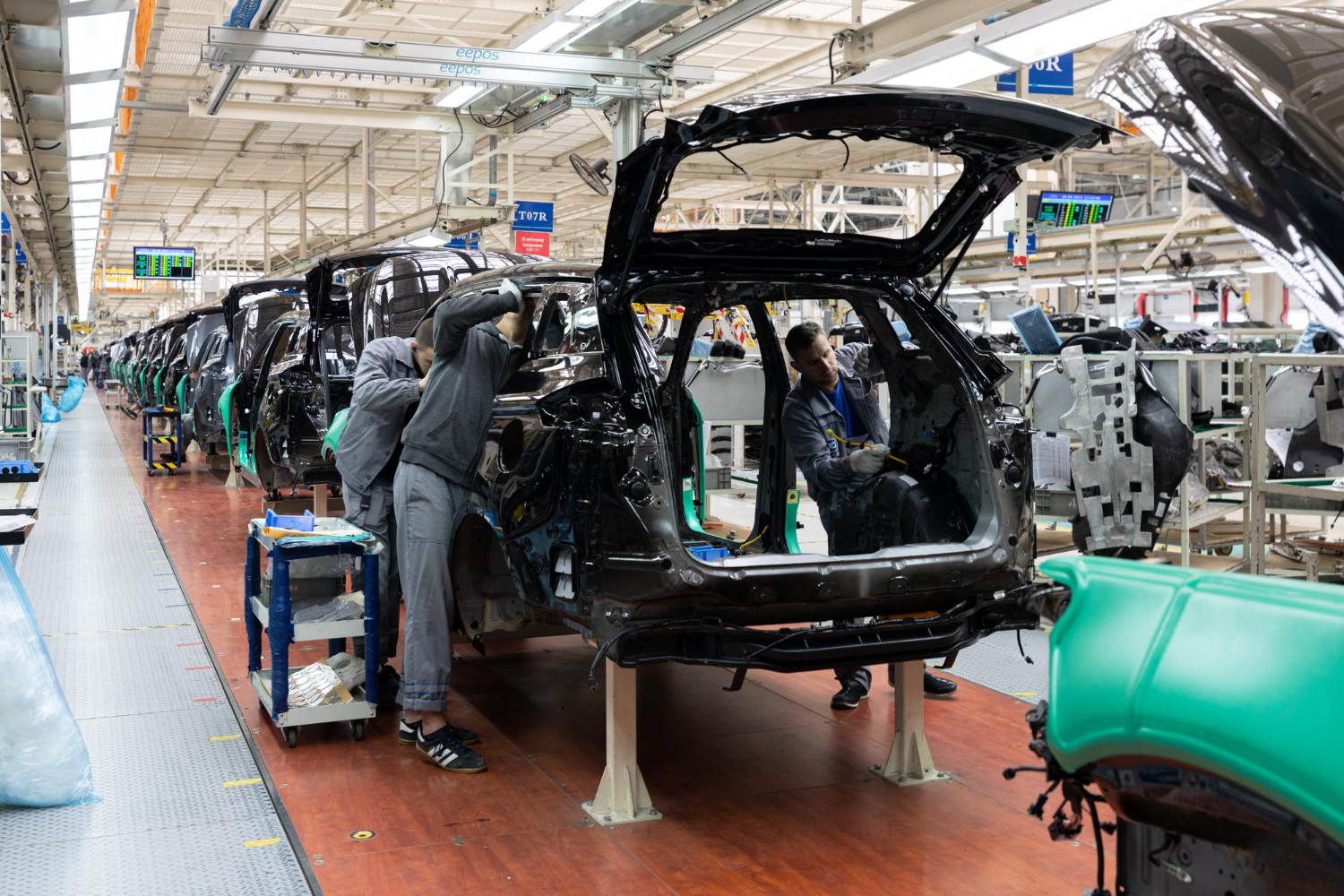
Historically, Japanese and Korean automakers have been renowned for their exceptional build quality, reliability, and advanced technology. However, Chinese automakers have made substantial progress in closing the quality gap. They have invested in research and development, manufacturing capabilities, and the adoption of advanced technologies, resulting in vehicles that rival those of their Japanese and Korean counterparts. This narrowing quality gap poses a significant challenge for Japanese and Korean brands to differentiate themselves in the market.
Cost-Effectiveness and Affordability
Chinese automakers have excelled in producing cost-effective vehicles that offer competitive pricing without compromising quality. This emphasis on affordability has appealed to price-conscious consumers, both within China and in other global markets. Japanese and Korean brands, traditionally associated with higher price points, face the challenge of addressing the demand for more cost-effective options without compromising their reputation for quality and performance.
Local Market Knowledge and Preferences
Chinese automakers possess a deep understanding of their domestic market, including consumer preferences, cultural nuances, and government regulations. This local advantage enables them to tailor their products and marketing strategies to resonate with Chinese consumers effectively. In contrast, Japanese and Korean automakers must invest time and resources in gaining a comprehensive understanding of the Chinese market and adapt their offerings accordingly.
Electric Vehicle Revolution
China has been at the forefront of the electric vehicle (EV) revolution, with ambitious government targets and substantial investments in EV infrastructure and technology. Chinese automakers have capitalized on this opportunity, developing competitive electric vehicle offerings that cater to the increasing global demand for sustainable mobility. Japanese and Korean automakers face the challenge of catching up in the EV space and establishing themselves as leaders in this rapidly evolving segment.
Brand Perception and Trust
Established Japanese and Korean automotive brands have built a reputation for reliability, durability, and customer trust over several decades. However, Chinese automakers still face challenges in establishing a similar level of brand perception and trust on a global scale. Japanese and Korean automakers can leverage their strong brand identities and long-standing customer loyalty to differentiate themselves and instill confidence in consumers amidst increasing competition from Chinese brands.
Collaboration and Partnerships
To navigate the challenges presented by China’s automotive industry growth, Japanese and Korean automakers can explore collaboration and partnerships with Chinese counterparts. Strategic alliances, joint ventures, and technology-sharing initiatives can facilitate knowledge exchange, market expansion, and synergies between companies. Such collaborations can help Japanese and Korean brands tap into the Chinese market’s vast potential while leveraging their own strengths in technology, design, and brand reputation.
Conclusion
The rapid growth of China’s automotive industry poses significant challenges for Japanese and Korean automakers. To maintain their market positions and sustain growth, they must address the narrowing quality gap, offer more cost-effective options, understand and cater to local market preferences, embrace the electric vehicle revolution, build and reinforce brand perception and trust, and explore collaboration opportunities with Chinese counterparts. By adapting to the changing dynamics and leveraging their unique strengths, Japanese and Korean brands can navigate the Chinese automotive wave and continue to thrive in the global marketplace.





