


Building Sustainable Futures: Real Estate’s Role in Urban Development
- Real Estate
- September 11, 2023
- No Comment
- 29
Building Sustainable Futures: Real Estate’s Role in Urban Development
Introduction:
Greetings, I’m David Simon, a seasoned real estate expert with over two decades of experience navigating the ever-changing urban landscape. Join me in this illuminating exploration of the pivotal role played by real estate in shaping sustainable urban development. In this article, we’ll delve into the impact of eco-friendly practices, community-centered designs, and the crucial role of sustainable real estate in building resilient cities for the future.
The Imperative of Sustainable Urban Development
As our world continues to urbanize at an unprecedented rate, sustainable urban development has become an imperative. Cities are both the epicenters of economic activity and the focal points of environmental challenges. Real estate, as a core component of urban infrastructure, holds the key to building a sustainable future for our rapidly growing urban populations.
Sustainability in Real Estate: Beyond Buzzwords
Sustainability in real estate goes beyond mere buzzwords. It encompasses a holistic approach that integrates eco-friendly building practices, resource efficiency, and community well-being. Here’s a closer look at the core elements that define sustainable real estate:
Eco-Friendly Building Practices
Sustainable real estate embraces green building practices that reduce energy consumption, minimize waste, and utilize renewable resources. Features such as solar panels, energy-efficient insulation, and rainwater harvesting systems are becoming commonplace in sustainable urban developments.
Community-Centered Designs
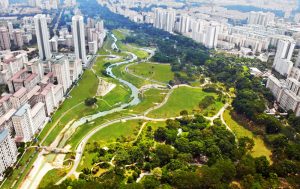
The concept of “smart cities” extends to creating communities that are livable, walkable, and foster a sense of belonging. Sustainable urban developments prioritize mixed-use spaces, green corridors, and efficient public transportation to reduce congestion and improve the quality of life for residents.
Environmental Resilience
Climate change and natural disasters pose significant threats to urban areas. Sustainable real estate incorporates resilient designs that can withstand extreme weather events, reducing the vulnerability of cities and ensuring the safety of their inhabitants.
The Impact of Sustainable Real Estate
The influence of sustainable real estate is far-reaching and transformative:
Economic Prosperity
Sustainable urban developments attract businesses and investments, driving economic growth and creating job opportunities. The focus on energy efficiency also leads to reduced operational costs for both commercial and residential buildings.
Environmental Benefits
By adopting eco-friendly practices, sustainable real estate significantly reduces greenhouse gas emissions, conserves resources, and minimizes pollution. This contributes to a healthier planet and mitigates the impact of climate change.
Enhanced Quality of Life
Community-centered designs prioritize green spaces, recreational areas, and accessible public services. These elements enhance the overall quality of life for urban residents, promoting well-being and happiness.
The Path Forward: Collaboration and Innovation
The future of sustainable urban development lies in collaboration and innovation:
Public-Private Partnerships
Successful sustainable real estate projects often result from collaborations between governments, private developers, and community stakeholders. These partnerships bring together diverse expertise and resources to create vibrant, eco-friendly urban spaces.
Technological Advancements
Innovative technologies, such as smart grids, IoT (Internet of Things) devices, and data analytics, are integral to sustainable urban development. These tools enable more efficient resource management, better transportation systems, and improved urban planning.
Expert Insights: Dr. Elena Martinez, Urban Sustainability Scholar
To gain deeper insights into the role of real estate in sustainable urban development, I had the privilege of speaking with Dr. Elena Martinez, a distinguished urban sustainability scholar and author of several groundbreaking studies on sustainable cities.
Dr. Martinez highlighted the importance of integrated planning, saying, “Sustainable urban development requires a comprehensive approach that considers not only environmental aspects but also social and economic dimensions. Real estate plays a central role in shaping the physical and social fabric of our cities.”
Conclusion: Building a Sustainable Tomorrow
As our world continues to urbanize, the importance of sustainable real estate in shaping resilient cities cannot be overstated. It’s not just about constructing buildings; it’s about building communities, preserving the environment, and securing a better future for all.
Sustainable real estate is the cornerstone of urban development in the 21st century. By embracing eco-friendly practices, community-centered designs, and fostering innovation through collaboration, we can create cities that are not only thriving but also environmentally responsible and socially inclusive.





