



Body Image Impacts Those with Excessive Weight
- health
- May 25, 2023
- No Comment
- 25
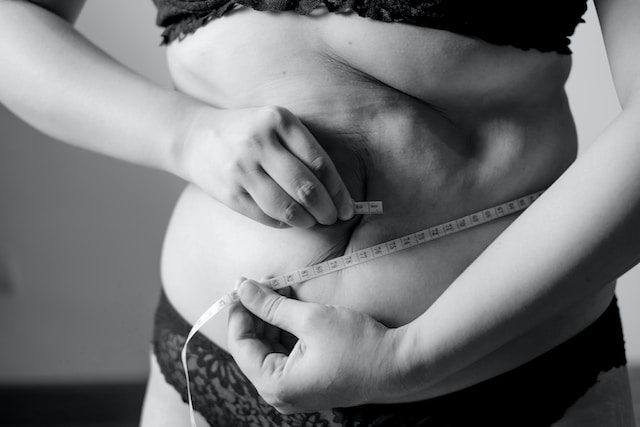
In a world that often equates beauty with thinness, individuals carrying excessive weight bear the brunt of societal judgments and unrealistic body standards. The impact of society’s view on body image extends far beyond physical appearance, deeply affecting the emotional well-being and self-worth of those who don’t fit the mold. By shedding light on these harsh realities, we can foster empathy, challenge harmful stereotypes, and advocate for a more inclusive and accepting society.
Society’s preoccupation with a narrow and unrealistic beauty ideal has far-reaching consequences for those with excessive weight. The constant pressure to conform to these standards cultivates an environment where self-worth becomes closely linked to physical appearance. This leaves individuals grappling with feelings of shame, low self-esteem, and a distorted body image. The societal emphasis on thinness creates an unattainable goal, leading to a perpetual cycle of dieting, self-doubt, and dissatisfaction.
Weight bias and discrimination further exacerbate the challenges faced by individuals with excessive weight. Studies have shown that weight-based stigma can occur in various settings, including educational institutions, workplaces, healthcare systems, and even within personal relationships. The resulting social exclusion and marginalization can lead to profound emotional distress, depression, and anxiety. The toll on mental health is often overlooked, as society tends to prioritize physical appearance over holistic well-being.
Moreover, the impact of society’s view on body image extends to broader systemic issues. Employment opportunities, access to healthcare, and societal acceptance are often influenced by weight bias. Prejudiced assumptions regarding competence, discipline, and personal worth can hinder career advancement and perpetuate social inequalities. The negative portrayal of excessive weight in media and popular culture further perpetuates these biases, reinforcing harmful stereotypes and creating a culture of discrimination.
To address these challenges, it is crucial to foster a more inclusive and accepting society that values all bodies. This requires collective efforts to challenge societal norms, educate individuals about the complexities of weight-related issues, and promote body positivity and self-acceptance. Media representation must diversify to reflect the reality of diverse body types, dismantling harmful beauty ideals and promoting inclusivity.
Education plays a vital role in dismantling weight bias and cultivating empathy. Schools and educational institutions should prioritize comprehensive programs that address body image, self-esteem, and promote acceptance of all body sizes. Healthcare providers should undergo training to better understand the unique needs and experiences of individuals with excessive weight, ensuring equitable and unbiased care.
Supportive communities and networks can provide a safe haven for individuals grappling with weight-related challenges. By fostering spaces of understanding, validation, and support, we can counteract the isolation and self-doubt often experienced by those with excessive weight. Encouraging open and respectful conversations about body image and weight-related issues can help break down societal barriers and promote empathy.
Ultimately, the change begins with each individual. We must challenge our own biases, refrain from making assumptions about others based on their appearance, and actively promote body acceptance and inclusivity. By fostering a culture of compassion and recognizing the inherent worth of every individual, regardless of their size, we can collectively reshape society’s view on body image and create a more supportive and inclusive environment.
Addressing the impact of society’s view on body image is a multifaceted task that requires a collective commitment to empathy, education, and change. By acknowledging and challenging harmful stereotypes, advocating for inclusive representation, and promoting self-acceptance, we can pave the way for a more compassionate and accepting society—one that celebrates diversity and values the inherent worth of every individual.





