



Beyond Grass: Exploring Alternatives to Traditional Lawns
- Real Estate
- August 9, 2023
- No Comment
- 16
Rethinking Greenery: The Case for Lawn Alternatives
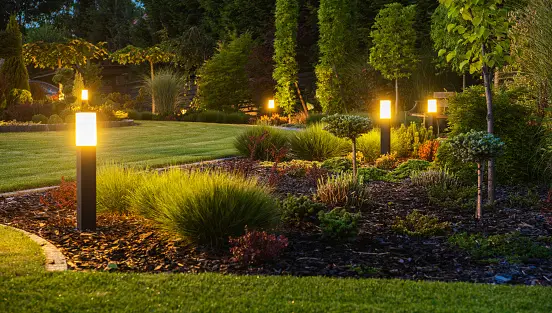
Traditional lawns have long been a symbol of well-kept landscapes, but changing times and environmental concerns have prompted a shift towards more sustainable and creative alternatives. By exploring innovative landscaping options, homeowners can reduce maintenance efforts, conserve water, and contribute to a more biodiverse ecosystem.
Ground Covers: Low-Maintenance and High Impact
- Clover Bliss: Embrace the charm of clover as a lawn alternative. Clover is naturally drought-tolerant, requires minimal mowing, and adds a delightful touch of green while attracting pollinators.
- Thyme for Change: Thyme is not just a culinary herb; it’s also a fantastic ground cover. Its fragrant foliage releases a pleasant aroma when stepped on, and its low height means less maintenance.
- Seductive Sedum: Sedum varieties are succulent plants that thrive with little water. They come in a range of colors and sizes, creating a visually appealing and low-maintenance landscape.
Rock Gardens: Embracing Aesthetic Diversity
- Boulder Beauty: Incorporate large boulders strategically placed amidst drought-resistant plants for a striking rock garden. Boulders provide texture, while the plants add color and dimension.
- Zen Serenity: Design a Zen-inspired rock garden with carefully arranged rocks, gravel, and minimalistic plantings. This tranquil space requires minimal upkeep and offers a peaceful retreat.
- Mediterranean Escape: Capture the essence of the Mediterranean with a rock garden featuring hardy plants like lavender, rosemary, and ornamental grasses. Enjoy a slice of the Mediterranean lifestyle right at home.
Native Plants: Cultivating Biodiversity at Home
- Wildflower Meadows: Transform your lawn into a vibrant wildflower meadow by sowing a mix of native wildflowers. This provides habitat for local wildlife and reduces the need for frequent mowing.
- Pollinator Paradise: Opt for native plants that attract pollinators such as bees and butterflies. Milkweed, coneflowers, and bee balm not only add beauty but also contribute to ecosystem health.
- Woodland Oasis: If you have shaded areas, create a woodland-inspired landscape with native ferns, hostas, and woodland flowers. This alternative thrives in lower light conditions.
Choosing the Right Alternative for You
When considering alternatives to traditional lawns, it’s essential to align your choice with your lifestyle, climate, and aesthetic preferences:
- Evaluate Your Space: Determine the amount of sunlight, water availability, and soil conditions in your yard to select plants that will thrive.
- Design with Purpose: Plan your landscape layout based on how you intend to use the space. Create functional zones that cater to relaxation, entertainment, or gardening.
- Consider Maintenance: While these alternatives are generally low-maintenance, some may require occasional pruning or care. Choose an option that suits the level of upkeep you’re comfortable with.
- Local Ecology: Opt for native plants whenever possible to support local ecosystems, attract beneficial insects, and promote biodiversity.
Conclusion
Transitioning from traditional lawns to creative alternatives offers a range of benefits for both homeowners and the environment. From ground covers and rock gardens to native plant landscapes, these alternatives not only enhance the aesthetics of your outdoor space but also contribute to sustainability and ecological health. By exploring these innovative landscaping options and tailoring them to your unique needs, you can create a beautiful and eco-friendly haven right outside your doorstep.





