



Maximizing the Benefits of your Pollinator Garden: Best Practices for Maintenance
- HOME Garden
- June 16, 2023
- No Comment
- 17
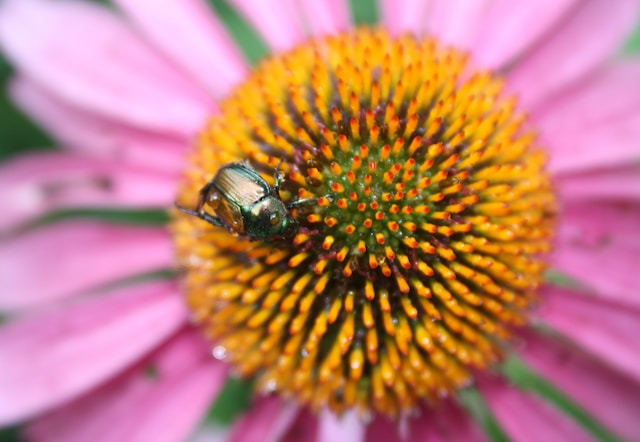
Pollinator gardens are a great way to support local ecosystems and promote biodiversity. However, simply planting a garden is not enough. Proper maintenance is crucial to ensure that your garden is providing maximum benefits to pollinators and the environment. In this article, we will discuss best practices for maintaining your pollinator garden.
1. Regular Watering
Watering is essential for the health of your plants and the pollinators that rely on them. It is important to water your garden regularly, especially during dry spells. However, be careful not to overwater, as this can lead to root rot and other issues. A good rule of thumb is to water deeply once a week, rather than shallowly every day.
2. Deadheading
Deadheading is the process of removing spent flowers from your plants. This not only keeps your garden looking tidy, but it also encourages your plants to produce more flowers. More flowers mean more nectar and pollen for pollinators to feed on.
3. Pruning
Pruning is another important maintenance task for your pollinator garden. It helps to keep your plants healthy and encourages new growth. Be sure to prune your plants at the right time of year, as different plants have different pruning requirements. For example, spring-blooming plants should be pruned after they finish blooming, while summer-blooming plants should be pruned in early spring.
4. Pest Control
Pests can be a major problem in any garden, and pollinator gardens are no exception. However, it is important to use environmentally friendly pest control methods to avoid harming pollinators. For example, you can use companion planting to repel pests, or you can use natural predators like ladybugs to control aphids.
5. Mulching
Mulching is the process of adding a layer of organic material to the surface of your soil. This helps to retain moisture, suppress weeds, and regulate soil temperature. However, be careful not to over-mulch, as this can lead to waterlogging and other issues. A layer of 2-3 inches is usually sufficient.
6. Soil Health
Healthy soil is essential for the health of your plants and the pollinators that rely on them. Be sure to test your soil regularly and amend it as needed. Adding compost or other organic matter can help to improve soil health and fertility.
In conclusion, maintaining a pollinator garden requires regular care and attention. By following these best practices, you can ensure that your garden is providing maximum benefits to pollinators and the environment. Remember, a healthy garden is a happy garden!





