



Transforming Your Outdoor Space with a Beautiful and Functional Herb Garden
- HOME Garden
- May 27, 2023
- No Comment
- 17
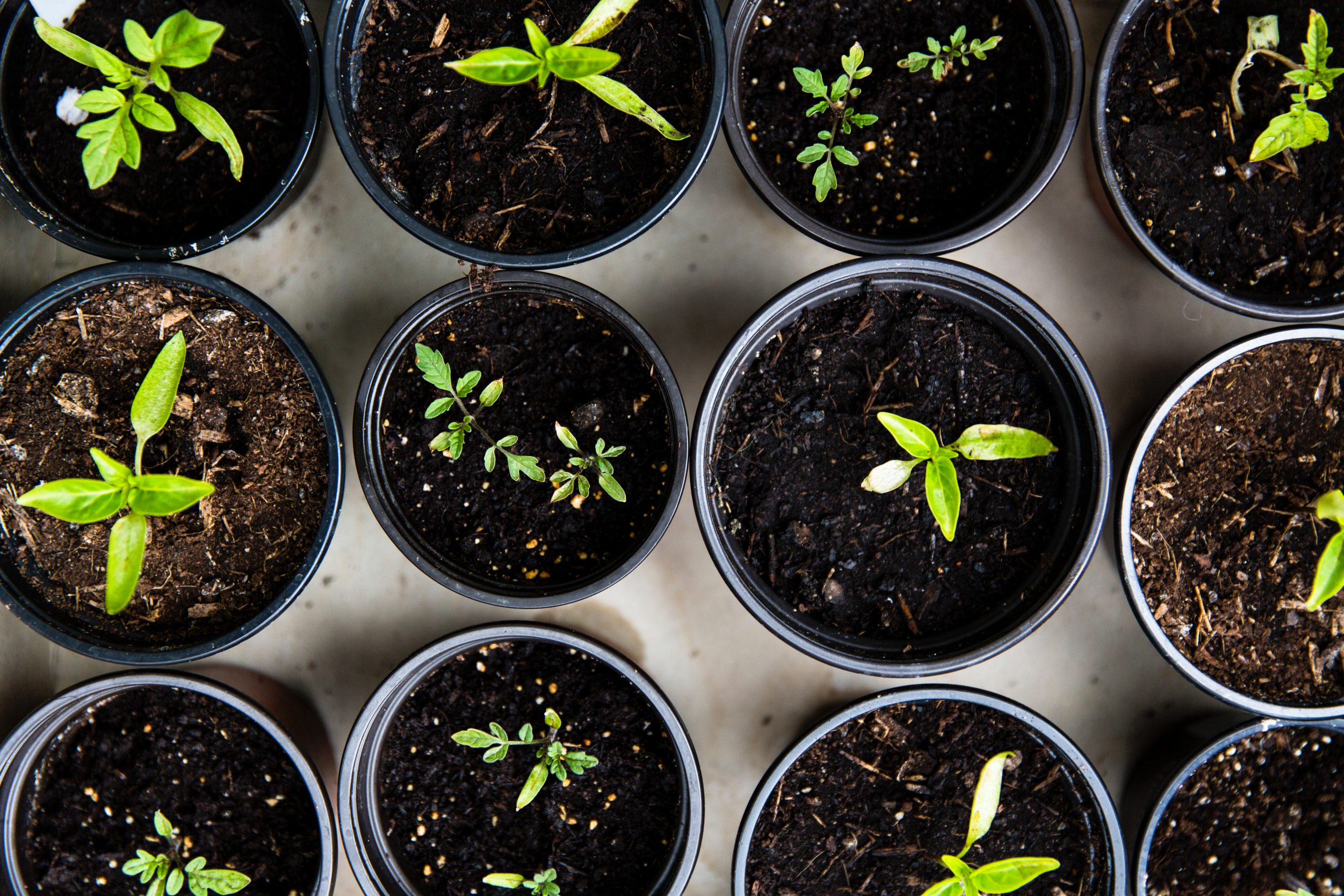
If you’re looking for a way to add beauty and functionality to your outdoor space, consider creating a herb garden. Not only do herb gardens provide fresh ingredients for cooking, but they also add a touch of greenery and fragrance to your yard or patio. In this article, we’ll explore the benefits of herb gardens and provide tips for creating your own.
Benefits of Herb Gardens
Herb gardens offer a variety of benefits, including:
1. Fresh ingredients: With a herb garden, you’ll have access to fresh herbs for cooking. This means you can add flavor to your dishes without relying on dried herbs or store-bought seasoning blends.
2. Health benefits: Many herbs have health benefits, such as reducing inflammation or aiding digestion. By incorporating these herbs into your cooking, you can improve your overall health.
3. Aesthetic appeal: Herb gardens add a touch of greenery and fragrance to your outdoor space. They can also attract pollinators, such as bees and butterflies, which can help your other plants thrive.
Creating Your Herb Garden
Here are some tips for creating a beautiful and functional herb garden:
1. Choose the right location: Herb gardens need plenty of sunlight, so choose a location that gets at least six hours of direct sunlight per day. You’ll also want to make sure the location has good drainage to prevent water from pooling around the roots.
2. Decide on the type of garden: Herb gardens can be planted in the ground, in raised beds, or in containers. Consider the size of your space and the amount of herbs you want to grow when deciding on the type of garden.
3. Choose your herbs: There are many herbs to choose from, including basil, thyme, rosemary, and mint. Consider the herbs you use most often in your cooking and choose those for your garden.
4. Plan your layout: Once you’ve chosen your herbs, plan out the layout of your garden. Consider the height and width of each plant, as well as their growth habits. You’ll want to make sure each plant has enough space to grow and thrive.
5. Add soil and fertilizer: Before planting your herbs, add soil and fertilizer to your garden. Herbs prefer well-draining soil that is rich in organic matter. You can also add a slow-release fertilizer to provide nutrients throughout the growing season.
6. Water regularly: Herbs need regular watering, especially during hot, dry weather. Water your garden deeply once or twice a week, depending on the weather and the type of soil you have.
Conclusion
A herb garden is a beautiful and functional addition to any outdoor space. By choosing the right location, herbs, and layout, you can create a garden that provides fresh ingredients for cooking, health benefits, and aesthetic appeal. With a little planning and care, your herb garden can thrive and provide enjoyment for years to come.





