


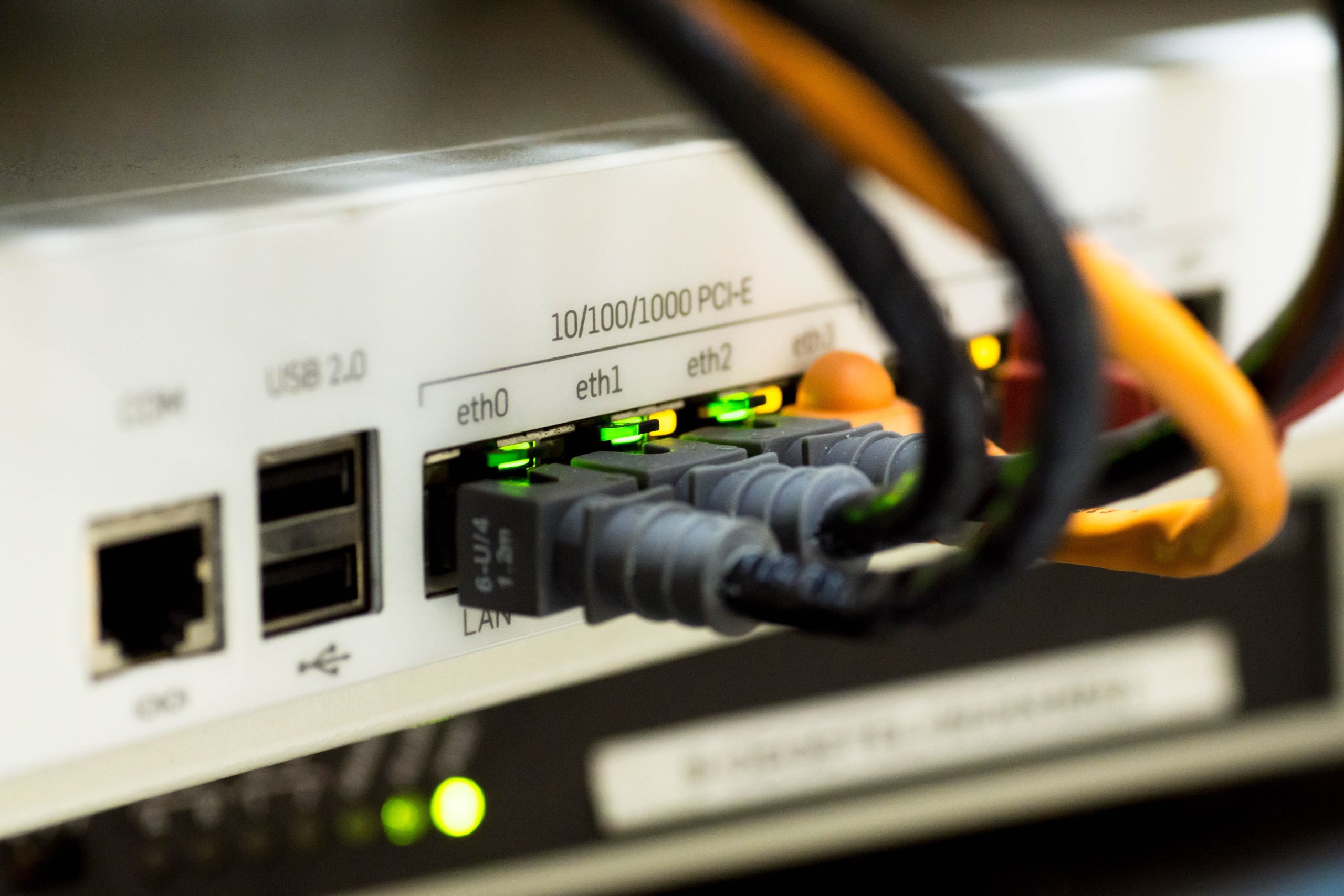

Should Basic Internet Be Faster Than What It Is Now?
- Internet and Telecom
- March 14, 2023
- No Comment
- 27
Are you tired of waiting ages for a simple web page to load? Do you think it’s time for basic internet speeds to be faster than what they are now? Well, you’re not alone! With the increasing dependence on the internet in our daily lives, basic internet connection speed has become an essential utility. In this blog post, we will discuss whether or not basic internet should be faster than what it is now and explore some of the potential benefits and drawbacks of such a change. So sit tight and let’s dive into this topic together!
What is basic internet?
The internet has come a long way since its inception in the early 1990s. Back then, dial-up was the only way to get online, and speeds were painfully slow. Today, we have multiple ways to get online, and speeds have increased dramatically. But even though speeds have increased, there are still some areas that need improvement. One of those areas is basic internet speed.
Basic internet speed is the speed at which you can perform basic tasks online. This includes things like checking your email, browsing websites, and streaming video. While most people have access to high-speed internet these days, there are still many who do not. And for those who do have high-speed internet, it’s not always as fast as it should be.
There are a number of factors that can affect your internet speed. One of those is your internet service provider (ISP). Another is the type of connection you have. And finally, your computer’s hardware can also play a role in how fast your internet is.
If you’re not happy with your current internet speed, there are a few things you can do to try and improve it. First, check with your ISP to see if there’s anything they can do to help. If you have a DSL or cable connection, there may be some tweaks they can make to improve your speed. Second, upgrade your hardware if possible. A faster computer will definitely help increase your speed
How fast is basic internet?
In the United States, the FCC defines broadband as 25 Mbps down and 3 Mbps up. According to their most recent study, the average internet speed in the US is 96.25 Mbps. So, basic internet should be faster than what it is now.
There are a number of factors that contribute to how fast your internet connection is. One is your internet service provider (ISP). If you have a slow connection, it could be because your ISP doesn’t offer fast speeds in your area, or it could be because they’re experiencing an issue. Another factor is your computer. If you have an old computer, it might not be able to take advantage of fast speeds even if your ISP offers them. Lastly, interference can also slow down your connection. This can be from things like walls, trees, or even weather conditions.
If you’re not getting the speeds you want, there are a few things you can do. One is to upgrade your plan with your ISP if they offer faster speeds in your area. Another is to upgrade your equipment. If you have an old computer, consider buying a new one or adding a wireless router to give yourself a boost in speed. Finally, try moving closer to your router if interference is an issue for you.
Who uses basic internet?
There are a number of people who use basic internet, including: those who live in rural areas, those who cannot afford high-speed internet, and those who have limited data plans. While there are a number of benefits to having high-speed internet, there are also a number of benefits to having a slower, more affordable option.
Pros and cons of faster internet
Most people would agree that faster internet is a good thing. After all, who doesn’t want to be able to do things more quickly? However, there are also some potential downsides to having faster internet. Let’s take a look at some of the pros and cons of having faster internet.
One of the biggest advantages of having faster internet is that it makes working from home much more feasible. With slower internet speeds, working from home can be incredibly frustrating as it can take forever to load even simple pages or files. However, with faster speeds, working from home is a lot easier as you don’t have to deal with these kinds of issues.
Another big advantage of faster internet is that it makes streaming media much more enjoyable. Whether you’re watching a movie on Netflix or catching up on your favorite TV show on Hulu, you won’t have to deal with annoying buffering delays if you have fast internet. This is especially important if you have multiple people in your household who are trying to use the same connection at the same time.
Of course, there are also some potential drawbacks to having faster internet. One of the biggest concerns is security. With high-speed connections, it’s easier for hackers to access your personal information or infect your computer with malware. That’s why it’s important to make sure you have a good security system in place if you decide to upgrade to a higher
How to make basic internet faster
Internet speeds have been increasing around the world, but many people still feel like they could be faster. Here are some tips on how to make basic internet faster:
1. Use a wired connection: One of the simplest things you can do to improve your internet speed is to use a wired connection instead of wireless. Wireless connections are subject to interference from other devices and obstructions in your home, which can slow down your speeds.
2. Optimize your router: Another easy way to boost your internet speed is to optimize your router. Check for firmware updates regularly and make sure that your router is placed in an open and unobstructed area for best results.
3. Change your DNS settings: Your DNS (Domain Name System) server settings could be slowing down your internet speeds. Try changing your DNS server to a public one such as Google’s DNS (8.8.8.8) or Cloudflare’s DNS (1.1.1.1). This can improve your speeds by up to 30%.
4. Use a VPN: A VPN (Virtual Private Network) encrypts your traffic and routes it through a secure tunnel, which can help improve your internet speeds by avoiding congestion on public networks. Many VPN providers also offer their own private servers which can further boost speeds.
5. Upgrade your plan: If you’re still not happy with your internet speeds after trying all of the above tips, you may need to upgrade your subscription plan with





