


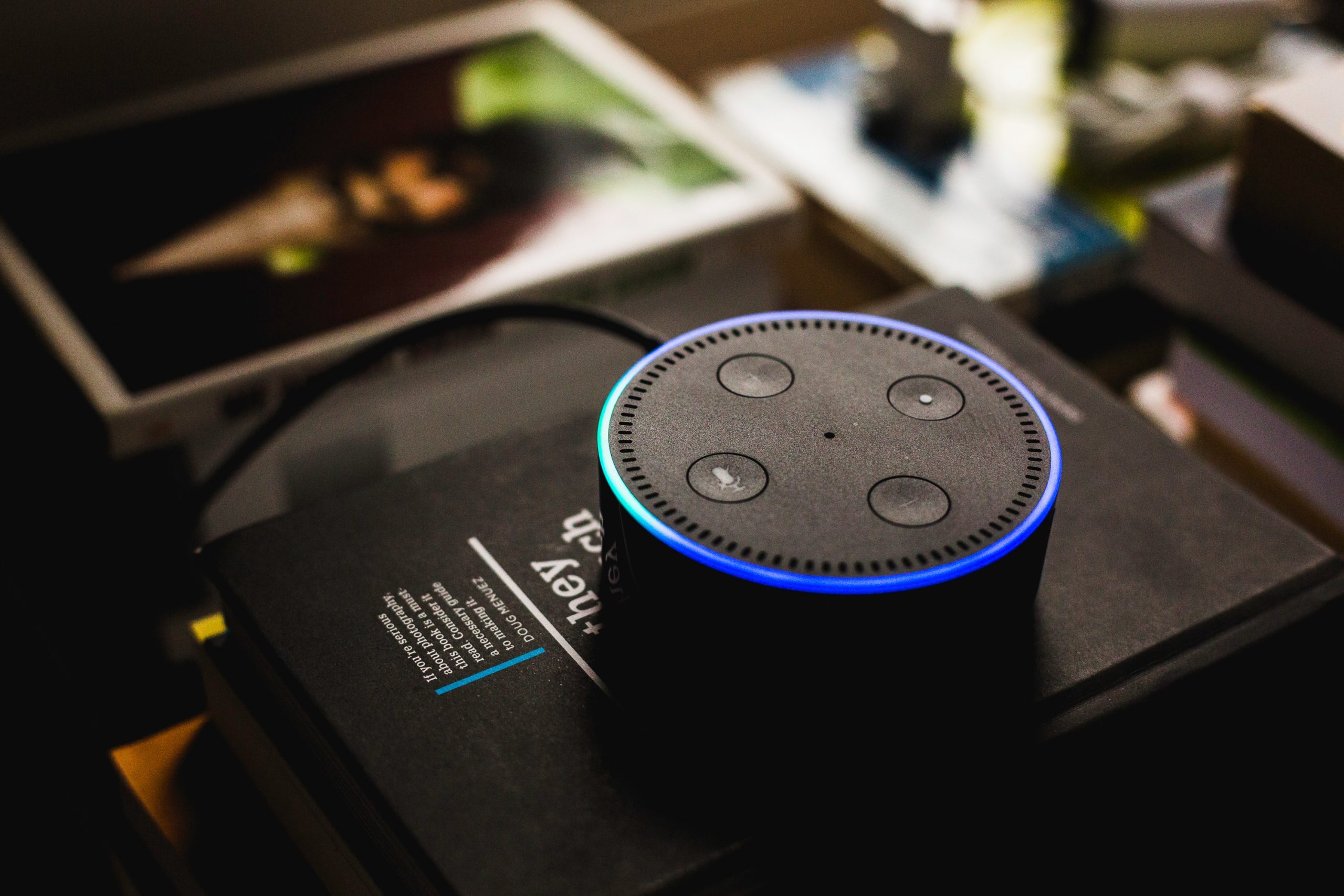

The Downsides of High Hopes: How Amazon’s Grand Vision for Alexa Ultimately Let Us Down
- Internet and Telecom
- March 20, 2023
- No Comment
- 23
The world was entranced by the idea of a virtual assistant that could do it all. Amazon’s Alexa promised to be our go-to for everything from ordering pizza to dimming the lights – but did it deliver? Unfortunately, after years of anticipation and excitement, we’re now starting to see the downsides of having such high hopes for something that ultimately failed us in some ways. In this blog post, we’ll explore how Amazon’s grand vision for Alexa didn’t quite measure up and left many feeling disappointed.
Amazon’s Grand Vision for Alexa
Amazon’s Grand Vision for Alexa was to create a voice-controlled assistant that would be truly useful to consumers. However, this grand vision ultimately led to disappointment when Alexa failed to meet expectations.
When Amazon first released the Echo in 2014, it was seen as a novelty item. But when the company released the second-generation Echo with improved sound quality and features, it quickly became clear that Amazon had ambitious plans for its voice-controlled assistant, Alexa. With the release of the third-generation Echo and the introduction of new devices like the Echo Dot and the Echo Show, it was evident that Amazon was betting big on Alexa.
However, despite Amazon’s grand vision for Alexa, the voice-controlled assistant has ultimately failed to meet expectations. One of the major problems is that Alexa is often inaccurate when understanding commands or questions. This leads to frustration on the part of users who expect Alexa to be able to understand them perfectly. Another problem is that Alexa often fails to provide helpful or accurate information in response to questions. This can be extremely frustrating when users are trying to get information about something important like the weather or traffic conditions.
Ultimately, while Amazon’s grand vision for Alexa may have been admirable, it has ultimately led to disappointment for many users. If Amazon wants to make Alexa truly useful, it needs to address these issues so that users can have a better experience with the voice-controlled assistant.
How Amazon’s Grand Vision Let Us Down
The voice assistant market is still nascent, and as such, there are a lot of kinks that need to be worked out. This is something that Amazon is clearly aware of, as evidenced by their aggressive development and marketing of the Alexa platform. However, despite their best efforts, Alexa has failed to meet the lofty expectations that Amazon has set for it.
The main problem lies in Alexa’s functionality. While the voice assistant can perform a number of tasks, it frequently struggles with understanding natural speech and often fails to execute commands properly. This has led to frustration from users, who have been left disappointed by the experience.
Another issue is that Alexa lacks any real killer features. Sure, it can do things like play music and turn on lights, but so can a number of other voice assistants on the market. In order to stand out, Alexa needs to offer something unique that other assistants cannot match. Unfortunately, it doesn’t seem like Amazon has been able to crack that code just yet.
Finally, there is the issue of privacy. With Amazon collecting data on everything that you say to Alexa, many people are understandably concerned about how their personal information is being used. Until Amazon can assuage these fears, it will be difficult for the platform to gain widespread adoption.
All in all, while Amazon may have had high hopes for Alexa, the voice assistant has ultimately fallen short of expectations. It remains to be seen if they will be able toTurn things around
The Downsides of High Hopes
When Amazon first introduced Alexa in 2014, it was hailed as a revolutionary new voice assistant that would change the way we interact with technology. But five years later, Alexa has failed to live up to the hype. Here are some of the downsides of high hopes for Alexa:
1. Limited functionality: Alexa can only do so much. She can’t answer all our questions, control all our devices, or perform all our tasks.
2. Frustration: When Alexa doesn’t understand us or does something we don’t want her to do, it’s frustrating. We may even start to resent her.
3. Time-consuming: Setting up and using Alexa takes time. We have to teach her how to do things and then hope she remembers what we said when we want her to do it again.
4. Expensive: Some of the best features of Alexa require an Amazon Prime subscription or an Echo device, which can be pricey.
5. Privacy concerns: Although Amazon says Alexa is secure and won’t share our personal information without our permission, some people are still worried about privacy implications of having a voice assistant in their home
Conclusion
It is clear that Amazon’s grand vision for Alexa ultimately let us down. With the launch of Echo, Amazon had huge expectations and was hoping to revolutionize the way people interact with technology. However, due to a number of factors including lack of investment in research and development, failure to recognize user needs, and inadequate customer service support, these high hopes never truly materialized. As a result, many customers felt disappointed when their expectations were not met after investing their time and money in Alexa products.





