


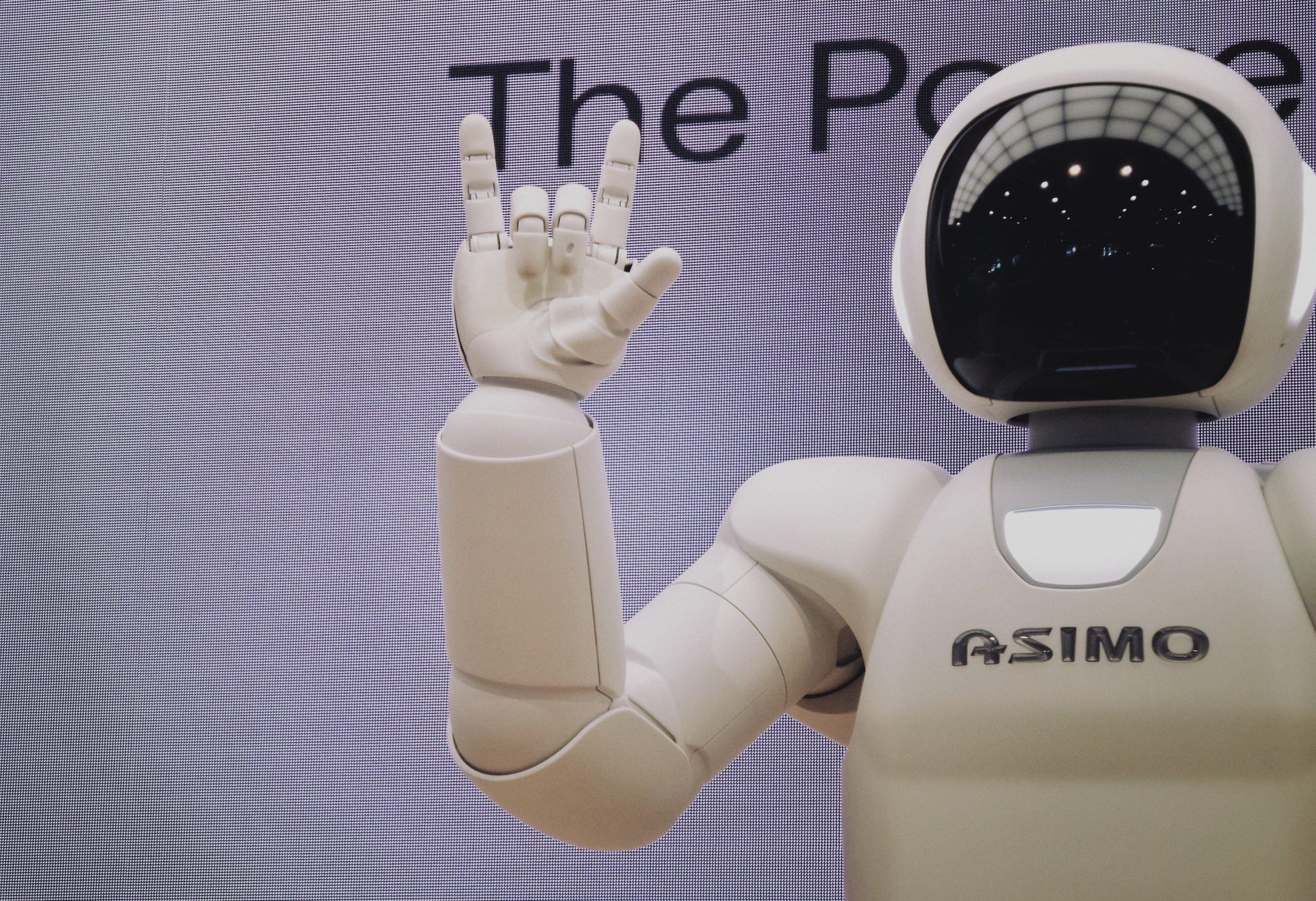

Adapt or Get Left Behind: The Impact of AI and Automation on Employment in 2023
- Jobs and education
- March 28, 2023
- No Comment
- 28
Are you ready for the future of work? As we enter a new era of technology, AI and automation are rapidly changing the employment landscape. From manufacturing to finance, every industry is being impacted by these technological advances. While some fear job loss and widespread unemployment, others see it as an opportunity for growth and innovation. In this blog post, we will explore how AI and automation will shape employment in 2023 and what you can do now to adapt and thrive in this evolving economy. Don’t get left behind – let’s dive in!
What is automation?
Automation has the potential to completely transform many industries, including manufacturing. It can help businesses save money by performing tasks that are currently done by humans, and it can free up workers to do more valuable work.
However, automation also has the potential to disrupt many jobs. For example, machines may be able to replace middle managers who oversee a group of employees. If this occurs, those employees may find themselves unemployed or in positions that require less skill than before.
If you’re worried about automation’s impact on your job, there’s no need to worry. You can adapt to its changes by learning new skills and taking advantage of opportunities that arise. Or you can hope for the best and prepare yourself for a future where many jobs are replaced by technology.
How will automation affect the workforce?
Automation is already having a significant impact on the workforce, with many fearing that it will put millions of people out of work. But while automation may cause some job losses, it can also lead to new and more fulfilling careers. Here are four ways automation is changing the workforce:
1. Automation is making it easier for companies to scale their operations. As machines take over tasks that used to be done by humans, businesses can expand their operations significantly without hiring additional workers. This has already led to a wave of automation-induced job growth in industries like finance, logistics, and healthcare, which are able to provide high-quality services at lower costs.
2. It’s giving people the opportunity to pursue new and innovative career paths. As machines become better at performing certain tasks, humans have to learn how to use them effectively in order for companies to keep up. This has led to a surge in fields like artificial intelligence (AI), machine learning, and robotics engineering, which are currently some of the most in-demand jobs in the market.
3. It’s creating new opportunities for freelancers and contract workers. With machines able to do a wider range of tasks faster than ever before, businesses are looking for alternative methods of outsourcing work. This has led to an increase in the number of freelancers and contract workers across all industries, who can now find work doing everything from customer service to data entry levels without having any previous experience required.
4. It
What can be done to prepare for the impact of automation on employment?
There is no doubt that automation and artificial intelligence (AI) will have a significant impact on employment in the coming years. The types of jobs that are at risk include those that are relatively low-skilled, manual labor, or involve tasks that can be easily automated.
In order to prepare for the impact of automation on employment, businesses must first understand what is happening and make adjustments where necessary. For example, companies should evaluate their workforces and identify which positions are most susceptible to automation. They should also invest in training programs to ensure that their employees have the skills necessary to keep up with the changing technology.
Employees who are at risk of losing their jobs due to automation should also take action. They should research available job opportunities and learn as much about the new technology as possible. In addition, they should develop a plan for transitioning into new employment opportunities if needed. Finally, they should remain positive and optimistic about the future prospects for themselves and their careers.
Conclusion
In the coming years, automation and artificial intelligence (AI) are set to have a major impact on the workforce. As these technologies become more prevalent, it is important that businesses strategize ahead in order to ensure they are not left behind. By understanding how AI and automation will affect the workforce, companies can make informed decisions about their future employment needs. In addition, employees who understand how AI and automation work will be better positioned to find jobs that match their skills and interests.





