


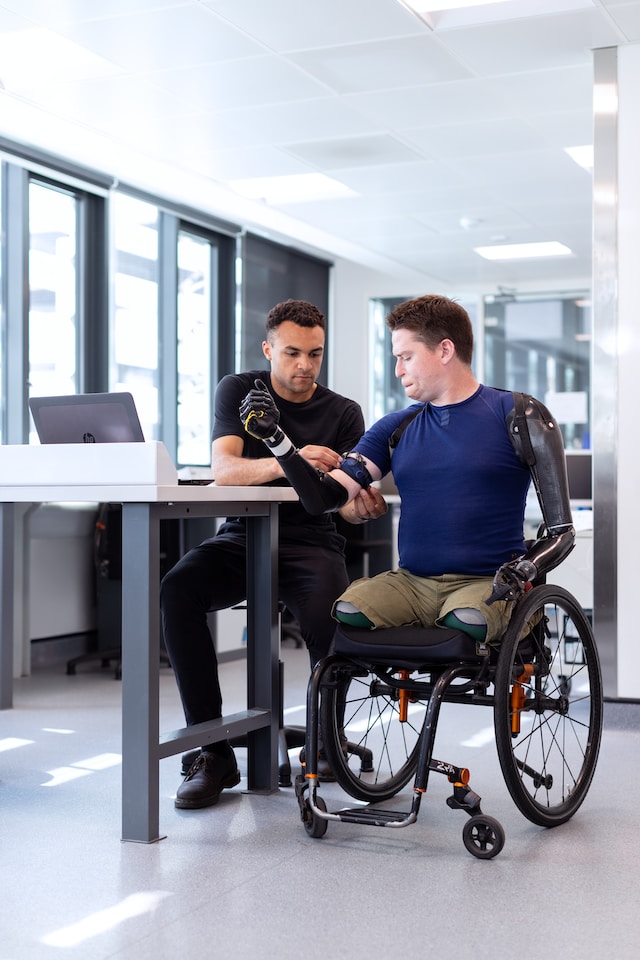

Accessibility in the Bedroom Tips for Making Sex More Inclusive
- health
- June 7, 2023
- No Comment
- 33
Introduction: Creating an inclusive and accessible environment in the bedroom is essential to ensure that individuals of all abilities can enjoy fulfilling and satisfying sexual experiences. By understanding and addressing the unique needs and challenges faced by people with disabilities, we can promote inclusivity, enhance communication, and facilitate intimacy. In this article, we will explore tips for making sex more accessible and inclusive for individuals with disabilities.
- Communication and Consent: Open and ongoing communication is the foundation of any healthy sexual relationship. It is important to have open discussions about desires, boundaries, and preferences. Ensuring that all parties involved provide informed and enthusiastic consent is crucial. Communication aids such as assistive devices, sign language interpreters, or alternative communication methods can facilitate clear communication.
- Physical Accessibility: Consider the physical accessibility of the bedroom environment. Ensure that the space is free from obstacles and has sufficient maneuvering space for individuals using mobility aids. Adjusting the height of the bed, using supportive pillows or wedges, and installing grab bars or handrails can enhance comfort and stability during sexual activities. Accessible furniture or equipment, such as transfer aids or lifts, may also be beneficial for some individuals.
- Sexual Positions and Techniques: Experimenting with different sexual positions and techniques can help accommodate various physical abilities and limitations. Modify positions to accommodate mobility or strength restrictions. For example, using pillows or wedges for support, trying side-lying positions, or exploring seated or reclined positions can provide more comfort and accessibility. Communication and feedback from all partners are essential in finding what works best for everyone involved.
- Sensory Considerations: Be mindful of sensory considerations, as individuals with disabilities may have sensory sensitivities or differences. Discuss preferences regarding lighting, noise levels, touch sensitivity, or specific sensory needs. Adjusting the environment to create a soothing or stimulating atmosphere can enhance the overall experience and comfort of individuals with sensory sensitivities.
- Assistive Devices and Adaptive Technology: Explore the use of assistive devices or adaptive technology that can enhance accessibility and pleasure during sexual activities. There are various accessible sex toys, aids, and tools available on the market designed specifically for individuals with disabilities. These can include vibrators, accessible harnesses, sensory stimulation devices, or specialized positioning equipment. Research and experimentation can help find the right tools for individual needs and preferences.
- Emotional Support and Intimacy: Recognize that sexual intimacy involves more than just physical pleasure. Emotional support and connection are vital components of a fulfilling sexual relationship. Focus on building emotional intimacy, trust, and mutual respect. Engage in activities that promote emotional bonding, such as intimate conversations, cuddling, or sensual touch. Being attentive to each other’s emotional needs can enrich the overall sexual experience.
- Professional Support and Resources: Seek guidance and support from healthcare professionals who specialize in sexual health and disabilities. They can provide valuable advice, address specific concerns, and offer recommendations tailored to individual circumstances. Additionally, there are organizations, books, and online resources available that provide information, techniques, and support for inclusive and accessible sexual experiences.
- Self-Advocacy and Empowerment: Encourage self-advocacy and empowerment for individuals with disabilities. Each person knows their body best and should feel empowered to express their needs, desires, and boundaries. Promote self-confidence, body positivity, and self-acceptance. Celebrate individual strengths and focus on what can be done rather than what may be perceived as limitations.
Conclusion: Creating an inclusive and accessible bedroom environment is crucial for individuals with disabilities to fully enjoy and engage in sexual experiences. By fostering open communication, considering physical accessibility, exploring adaptive techniques and tools, and embracing emotional intimacy, we can make sex more inclusive for people of all abilities. Remember that each person’s needs and preferences are unique, and customization and ongoing communication are key to creating a comfortable, empowering, and fulfilling sexual experience.





