



A Step-by-Step Guide to Studying Human Anatomy Alone
- Book literature
- June 14, 2023
- No Comment
- 25
Studying human anatomy alone from the comfort of your home can be a rewarding and enriching experience. Whether you’re a student, an artist, or simply passionate about understanding the human body, here’s a step-by-step guide to help you navigate your self-study journey:
- Set Clear Goals: Determine your specific objectives and goals for studying human anatomy. Are you looking to gain a foundational understanding or delve deep into specific systems? Setting clear goals will guide your study plan and keep you focused.
- Gather Reliable Resources: Acquire high-quality anatomy resources to support your learning. Invest in reputable anatomy textbooks, such as “Gray’s Anatomy for Students” by Richard Drake or “Atlas of Human Anatomy” by Frank Netter. Online platforms like Kenhub and TeachMeAnatomy offer interactive tools, diagrams, and tutorials.
- Create a Study Space: Dedicate a quiet and well-lit space in your home for studying human anatomy. Ensure you have a comfortable chair, a desk or table to organize your materials, and access to a computer or tablet for online resources.
- Develop a Study Plan: Create a structured study plan to organize your learning. Break down the topics into manageable sections and allocate specific time slots for each. Consider your availability and commit to regular study sessions to maintain consistency.
- Start with Foundational Knowledge: Begin your study by familiarizing yourself with anatomical terminology, body planes, and directional terms. This foundation will facilitate your understanding of more complex anatomical structures and systems.
- Utilize Visual Learning Tools: Anatomy is a visual subject, so make use of visual aids to enhance your understanding. Use anatomical atlases, diagrams, and 3D models to visualize structures and their relationships. Online resources like AnatomyZone and Complete Anatomy offer interactive 3D models for in-depth exploration.
- Engage in Active Learning: Actively engage with the material to deepen your understanding. Take notes, create flashcards, and draw diagrams to reinforce key concepts. Explaining the material aloud or teaching it to someone else can solidify your knowledge.
- Practice with Quizzes and Self-Assessments: Regularly test your knowledge with anatomy quizzes and self-assessments. Online platforms like Kenhub and Quizlet provide pre-made quizzes and flashcards, or you can create your own to reinforce your learning and identify areas that require further study.
- Seek Online Communities: Join online communities or forums dedicated to anatomy. Engage in discussions, ask questions, and share knowledge with fellow learners. These communities can provide support, insights, and alternative perspectives on complex anatomical topics.
- Supplement with Online Courses: Consider enrolling in online anatomy courses or webinars. Platforms like Coursera, edX, and Khan Academy offer anatomy courses taught by experts, providing structured content and assessments to deepen your knowledge.
- Review and Reflect: Regularly review previously learned material to reinforce your understanding. Summarize important concepts, create concept maps, or utilize mnemonic techniques to aid retention. Reflect on your progress and adjust your study plan as needed.
- Stay Motivated and Consistent: Maintain your motivation and discipline throughout your self-study journey. Remind yourself of the value of your learning and celebrate your achievements along the way. Establish a study routine that works for you, and stay committed to regular study sessions.
- Seek Clarification and Expert Guidance: Don’t hesitate to seek clarification or expert guidance when you encounter challenging concepts. Reach out to instructors, mentors, or online communities to ask questions or seek additional explanations. Their insights can deepen your understanding.
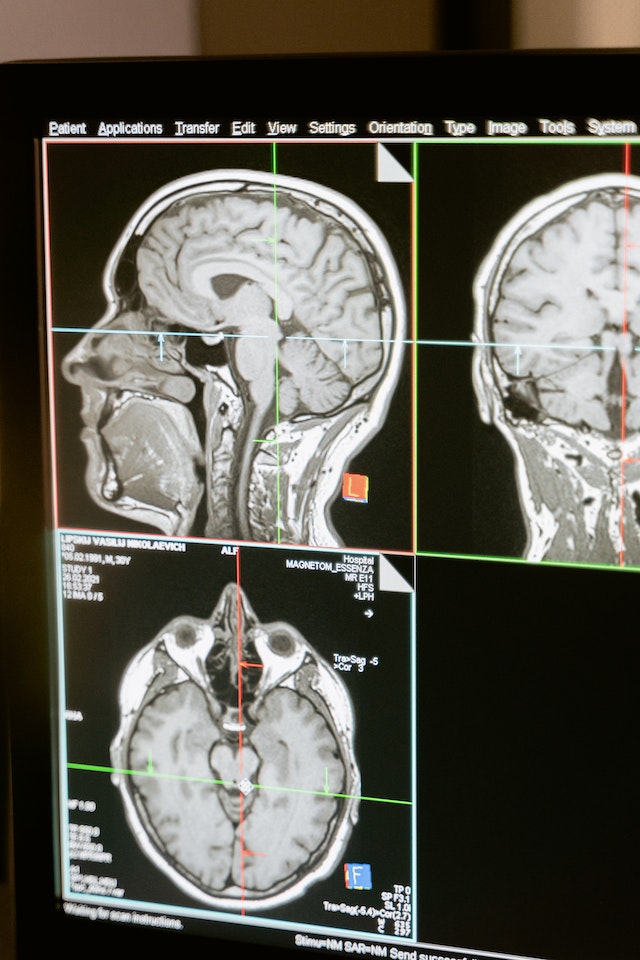
- Apply Practical Applications: Connect your knowledge of anatomy to real-world applications. Explore clinical case studies, medical imaging, or surgical videos to understand the practical relevance of anatomical structures and systems.
Remember, self-study requires dedication, discipline, and a passion for learning. Embrace the freedom and flexibility of studying from home, and enjoy the process of unraveling the intricacies of the human body at your own pace. Your commitment will lead to a profound understanding of human anatomy.





