


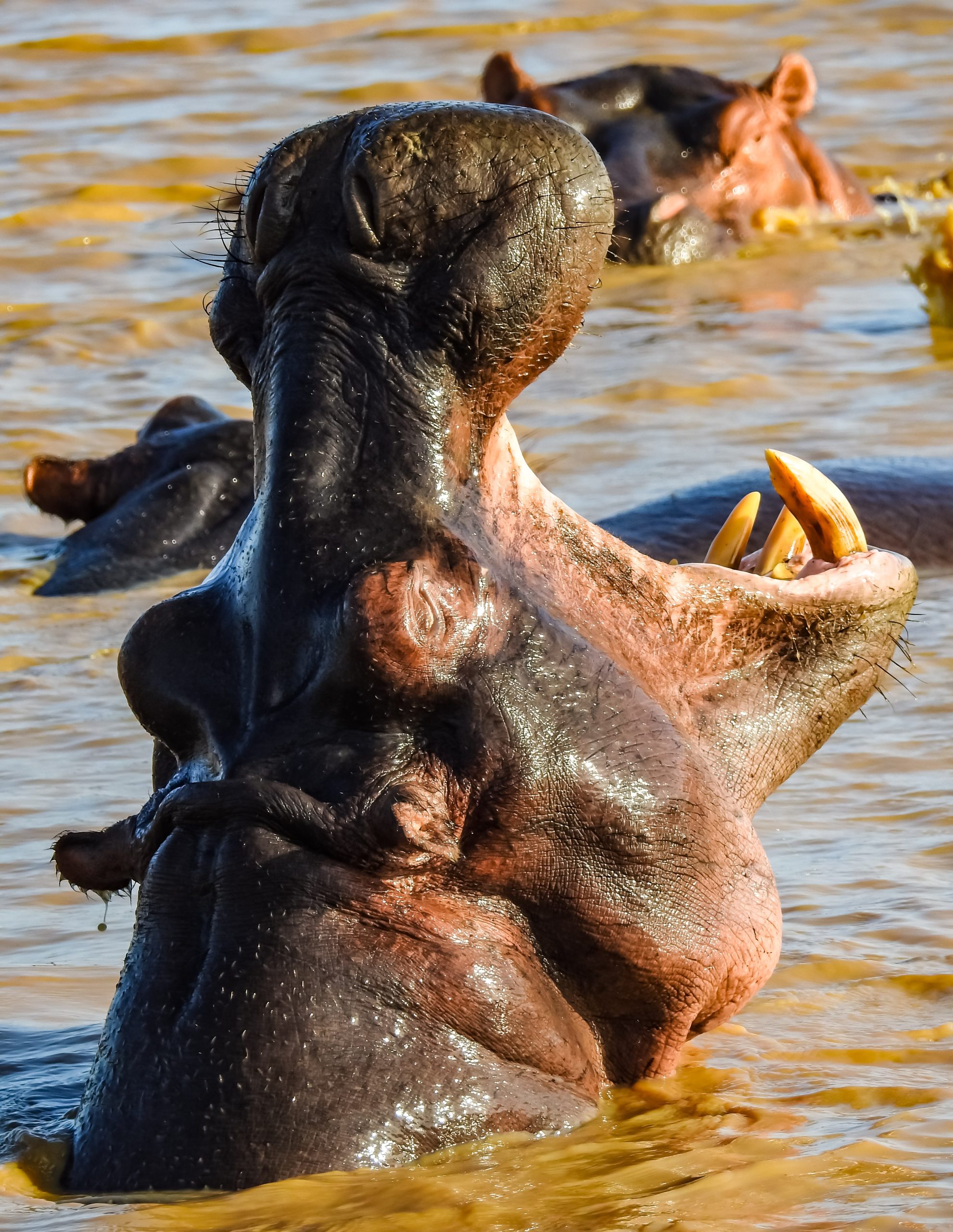

Exploring the Habitat and Diet of the Majestic Hippopotamus
- Pet and animal
- April 27, 2023
- No Comment
- 37
The hippopotamus, or hippo for short, is one of the most iconic and recognizable animals in Africa. Known for its massive size and aggressive behavior, the hippo is also a fascinating creature that plays a vital role in its ecosystem. In this article, we’ll take a closer look at the habitat and diet of the majestic hippopotamus.
Habitat
Hippos are found throughout much of sub-Saharan Africa, living in a variety of aquatic habitats such as rivers, lakes, and swamps. They are highly adaptable animals and can live in both freshwater and saltwater environments. Hippos are also able to tolerate a wide range of temperatures, from warm equatorial waters to cooler rivers in more temperate climates.
Despite their large size, hippos are surprisingly nimble in the water. They are able to move quickly and gracefully, even in areas with strong currents or rough water. When not in the water, hippos will spend their time resting in or near the water, using mud to cool off and protect their skin from the sun.
Diet
Hippos are herbivores, feeding primarily on a variety of aquatic vegetation such as grasses, reeds, and water lilies. They are able to consume large quantities of plant material, thanks to their massive size and powerful jaws. In fact, hippos have been known to consume up to 150 pounds of food in a single day!
Hippos are also able to digest tough plant material thanks to specialized bacteria in their digestive system. This allows them to extract as much nutrition as possible from the plant material they consume.
Importance in the Ecosystem
Hippos play a critical role in their ecosystems, both as consumers and as providers of habitat for other species. Their grazing habits help to shape the aquatic vegetation in their habitats, creating openings that allow other species to thrive. In addition, hippos create pathways through the water and mud, making it easier for other animals to move through these environments.
Hippos also provide a source of food for a variety of other animals, including crocodiles, lions, and hyenas. Their dung is also an important source of nutrients for a variety of aquatic organisms.
Threats to Survival
Despite their ecological importance, hippos face a number of threats to their survival. Habitat loss and degradation is a major concern, as human activities such as agriculture and dam construction can disrupt the aquatic habitats that hippos depend on.
In addition, hippos are often hunted for their meat and ivory, and are sometimes seen as a threat to human populations due to their aggressive behavior. Conservation efforts are critical to ensuring the survival of hippos in the wild. Many organizations are working to protect hippos and their habitats, and to raise awareness about the importance of conservation efforts.
Conclusion
The hippopotamus is a fascinating and important animal that plays a critical role in its ecosystem. By understanding their habitat and diet, we can appreciate the important role they play in their environment and the challenges they face in their survival. By supporting conservation efforts and raising awareness about these amazing animals, we can all play a role in their protection.





