



Climate Change Accelerates Droughts Around the World: What Can We Do About It?
- Science
- April 26, 2023
- No Comment
- 36
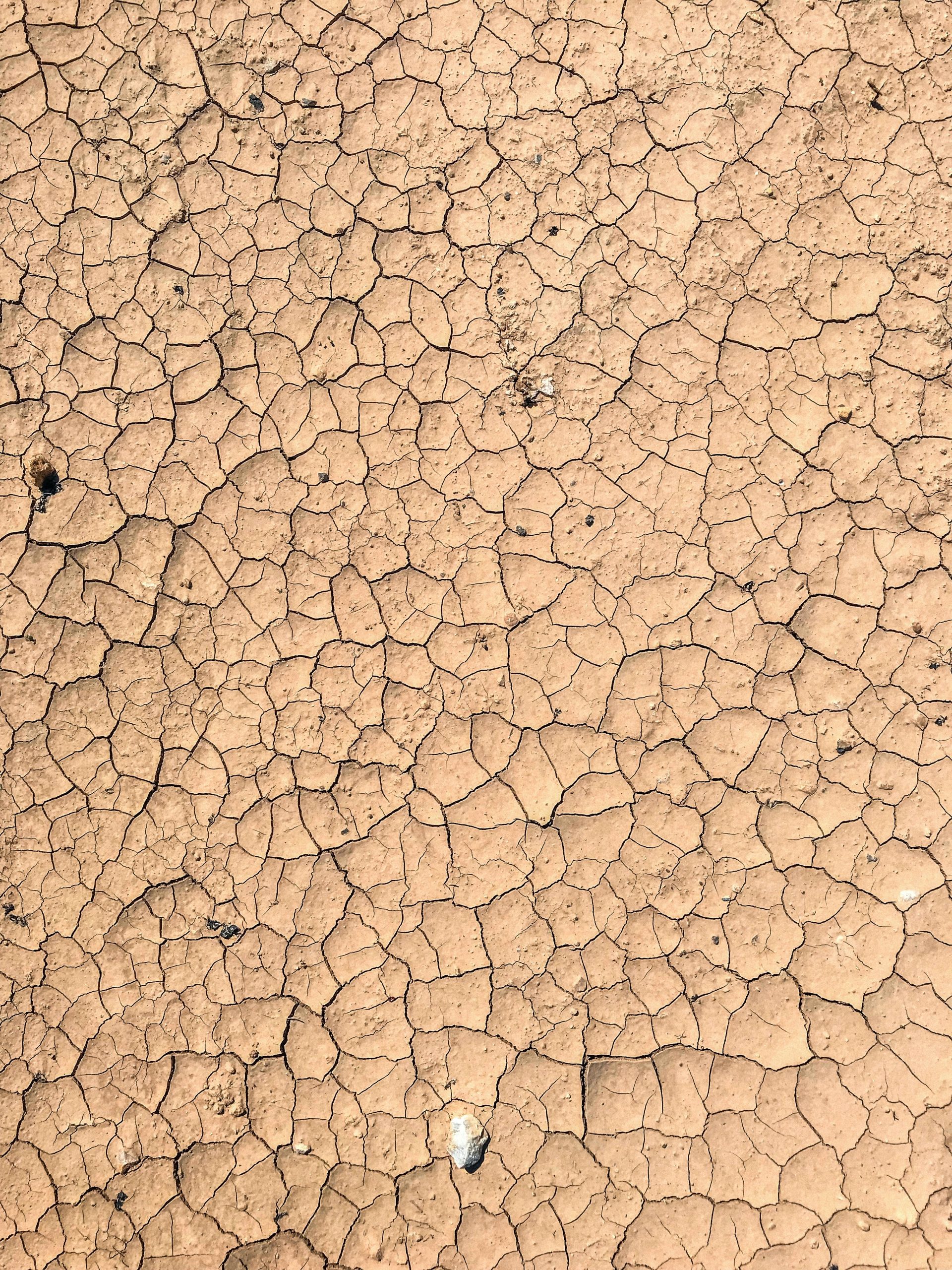
Climate change is no longer a distant threat. It has already begun to show its catastrophic effects on our planet, and droughts are one of the most devastating consequences. Droughts have become more frequent and severe in recent years, affecting agriculture, water resources, energy production, and human health worldwide. However, we cannot afford to sit back and watch as our planet suffers from this crisis. In this blog post, we will explore the impact of climate change on droughts around the world and discuss what actions we can take to mitigate their effects. Let’s dive in!
What is climate change?
Climate change refers to the long-term changes in temperature, precipitation patterns, and other environmental factors that result from human activities such as burning fossil fuels, deforestation, and industrial processes. The rise of greenhouse gases levels in the atmosphere trap heat from the sun causing global warming.
Climate change is not something new; Earth’s climate has gone through cycles of change for millions of years. However, what makes this current situation different is the unprecedented rate at which it is happening. Scientists agree that we are witnessing a significant acceleration of climate change due to human activities.
The effects of climate change are already being felt around the world with rising sea levels, more frequent extreme weather events like droughts and floods affecting populations globally. These impacts affect our health, livelihoods and impact food security.
It’s important to note that everyone can play their part in reducing emissions by adopting sustainable lifestyles while also promoting green initiatives within their communities.
What are the effects of climate change on agriculture?
Climate change has drastic impacts on agriculture, affecting both crop and livestock production. With rising temperatures and changing rainfall patterns, farmers face unpredictable growing seasons that disrupt their livelihoods. Extreme weather events such as floods, droughts or hurricanes can destroy crops or entire farms.
In addition to the physical damage caused by climate change, it also affects the productivity of soil and water resources. High temperatures worsen soil degradation and reduce its fertility over time, making it harder for crops to grow. Meanwhile, changes in precipitation patterns lead to less predictable availability of water resources for irrigation.
The rise in temperature is also causing an increase in pests and diseases which harm plants and animals alike. This leads to a decrease in yield production which can cause food price inflation around the world.
Small scale farmers are more vulnerable to these changes than large commercial-scale businesses because they have fewer resources or technology at their disposal that could help them adapt more quickly.
Climate change is threatening food security all around the globe as agricultural cycles become more uncertain due to erratic weather conditions affecting yields with potential long-term consequences on prices and supply chains worldwide.
What are the effects of climate change on water resources?
Climate change has significant effects on water resources, including alterations in the quantity and quality of water available for human consumption. One of the most visible impacts of climate change is changes in precipitation patterns. Some regions may experience more intense rainfall events while others will see a decrease in total annual rainfall.
These changes have implications for both surface and groundwater supplies, which are critical sources of drinking water for many communities around the world. Higher temperatures also lead to more evaporation, reducing overall water availability even further.
Climate change can also impact the timing and duration of snowmelt, leading to earlier peak flows and reduced streamflow during late summer months when demand is highest. This phenomenon poses a particular challenge for communities that rely heavily on mountain snowpack as their primary source of freshwater.
Moreover, rising sea levels caused by global warming result in saltwater intrusion into coastal aquifers or wells located near coastlines. This process makes freshwater uneconomical or unavailable due to high saline content.
Adaptation strategies must be put in place not only by individuals but also governments worldwide to efficiently manage mitigation efforts against climate change’s adverse effects on our precious water resources.
What are the effects of climate change on energy resources?
Climate change has a significant impact on energy resources, particularly in areas where hydropower is the primary source of electricity. Changes in precipitation patterns and increased evaporation due to warmer temperatures can lead to lower water levels in reservoirs, reducing the amount of electricity that can be generated from dams.
Additionally, extreme weather events such as hurricanes and heatwaves can damage power grids and disrupt energy supplies. This was evident during Hurricane Katrina when thousands were left without power for weeks after the storm.
Furthermore, climate change impacts oil and gas production by increasing the frequency and intensity of weather events like hurricanes which can cause oil spills or damage offshore drilling platforms. In addition, rising sea levels threaten coastal refineries leading to potential disruptions in supply chains.
Renewable energy sources such as solar and wind are also impacted by climate change with changing weather patterns affecting their capacity to generate consistent energy output. However, these technologies offer an opportunity for sustainable growth while meeting our energy needs without causing further harm to our environment.
What are the effects of climate change on human health?
Climate change has a significant impact on human health. The changing weather patterns and extreme heatwaves can lead to dehydration, heat exhaustion, and even death in vulnerable populations such as the elderly, young children, and those with pre-existing medical conditions. Additionally, air pollution caused by climate change can cause respiratory problems like asthma.
Climate change also affects mental health due to the stress of experiencing natural disasters or losing homes or loved ones due to them. This includes anxiety disorders such as post-traumatic stress disorder (PTSD) that people experience after exposure to traumatic events.
Moreover, changes in temperature and precipitation patterns affect food production which leads to malnutrition especially among vulnerable populations who depend heavily on subsistence agriculture for their livelihoods.
Finally yet importantly, vector-borne diseases like malaria are now spreading beyond tropical zones into new areas previously not affected by these illnesses while waterborne diseases become more common during floods which occur frequently due to climate change-induced heavy rainfall events.
Climate Change poses a serious threat to human life all over the world through its effects on physical health as well as mental wellbeing. It is therefore important that we take action towards mitigating this issue lest it becomes too late.
What are the responses to climate change?
Climate change is a global issue that requires collective action. There are several responses to climate change, ranging from individual efforts to policy changes at the national and international levels.
One of the most important actions individuals can take is reducing their carbon footprint. This includes using energy-efficient appliances, driving less or carpooling, eating a plant-based diet, and supporting renewable energy sources.
At the corporate level, companies can implement sustainable practices such as reducing waste production and investing in clean energy technology. Governments can also play a vital role by implementing policies that encourage renewable energy adoption while penalizing high emitting industries.
International collaboration is also necessary for fighting climate change. The Paris Agreement signed in 2016 was an essential step towards this goal as it set targets for countries to reduce their greenhouse gas emissions collectively.
Another response to climate change involves developing new technologies that help mitigate its effects. For example, carbon capture technology captures CO2 emissions from industrial processes before releasing them into the atmosphere.
Education on climate change must be prioritized so people understand how they contribute to it and what steps they can take individually or collectively to address it effectively.
There are many responses available but significant progress will only occur when these initiatives work together holistically toward reducing our environmental impact on earth’s ecosystems.
Conclusion
It is evident that climate change accelerates droughts around the world, leading to devastating effects on agriculture, water and energy resources, as well as human health. The increasing global temperatures are causing more severe weather patterns such as prolonged heatwaves and extreme rainfall events. However, there are several responses to mitigate these impacts of climate change.
One of the most effective ways is by reducing greenhouse gas emissions through sustainable practices such as renewable energy production and afforestation. Another way is by adopting efficient irrigation methods in agriculture, promoting water conservation techniques in households and industries, and developing early warning systems for drought management.
It is also essential to increase public awareness about the adverse effects of climate change on our planet’s ecosystems and encourage individual actions towards mitigating its impact.
Addressing climate change requires collective efforts from governments worldwide along with individuals’ active participation in creating a sustainable future for generations to come.





