


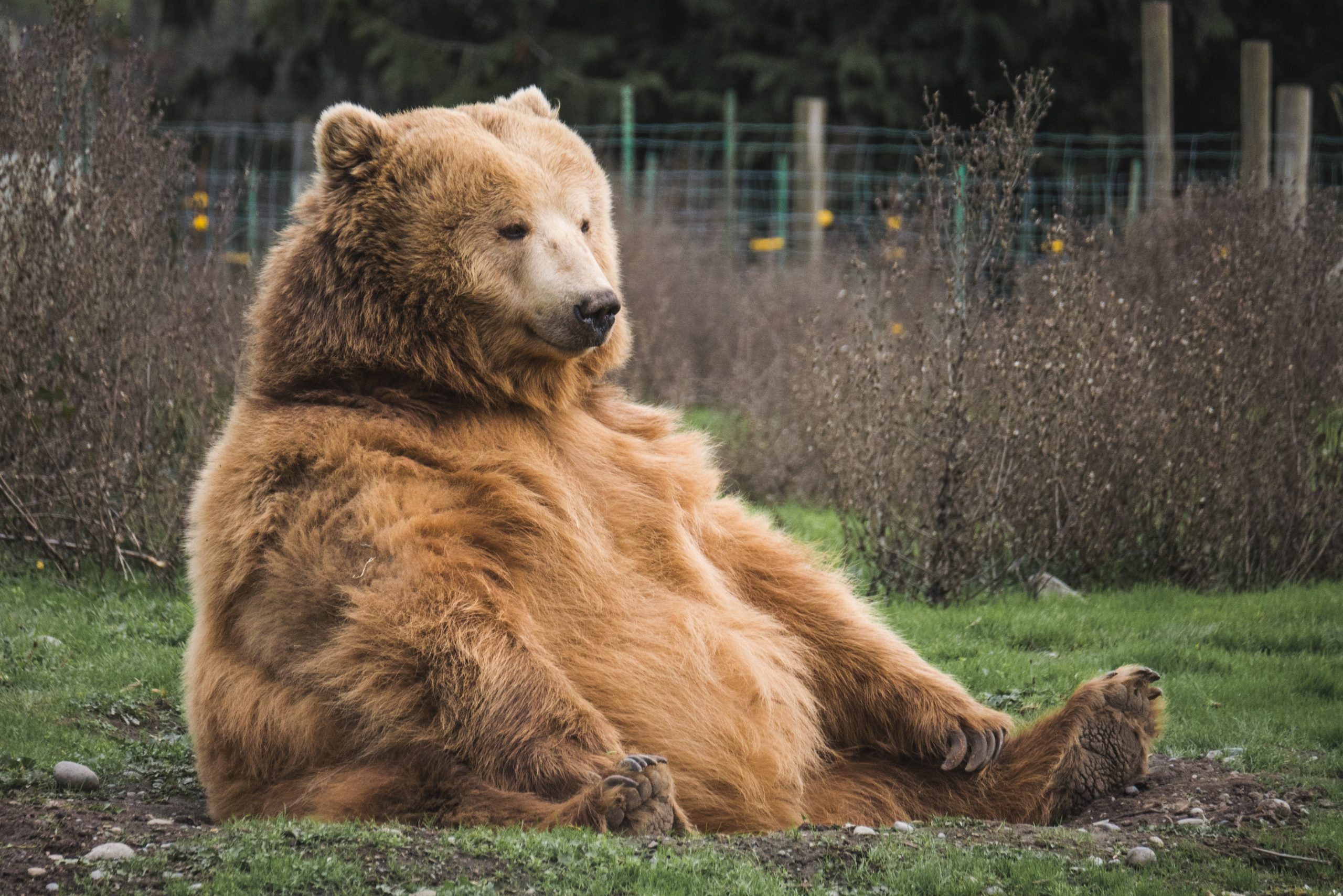

Studying Bear Behavior
- Pet and animal
- April 26, 2023
- No Comment
- 41
As humans, we have always been fascinated by the behavior of wild animals. Bears, in particular, have captivated our attention for centuries. Studying their behavior in the wild can not only help us better understand these magnificent creatures, but it can also provide valuable insights into conservation efforts.
One of the most important things we can learn from studying bear behavior is their role in the ecosystem. Bears play a crucial role in maintaining the balance of their habitat. As omnivores, they consume a variety of food sources, from plants to small animals. This means they can disperse seeds and help control populations of prey species. By studying their behavior in the wild, we can gain a better understanding of how their presence or absence can impact the ecosystem.
Another thing we can learn from studying bear behavior is their social dynamics. Contrary to popular belief, bears are not solitary creatures. They can form complex social relationships with other bears, and these relationships can have a significant impact on their behavior. For example, female bears with cubs may form alliances with other females to protect their young. By studying these social dynamics, we can gain insight into how bears communicate and interact with one another.
Studying bear behavior can also help us better understand their response to environmental changes. As climate change continues to affect our planet, it is essential to understand how wild animals, including bears, are adapting. For example, some studies have shown that polar bears are altering their feeding behavior due to changes in sea ice. By studying how bears respond to these changes, we can develop better conservation strategies to protect their populations.
Moreover, studying bear behavior can provide valuable insights into human-wildlife conflict. As humans continue to expand into natural habitats, conflicts between humans and bears are becoming increasingly common. By studying bear behavior, we can gain insight into why these conflicts occur and how to prevent them. For example, understanding bear feeding patterns can help us develop strategies to reduce bear encounters in urban areas.
In conclusion, studying bear behavior in the wild can provide valuable insights into their role in the ecosystem, social dynamics, response to environmental changes, and human-wildlife conflict. By gaining a better understanding of these aspects, we can develop better conservation strategies to protect these magnificent creatures. However, it is important to note that studying wild animals requires a commitment to ethical research practices and respect for their habitat.





