


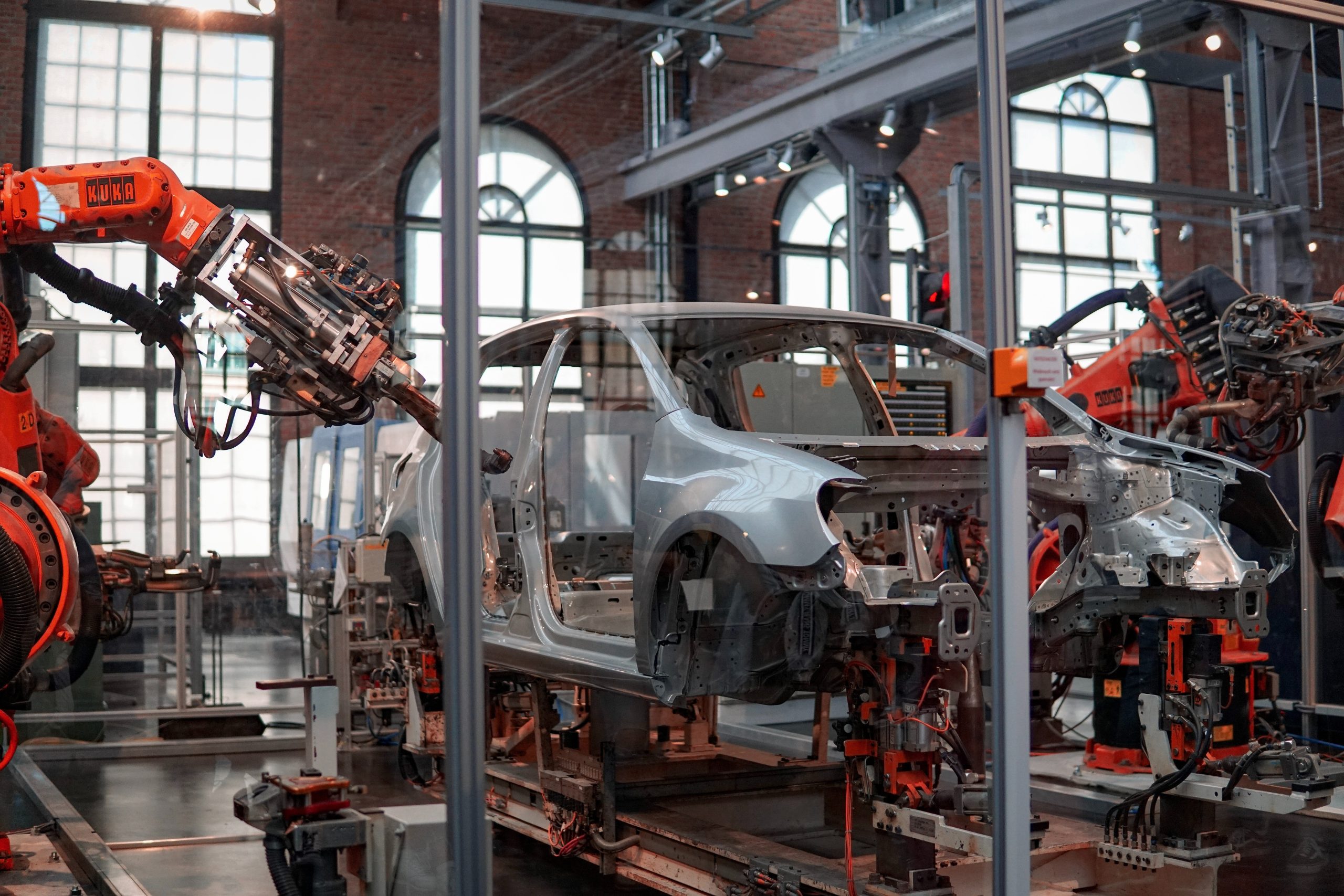

Revolutionizing the Road: The Latest Advances in Automotive Technology
- Science
- April 22, 2023
- No Comment
- 40
The automotive industry is undergoing a massive transformation, with cutting-edge technology driving innovation like never before. From self-driving cars to electric vehicles and connected car-sharing services, the latest advances are revolutionizing the way we think about transportation. In this blog post, we’ll take a closer look at these exciting developments and explore what they mean for the future of mobility. So buckle up and get ready to discover how technology is transforming our roads!
Self-driving cars
Self-driving cars are no longer a thing of the future, they are now a reality. These vehicles use cutting-edge technology to navigate roads and highways without human intervention. With sensors, cameras and artificial intelligence, self-driving cars can detect obstacles in their path and make split-second decisions to avoid accidents.
One of the biggest advantages of self-driving cars is safety. They have the potential to drastically reduce traffic fatalities by eliminating driver error. Self-driving cars also offer greater mobility for those who cannot drive due to age or disability.
Another benefit is efficiency. Self-driving cars could optimize routes and reduce congestion on busy roads, leading to less time wasted in traffic jams.
However, there are still concerns around cybersecurity and liability in case of accidents involving self-driving cars. It will take time for regulations governing this new technology to catch up with its rapid development.
While there may be some challenges ahead for self-driving car adoption, it’s clear that this exciting technology holds enormous promise for transforming transportation as we know it today.
Electric cars
Electric cars have been around for a while, but recently they have become more popular due to the increasing demand for environmentally friendly transportation options. One of the biggest advantages of electric cars is that they produce zero emissions, which makes them an excellent choice for those who are concerned about climate change and air pollution.
Another advantage of electric cars is that they are much cheaper to operate than traditional gasoline-powered vehicles. While an electric car may cost more upfront, it can save you thousands of dollars over its lifetime in fuel costs alone. Electric cars also require less maintenance since they do not have as many moving parts as internal combustion engines.
One common concern with electric cars is their range or how far they can travel on a single charge. However, advances in technology continue to increase these ranges and decrease charging times. Some newer models can now drive up to 300 miles on a single charge and fast-charging stations allow for quick recharging during long road trips.
Electric cars offer numerous benefits including lower operating costs and reduced environmental impact. As technology continues to improve, we will likely see even more innovative features added to these vehicles making them even more desirable for consumers looking for sustainable transportation options.
Connected cars
Connected cars are becoming increasingly popular in the automotive industry. Essentially, these vehicles use wireless communication technology to connect with other devices and services both inside and outside of the car.
One major benefit of connected cars is improved safety features. For example, some models can alert emergency services if a crash occurs, while others have systems that monitor driver behavior and provide feedback on how to improve driving habits.
Another advantage is convenience: drivers can access real-time traffic information, weather updates or even control certain aspects of their vehicle remotely via an app or voice commands.
Moreover, connected cars also offer entertainment options such as streaming music or videos from various platforms directly onto the car’s dashboard display.
It’s clear that connected cars represent a significant step forward for automotive technology – providing benefits in terms of safety, convenience and entertainment alike.
Car-sharing services
Car-sharing services have become increasingly popular in recent years, providing a convenient and cost-effective way for people to get around without owning their own car. These services allow users to rent a vehicle by the hour or day, often through a mobile app.
One of the main benefits of car-sharing is its affordability. Users only pay for the time they actually use the car, rather than having to cover the costs of ownership like insurance, maintenance and parking fees. This makes it an attractive option for those who don’t need a car on a daily basis.
Car-sharing also has environmental benefits as it reduces the number of cars on the road, decreasing congestion and air pollution. In addition, many car-sharing companies offer electric or hybrid vehicles which further reduce carbon emissions.
Another advantage of car-sharing is its convenience. With vehicles located throughout urban areas, users can quickly and easily access transportation when they need it without worrying about finding parking or returning it to a specific location.
While traditional car ownership remains prevalent in many parts of the world, services like car-sharing are revolutionizing how people think about getting from point A to point B – offering flexibility and affordability that was previously unheard-of.
The future of automotive technology
As technology continues to advance, the future of automotive technology looks bright. One area that is set to grow in the coming years is connected cars. With 5G networks becoming more widely available, cars will be able to connect seamlessly with other devices and infrastructure. This means drivers can enjoy a host of new features such as real-time traffic updates, route optimization, and automated parking.
In addition to this, self-driving cars are expected to become much more common on our roads over the next decade. Not only do they offer greater convenience for drivers but they also have the potential to significantly reduce road accidents caused by human error.
Another trend we’re likely to see is an increase in electric vehicles (EVs). As governments around the world look for ways to reduce carbon emissions and tackle climate change, there has been a significant push towards EV adoption with many car manufacturers investing heavily in developing their own models.
We may also see further developments in car-sharing services which have already proven popular among younger generations who place less emphasis on ownership and value access over possession. These services could provide an affordable way for people living in urban areas without easy access to public transport or those looking for an alternative mode of transportation.
There’s no doubt that automotive technology is set for some exciting changes over the coming years – it’s just a case of waiting patiently until these innovations come into fruition!
Conclusion
The automotive industry is evolving at a rapid pace, with new technological advancements being introduced every year. From self-driving cars to electric vehicles, and from connected cars to car-sharing services, the future of the automobile looks bright.
As we embrace these advances in technology, it’s important to remember that they come with some challenges as well. The adoption of self-driving cars and electric vehicles will require changes in infrastructure and regulations. Connected cars raise concerns about privacy and security.
However, despite these challenges, the benefits are clear: increased safety on roads thanks to autonomous driving systems; reduced emissions and cleaner air due to electric powertrains; improved convenience through vehicle connectivity; greater flexibility for transportation needs through car-sharing services.
Revolutionizing the road through advanced automotive technology will bring significant changes not only in our daily lives but also in society as a whole. As we look forward to what’s next for this exciting industry, let us also remain mindful of how we can make these innovations work best for everyone involved.





