



Separating Fact
- Pet and animal
- April 21, 2023
- No Comment
- 37
it’s important to dispel myths and misconceptions surrounding various topics. One such topic is sharks. For decades, sharks have been portrayed in movies and TV shows as vicious killers, which has led to many people fearing them. However, the truth is that these creatures are not the ruthless predators that they are often made out to be. Here’s a look at some of the misconceptions about sharks and the truth behind them.
Misconception 1: All sharks are man-eaters.
This is one of the most common misconceptions about sharks. The truth is that only a handful of shark species are known to attack humans. According to the International Shark Attack File, there were 64 confirmed unprovoked shark attacks on humans in 2019, with only two of them being fatal. While any attack is tragic, the number of shark attacks is relatively low considering the millions of people who swim in the ocean each year.
Misconception 2: Sharks are mindless killing machines.
Contrary to popular belief, sharks are actually highly intelligent creatures. They have the ability to learn, adapt, and problem-solve. For example, some sharks have been observed using teamwork to catch prey, while others have been known to use tools to access food. In fact, some species of sharks have been found to have more complex social structures than previously thought.
Misconception 3: Sharks are indiscriminate feeders.
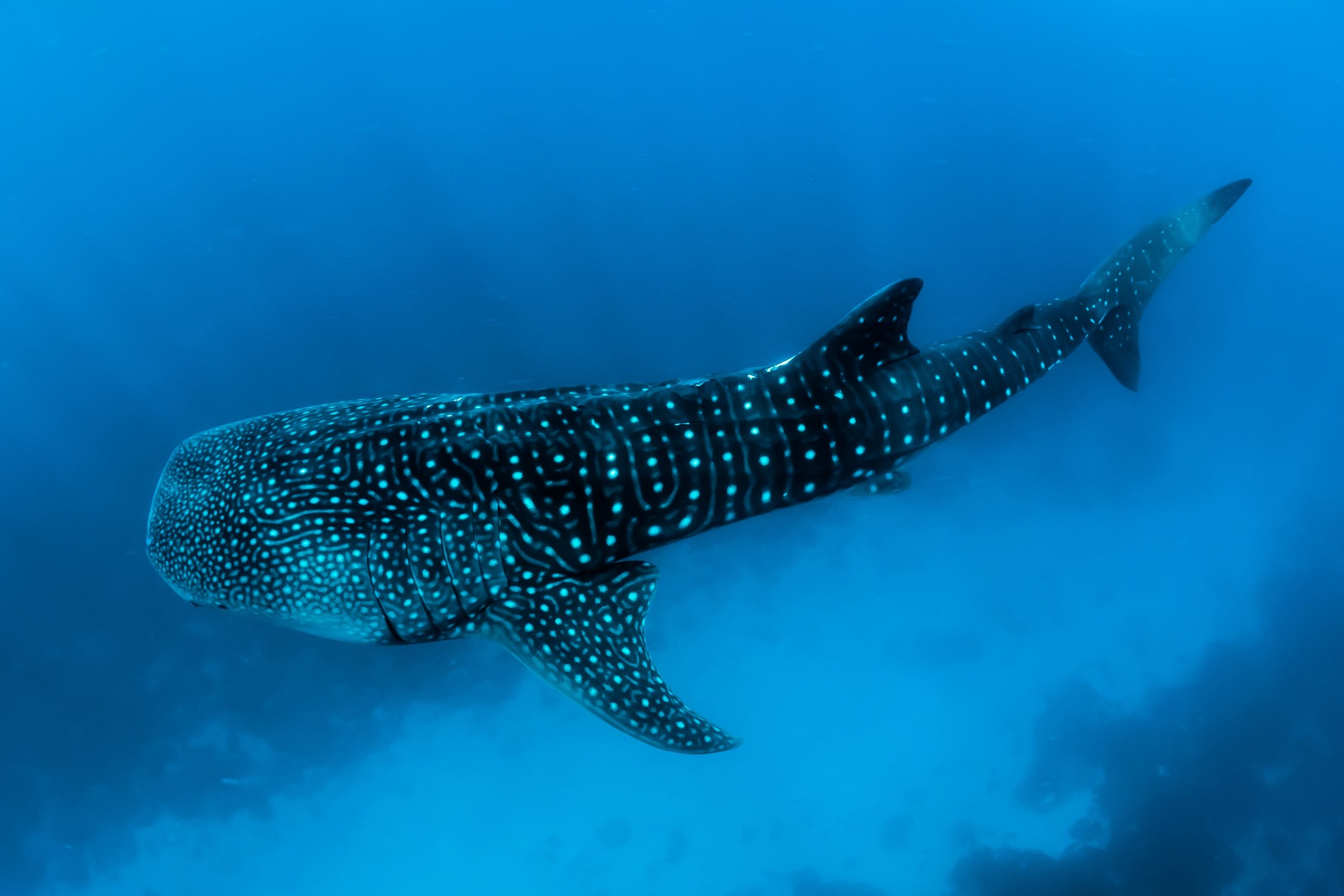
Sharks are often portrayed as being indiscriminate feeders, devouring anything in their path. While it’s true that some species of sharks will eat almost anything, others have very specific diets. For example, whale sharks are filter feeders that consume only plankton, while tiger sharks have been known to eat sea turtles, fish, and even garbage.
Misconception 4: Sharks are aggressive towards humans.
The truth is that sharks are not naturally aggressive towards humans. Most shark attacks are the result of mistaken identity, with the shark mistaking a human for its natural prey. In some cases, attacks are the result of the shark feeling threatened or provoked. By taking certain precautions, such as avoiding swimming in areas known to have high shark populations and refraining from wearing shiny objects in the water, humans can greatly reduce their risk of a shark attack.
Misconception 5: All sharks are endangered.
While some species of sharks are endangered due to overfishing and habitat destruction, not all sharks are in danger. In fact, some species, such as the spiny dogfish and the bamboo shark, are actually quite abundant. However, it’s important to note that the decline of certain shark species can have a ripple effect on the ocean ecosystem, as they are apex predators that play an important role in regulating other populations.
In conclusion, sharks are fascinating creatures that play an important role in the ocean ecosystem. By understanding the truth about them and dispelling misconceptions, we can learn to coexist with these creatures and protect them for future generations to enjoy.





