


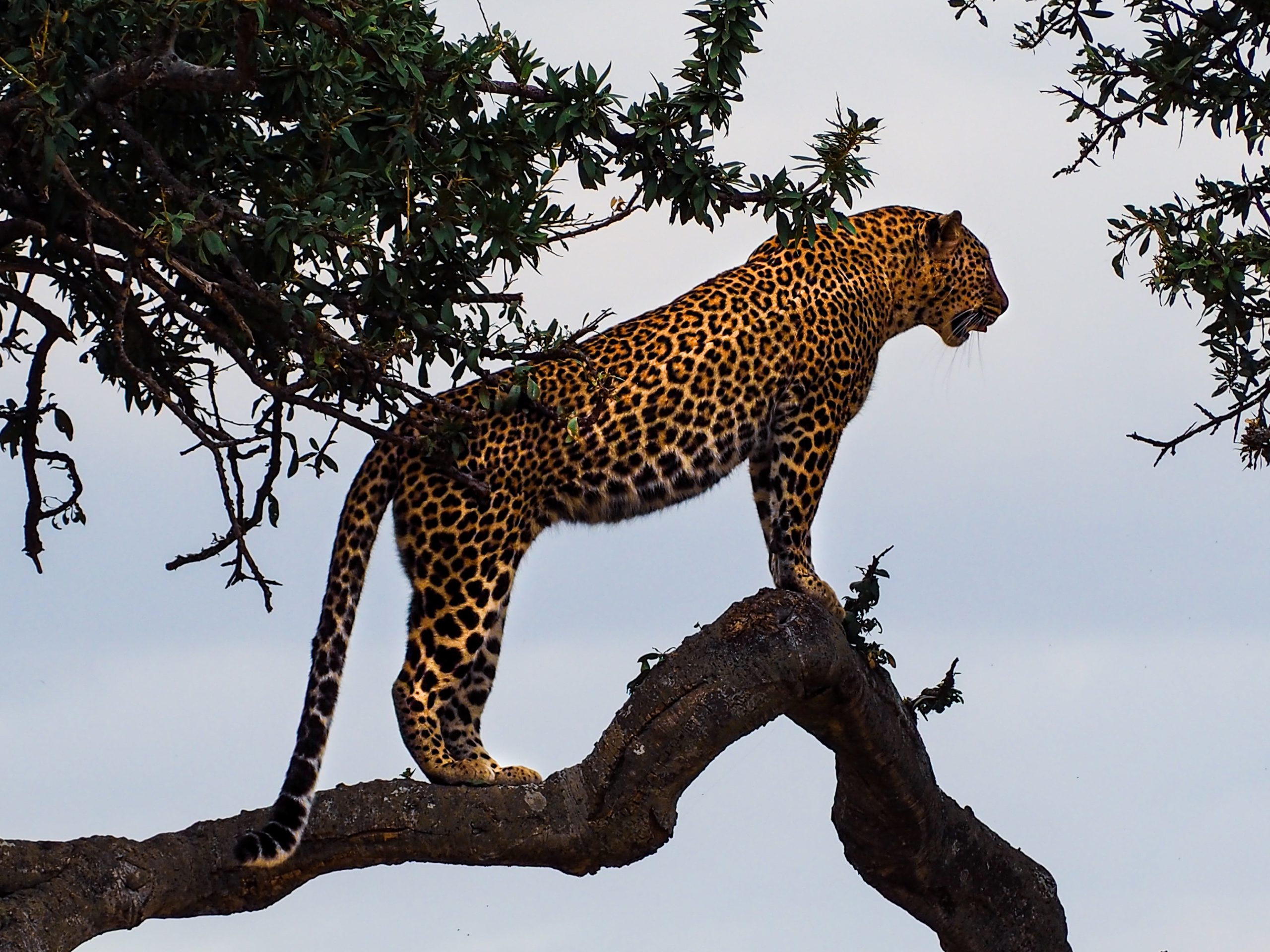

Jaguar’s Powerful Roar
- Pet and animal
- April 21, 2023
- No Comment
- 41
The jaguar is a large, powerful predator that is found throughout much of the Americas, from the southern United States to northern Argentina. It is an elusive and solitary animal, but recent research has shed new light on the communication and social behavior of this majestic big cat.
One of the most striking features of the jaguar is its powerful roar. Jaguars have a distinctive deep-chested roar that can be heard from over a mile away. Scientists believe that this roar is used primarily for communication, both to establish territory and to attract mates. Jaguars are known to be very territorial animals, and their roars can serve as a warning to other jaguars to stay out of their territory. In addition, male jaguars may use their roars to attract females during breeding season.
While jaguars are generally solitary animals, they do have some social behavior. Jaguars are known to mark their territory with scent marks and claw marks, and they may also leave vocalizations, such as growls or roars, to communicate with other jaguars. Females with cubs may share their territory with other females and their cubs, but male jaguars are generally more solitary and territorial.
Recent studies have also shown that jaguars may have more complex social behavior than previously thought. In one study, researchers observed a group of jaguars in the Amazon rainforest and found that they had a hierarchical social structure. The researchers observed that the jaguars interacted with each other in complex ways, such as avoiding confrontation with higher-ranking jaguars and seeking out the company of lower-ranking ones.
However, despite their fascinating social behavior, jaguars are facing many threats to their survival. Habitat loss, fragmentation, and poaching are all major threats to jaguar populations throughout their range. Many conservation organizations are working to protect jaguars and their habitat, but much more needs to be done to ensure the survival of this majestic predator.
In conclusion, the jaguar’s powerful roar is just one aspect of its fascinating communication and social behavior. While jaguars are generally solitary and territorial, recent studies have shown that they may have more complex social structures than previously thought. However, the survival of these majestic predators is under threat, and it is up to all of us to work together to protect them and their habitat for generations to come.





