



From Droughts to Efficiency: The Role of Science in Optimizing Irrigation Practices for Farmers
- Science
- April 20, 2023
- No Comment
- 41
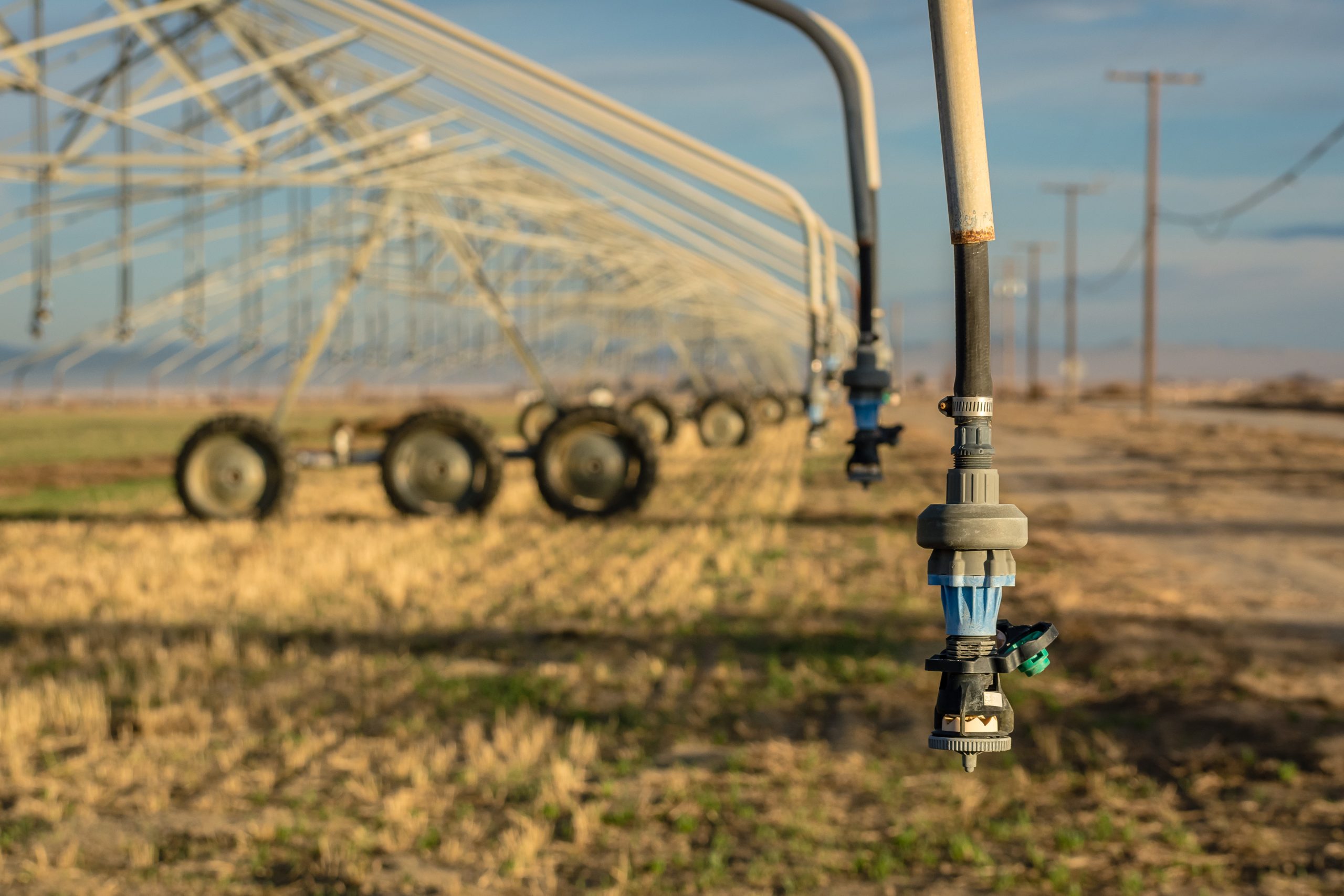
Water is essential for life and agriculture, yet the global water crisis continues to worsen. With climate change exacerbating droughts in many parts of the world, farmers are struggling to maintain their crops and livelihoods. However, science has played a crucial role in optimizing irrigation practices to help farmers make the most out of their limited water resources. In this blog post, we’ll delve into how science is helping farmers combat droughts through efficient irrigation practices that maximize crop yields while conserving water.
The global water crisis
Water is one of our planet’s most precious resources, yet it is becoming increasingly scarce. According to the United Nations, more than two billion people worldwide lack access to safe drinking water. This scarcity has far-reaching consequences, particularly in agriculture.
Agriculture accounts for around 70% of global freshwater usage, making it a major contributor to the water crisis. As populations grow and climate change intensifies droughts in many parts of the world, farmers are struggling to maintain their crops and livelihoods.
The problem isn’t just limited to developing countries; even developed nations face significant challenges when it comes to managing water resources sustainably. In fact, some areas of California have been experiencing severe drought conditions for years.
The global water crisis demands urgent action from all stakeholders – governments, businesses, individuals – if we want to avoid dire consequences such as food shortages and social unrest. Science can play a crucial role in helping us optimize our use of this vital resource through smart irrigation practices that maximize yields while minimizing waste.
The role of science in optimizing irrigation practices
The role of science in optimizing irrigation practices cannot be overstated. As water becomes an increasingly scarce resource, it is essential that farmers use it as efficiently as possible. This is where science comes in.
Scientists are constantly researching and developing new technologies to help farmers optimize their irrigation practices. For example, sensors can now be placed in fields to detect moisture levels and adjust watering accordingly. Drones can also be used to monitor crop health and identify areas that may need more or less water.
In addition, scientists are working on developing crops that require less water without sacrificing yield. Through genetic modification and selective breeding, plants are being developed with deeper root systems that can access water from greater depths.
Science is also helping farmers better understand soil structure and composition, which can have a significant impact on how much water a crop needs. By analyzing soil samples, researchers can determine the best type of irrigation system for a particular field.
All these advancements made by science have helped farmers optimize their irrigation practices resulting in higher yields using lesser amounts of resources like land acreage or fertilizers thereby reducing costs while still producing high-quality yields for consumers all over the world.
Droughts and their impact on farmers
Droughts have been a major issue for farmers around the world for centuries. The severity of droughts has only increased in recent years due to climate change, leaving many farmers struggling to keep their crops alive. Drought can cause soil degradation and lower crop yields, leading to financial losses for farmers.
Farmers who rely on irrigation systems are particularly vulnerable during periods of drought as water sources may dry up or become too expensive to access. Inadequate water supply can lead to reduced harvest quality and quantity, impacting both the livelihood of the farmer and the global food supply chain.
Drought also impacts livestock farming as it leads to limited grazing resources, which results in shortages of animal feed that could lead to malnutrition among animals. Furthermore, it causes scarcity in drinking water which poses health risks not just for animals but also humans.
The effects of drought go beyond loss of income; they affect families’ mental well-being as well. Farmers experience anxiety and depression while coping with these extreme weather events. It’s no wonder that higher rates of suicide were observed among farmers compared than any other occupation.
Droughts can have devastating impacts on agricultural communities around the globe leading not just economic but social issues related difficulties such as poverty or even death by suicide amongst farmers due excessive stress caused by these natural disasters.
How to optimize irrigation practices for farmers
Optimizing irrigation practices is essential for farmers to reduce water waste and increase crop yield. Here are some ways that science can help farmers optimize their irrigation practices.
Firstly, farmers can use soil moisture sensors to determine the optimal time for watering crops. Soil moisture sensors provide real-time data on soil water content, allowing them to avoid overwatering or underwatering their crops.
Secondly, drip irrigation systems can be installed instead of traditional flood irrigation. Drip irrigation delivers water directly to the plant roots in small doses, minimizing evaporation and runoff while maximizing efficiency.
Thirdly, precision agriculture techniques such as remote sensing and mapping can be used to identify areas with varying soil types and topography. This information helps farmers adjust their irrigation practices based on specific field conditions.
Implementing conservation tillage methods like reduced tillage or no-till farming reduces soil disturbance which improves the ability of soil to retain moisture thus reducing the need for more frequent irrigations
By optimizing their irrigation practices through these methods mentioned above with support from science-based research in Agriculture , farmers will ultimately save costs due by using only necessary amount of water needed while increasing overall crop yields significantly.
Conclusion
The global water crisis is a major issue that affects everyone on our planet. Farmers are especially affected by droughts and water shortages, which can have devastating effects on their crops and livelihoods. However, science has played an important role in optimizing irrigation practices for farmers.
By using advanced technologies like soil moisture sensors and drip irrigation systems, farmers can now conserve water while still achieving high crop yields. It’s crucial that we continue to invest in research and development of new irrigation techniques so that we can sustainably meet the growing demand for food while also protecting our precious water resources.
Ultimately, it’s up to all of us to make sure that we’re doing our part to conserve water whenever possible. By making small changes in how we use this valuable resource at home and supporting sustainable farming practices, we can all contribute to creating a healthier world for future generations.





