



5 Key Trends Shaping the Future of Telecom Regulation in the United States
- Internet and Telecom
- March 24, 2023
- No Comment
- 41
The world of telecommunications is constantly evolving and the regulatory landscape that governs it is no exception. As technology continues to advance, so do the rules and guidelines put in place by the government agencies tasked with overseeing this vital industry. With 5G networks, artificial intelligence, and other groundbreaking technologies on the horizon, it’s more important than ever to understand how telecom regulation in the United States is shifting to keep pace with these rapid changes. In this blog post, we’ll explore five key trends shaping the future of telecom regulation – from net neutrality to spectrum management – and what they mean for consumers, businesses, and policymakers alike. So grab your phone (or laptop) and let’s dive into this exciting topic!
The Rise of 5G
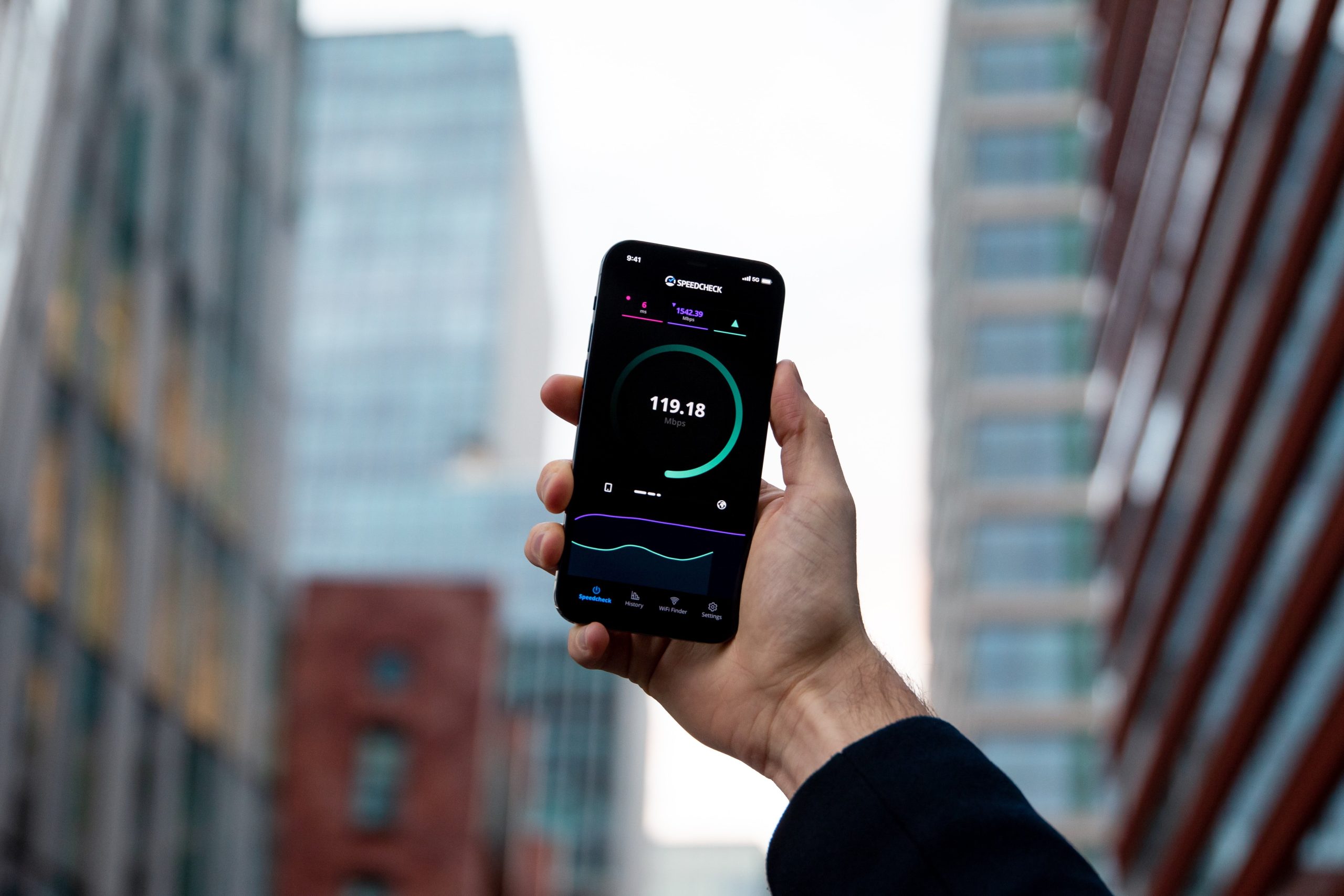
5G is the fifth generation of mobile telecommunications technology. It is expected to have faster speeds and wider coverage than 4G, with the potential to enable new applications such as self-driving cars and increased Internet of Things (IoT) connectivity.
Some regulatory issues that will be relevant to 5G include: spectrum allocation, consumer protection, wireless infrastructure deployment, and cyber safety. Spectrum allocation will be critical in order to make sure that 5G networks can operate effectively and without interference from existing wireless services. Consumer protection concerns may arise if consumers experience reduced service quality or latency due to crowded airwaves. Wireless infrastructure deployment will be necessary in order to build out 5G networks in populated areas; this could involve building new towers or expanding network coverage through the use of drones or other technologies. Cyber security concerns will likely increase as 5G becomes more widespread; operators will need to address vulnerabilities in their networks before they are exploited by criminals.
The Impact of AI and Robotics on Telecom
1. Robotics and artificial intelligence are rapidly changing the way telecom service providers operate, and regulators must quickly adapt to keep up.
2. Telecom companies will increasingly rely on automation and AI to provide customer service and manage their networks.
3. The FCC is currently revising its regulations in order to account for these changes, and other global regulators are likely to follow suit.
4. There are also legal issues that telecom companies will need to consider as they adopt these technologies, including privacy concerns and potential antitrust lawsuits.
The Future of Telecom Regulation in the U.S
The future of telecom regulation in the United States is one that will be dominated by several key trends. The first of these is the growth of broadband internet access and mobile services, which are resulting in new types of consumer abuses and regulatory challenges. The second is the increasing use of technology to monitor and regulate telecommunications networks. Finally, policymakers are grappling with the implications of globalization for U.S. telecom regulation.
1. The Growth of Broadband Internet Access and Mobile Services
One of the most significant trends shaping telecom regulation in the United States is the growth of broadband internet access and mobile services. These services have resulted in a number of new consumer abuses, such as spam text messages, deceptive phone marketing schemes, and unauthorized use of cellular service. At the same time, they are also presenting new regulatory challenges, such as how to enforce anti-spam policies across different platforms and how to prevent unauthorized use of cellular service.
2. Technology Used to Monitor and Regulate Telecommunications Networks
Technology has also become an important tool for regulators trying to monitor and regulate telecommunications networks. For example, network operators now routinely monitor traffic flows on their systems in order to detect abusive behavior or illicit activity (such as online piracy). In addition, network operators are increasingly using algorithms to manage traffic congestion on their systems, which can help ensure that users receive reasonable speeds while minimizing disruptions during peak hours.
3. The Implications of Globalization for Telecom Regulation in the U.S.
The Impact of Streaming Services on Telecom
The impact of streaming services on telecom is changing the way people consume content. These companies are disrupting the industry by offering a different type of service that does not require a traditional subscription. This has led to questions about how these companies should be regulated.
One issue that has come up is how these companies should be taxed. Streaming services do not fall under the definition of telecom, so they are not subject to regulations that were put in place specifically for this sector. Some have argued that the government should tax these companies as part of their overall revenue stream, while others believe that they should not be taxed at all since they are providing a service that was not previously available.
Another issue that is currently being discussed is net neutrality. The concept of net neutrality is the idea that all traffic on the internet should be treated equally. This means that no provider can prioritize certain types of traffic over others. In theory, this would allow consumers to access any website or application they want without having their data slowed down or interrupted.
However, streaming services are threatening net neutrality because they offer a high-quality experience that cannot be matched by regular television broadcasts. Because streaming services use up more bandwidth than traditional television, ISPs could start slow down or block traffic from these services in order to congest the network for other users. This could lead to an imbalance in the market where only certain providers can offer a high-quality experience and set a precedent for further regulation of telecoms in the future.
Conclusion
As the telecom industry continues to evolve and grow, it is apparent that new regulations will need to be put in place in order maintain fair competition and protect consumers. Here are five key trends shaping the future of telecom regulation in the United States.





