



Surviving Spring: An Allergist’s Guide to Beating Seasonal Allergies
- health
- March 24, 2023
- No Comment
- 35
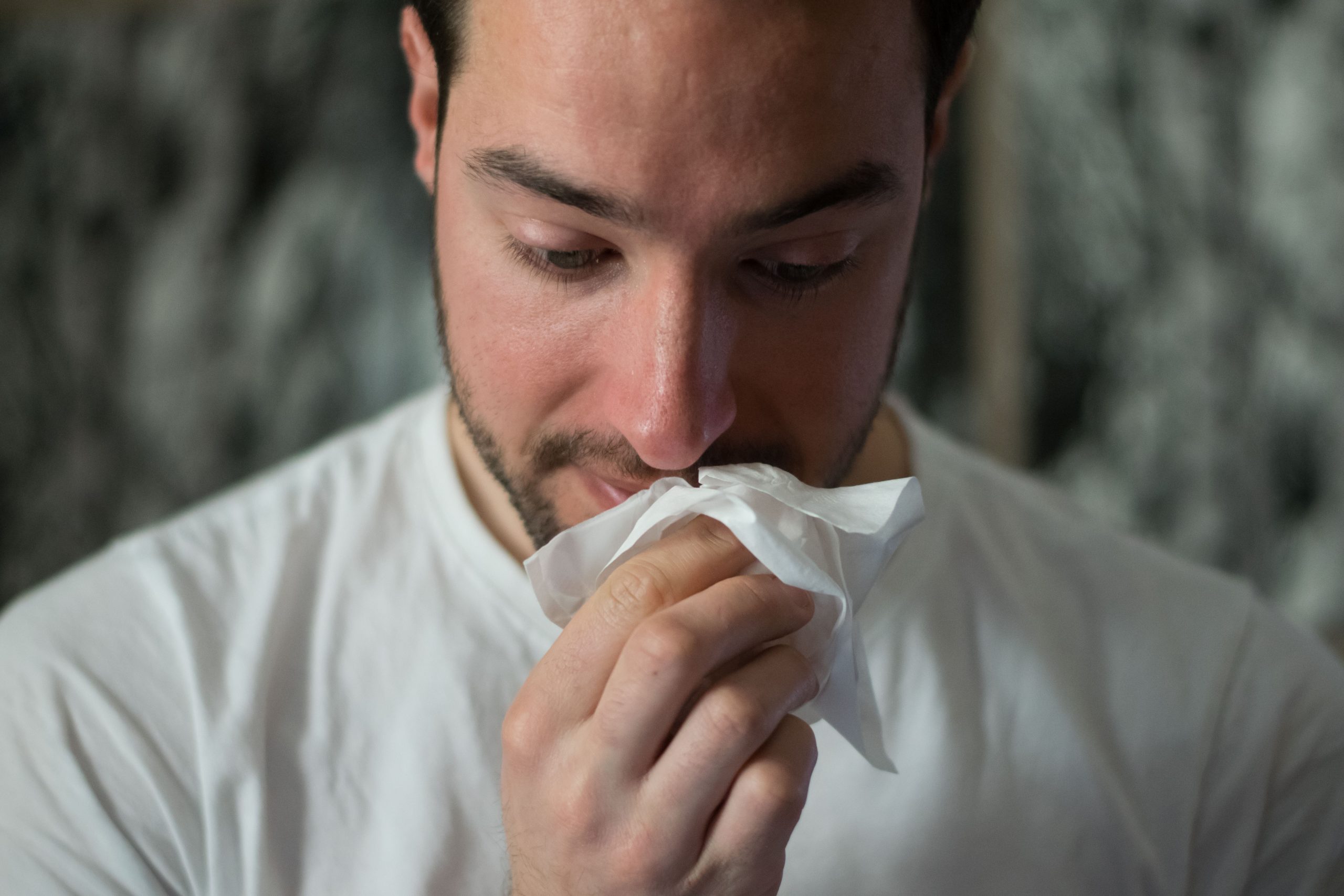
Spring is in full bloom, and while many of us look forward to the warmer weather and longer days, for some it can be a nightmare. Seasonal allergies are all too common during this time of the year; they can leave you feeling miserable with symptoms ranging from sneezing and watery eyes to difficulty breathing. But fear not! As an allergist, I am here to guide you through surviving spring by providing tips on how to beat those pesky allergies once and for all. So sit back, relax, and get ready to enjoy everything that spring has to offer without the sniffles or side effects!
What are Seasonal Allergies?
Seasonal allergies are seasonal responses to specific allergens, such as pollen, grasses, tree needles, and cats. Symptoms can vary depending on the person, but they usually include sneezing, a runny nose, watery eyes or itchy skin. Sufferers should keep a record of their symptoms each season in order to better understand which allergens trigger them and take steps to avoid them.
Types of Allergies
There are several types of allergies, including environmental allergies, food allergies, latex allergies and grass allergies. Environmental allergies are caused by things like pollen, dust mites or pets. Food allergies are caused by ingesting things like eggs, fish or milk. Latex allergy is caused when the person comes into contact with latex products, such as gloves or condoms. Grass allergies can be caused by exposure to certain types of grasses.
Spring Allergies: What to Watch For
Spring is a time of rebirth and new beginnings, but for some people, it can also be a time of year when their allergies flare up. Springtime allergies can be difficult to predict and manage, but with a little planning and awareness, you can beat them in stride. Here are some tips from an allergist on how to survive spring:
1. Keep your environment clean. Pollen and other allergens are most concentrated in the air during springtime, so keeping your home clean will help reduce exposure to these particles. Clear filters on ventilation systems and regularly washed walls and floors can also help keep pollen levels down.
2. Stay away from grasses. Grasses are one of the main sources of allergy-causing proteins in the environment. Try to avoid areas where grass is grown closely or mowed close to the ground, as this will increase your exposure to pollen levels. If you do have to go outside in areas where grass is growing, wear long-sleeved clothing and avoid touching your eyes or nose while outdoors.
3. Be aware of food allergies. Many people suffer from food allergies during springtime because trees start blooming with new flowers that contain allergenic molecules. Watch for signs that you may have a food allergy – such as hives or swelling – and avoid foods that make you sick if they cause an allergic reaction in you.”
Fall Allergies: What to Watch For
Fall allergies are a common problem, and one that can be difficult to avoid. Here are some tips from an allergist on how to beat seasonal allergies:
-Take probiotics: Probiotics help to populate the gut with good bacteria, which can help to decrease inflammation and improve allergy symptoms. Try taking a supplement with 10 billion probiotics per day for three months before the fall season starts.
-Avoid triggers: It’s important to know what triggers your allergies, as avoiding them will help you reduce your overall exposure. Common allergens include pollen, tree nuts, soy, cats, dogs, and dust mites. Learn which of these trigger your seasonal allergic reactions, and try to avoid them as much as possible during peak allergy season.
-Eat local foods: Seasonal allergies can be worsened by eating processed or packaged foods. Instead of eating out or buying pre-packaged food items, cook at home using fresh ingredients sourced from local farms. This will help reduce your overall exposure to allergens.
-Get exercise: Exercise has many benefits for overall health and can also improve allergy symptoms in some people. In addition to helping clear congestion and boost energy levels, exercise can also improve air flow throughout the body and promote better sleep habits – both of which can be helpful in managing seasonal allergies.
Winter Allergies: What to Watch For
There are many things to watch for when it comes to allergies in the winter season. Winter allergens can include dust mites, tree pollen, mold spores, and animal dander. Allergies can be worsened by having colds or the flu, spending time indoors, and using air conditioning. It is important to keep your immune system up during the winter by getting plenty of exercise, eating a balanced diet, and avoiding tobacco smoke. If you have any questions about what to watch for when it comes to your allergies or how to best deal with them during winter season, please don’t hesitate to contact your allergist.
Prevention Tips for Allergists
If you’re an allergist, chances are you know all about seasonal allergies. And, if you’re like most people, you’ve probably tried a few different ways to prevent them. But no matter how much you try, some allergy symptoms always seem to show up in springtime.
Here are some tips from an allergist on how to beat seasonal allergies:
1. Make sure your home is allergy-free. This may sound obvious, but it’s important to clean everything that comes into contact with your skin – floors, carpets, furniture – thoroughly and often. Allergies can start from tiny particles in the environment and multiply over time if they’re not cleaned up properly.
2. Keep your air quality good. Pollen is the allergen that triggers allergies in most people, so make sure your windows and doors are well sealed and keep a dust mask handy when indoors if you’re sensitive to pollen.
3. Drink plenty of fluids. Dehydration can lead to increased sensitivity to allergens and other problems such as headaches and fatigue. Make sure you’re drinking enough water throughout the day rather than just before bedtime or during strenuous workouts because dehydration occurs at different rates during the day..
4. Eat healthy foods that aren’t high in allergens. elimating processed foods and sugary drinks from your diet can help reduce your overall exposure to allergens.. Avoid getting sick by eating a balanced diet that includes plenty of anti
Conclusion
Spring is the time of year when allergies can really take hold. For many people, this means suffering from sneezing, watery eyes, and a myriad of other symptoms. If you are one of these unlucky individuals, there is good news: with a little preparation and some knowledge about allergens, you can beat spring allergies! This guide will teach you about the allergy season and what to do to avoid or treat pollen and other allergen triggers. Armed with this information, you will be able to weather the storm and reach for that sunscreen with confidence.





