


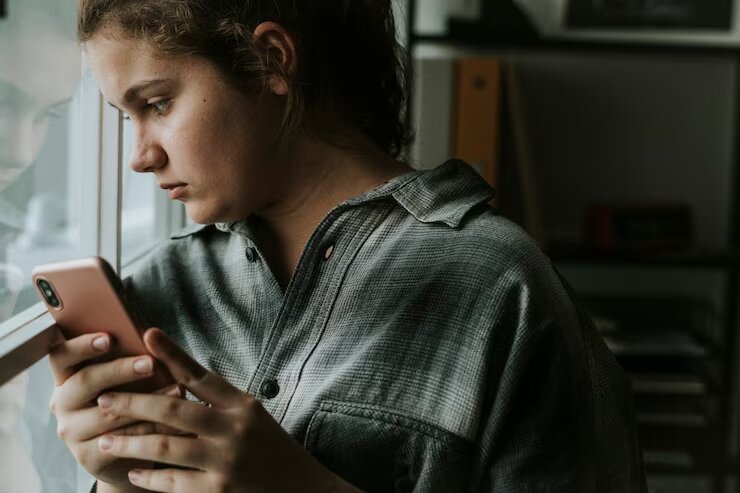

From Likes to Loneliness: Examining the Link Between Social Media Use and Depression
- health
- March 17, 2023
- No Comment
- 39
Introduction
In today’s digital world, social media has become an integral part of our lives. It connects us with people we know and even those we don’t. But did you know that excessive use of social media can lead to feelings of loneliness and depression? While Instagram likes and Facebook shares might seem like a quick fix for boosting your mood, research suggests that there is more to the story than just virtual validation. In this post, we will explore the link between social media use and depression, why it happens, and what you can do to stay mentally healthy in today’s connected society. So grab a cup of coffee (or tea) as we dive into this important topic!
What is Social Media?
A recent study found that people who use social media more often are more likely to be depressed. The study, which was conducted by the University of Pennsylvania, looked at 1,787 young adults and found that those who used social media the most were 2.7 times more likely to experience symptoms of depression than those who used it the least.
There are a number of possible explanations for this link between social media use and depression. One is that people who are already depressed are more likely to use social media as a way to cope with their feelings. Another possibility is that constant comparisons to others’ lives on social media can lead to feelings of inadequacy and loneliness.
Whatever the reason for the link between social media use and depression, it’s clear that there is one. If you find yourself spending hours scrolling through your Facebook feed or Instagram feed, it might be time to take a break. Spend some time offline doing something you enjoy or spending time with loved ones. You’ll be glad you did.
What is Depression?
Depression is a mental health disorder that can cause a person to feel sad, hopeless, and lose interest in things they once enjoyed. Depression affects people of all ages, but it is most common in adults. Symptoms of depression can include changes in sleep, appetite, energy levels, concentration, and mood. People with depression may also engage in self-destructive behaviors, such as substance abuse or self-harm.
While the causes of depression are not fully understood, it is believed to be caused by a combination of genetic, biological, environmental, and psychological factors. Treatment for depression typically includes psychotherapy and medication.
The Link Between Social Media Use and Depression
It is no secret that social media has taken over the world. In fact, it is now estimated that there are over 2.5 billion active social media users globally. With numbers like that, it’s hard to imagine how social media could have any negative effects. However, recent studies have shown that there may be a link between social media use and depression.
One study found that people who used social media more than an hour a day were twice as likely to experience symptoms of depression as those who used it for less than an hour. The study also found that the more time people spent on social media, the greater their risk for depression.
So why is there a link between social media use and depression? One theory is that social media can be a trigger for feelings of envy and comparison. When we see our friends’ seemingly perfect lives on social media, it’s easy to compare our own lives and feel like we don’t measure up. This can lead to feelings of loneliness, inadequacy, and low self-esteem.
Another theory is that social media use can lead to isolation from real-life relationships. If we’re spending all our time interacting with people online, we’re not developing or maintaining important in-person relationships. This can lead to feelings of loneliness and isolation, which can contribute to depression.
If you’re concerned about your level of social media use and its effects on your mental health, there are some things you can do to cut back
Warning Signs of Depression
There are a number of warning signs that may indicate someone is struggling with depression. These can include changes in sleeping patterns, eating habits, energy levels, and mood. A person may also withdraw from activities they used to enjoy, have difficulty concentrating, or feel hopelessness and despair. If you notice any of these warning signs in yourself or a loved one, it’s important to reach out for help.
How to Seek Help for Depression
If you’re feeling depressed, it’s important to reach out for help. Depression is a serious condition that can have a negative impact on your life if left untreated. There are many resources available to help you if you’re struggling with depression.
Your first step should be to talk to your doctor. He or she can evaluate your symptoms and rule out any other potential causes of your feelings. If your doctor suspects you may be depressed, he or she may refer you to a mental health professional for further evaluation and treatment.
There are many different types of treatment available for depression. Some people benefit from medication, while others find that therapy is more helpful. It’s important to work with your doctor or therapist to find the right treatment for you.
Depression can be a difficult condition to face alone. There are many support groups and online resources available to help you through this tough time. You don’t have to go through this alone – reach out for help when you need it.
Conclusion
All in all, our research suggests that there is a strong link between social media use and depression. By proactively monitoring your time on social media platforms and taking steps to stay socially connected with friends and family members offline, you can help ensure that your mental health remains in check while still enjoying the benefits of staying connected online. Don’t be afraid to seek out professional help if necessary; as important as it is to recognize the signs of depression, it’s equally important to know when its time for intervention.





