



From Diet to Exercise: A Comprehensive Approach to Diabetes Management
- health
- March 16, 2023
- No Comment
- 33
Introduction
Diabetes is a condition that affects millions of people worldwide, and its prevalence continues to rise. While there’s no one-size-fits-all approach to managing diabetes, combining proper diet and exercise can work wonders in controlling blood sugar levels. In this comprehensive guide, we’ll explore the benefits of both approaches in managing diabetes and how you can integrate them into your lifestyle seamlessly. So whether you’re newly diagnosed or looking for better ways to manage your diabetes, keep reading for an exciting journey towards a healthier life!
Types of Diabetes
There are two main types of diabetes: Type 1 and Type 2. Type 1 diabetes, also known as insulin-dependent diabetes, is a chronic condition in which the pancreas produces little or no insulin. People with type 1 diabetes must take daily insulin injections to control their blood sugar levels. Type 2 diabetes, also known as non-insulin-dependent diabetes, is a chronic condition that affects the way the body processes blood sugar (glucose). In people with type 2 diabetes, the pancreas does not produce enough insulin or the body’s cells are resistant to the effects of insulin. As a result, blood sugar levels can rise to dangerously high levels.
There are several other less common types of diabetes, including gestational diabetes (which only occurs during pregnancy) and prediabetes (a condition that may precede type 2 diabetes).
Signs and Symptoms of Diabetes
There are a few signs and symptoms of diabetes that you should be aware of. These include:
– Frequent urination
– Excessive thirst
– Extreme hunger
– Unusual weight loss or gain
– Fatigue
– Blurry vision
If you experience any of these symptoms, it’s important to contact your doctor so that you can be properly diagnosed and treated.
Causes of Diabetes
There are a variety of things that can contribute to the development of diabetes. While some people may be more genetically predisposed to the disease, there are lifestyle choices that can increase your risk as well. Things like being overweight, having high blood pressure, and leading a sedentary lifestyle can all contribute to your chances of developing diabetes.
When it comes to managing diabetes, it’s important to take a comprehensive approach. This means making changes to your diet, getting regular exercise, and monitoring your blood sugar levels. Working with your healthcare team, you can develop a plan that’s right for you and help keep your diabetes under control.
Risk Factors for Diabetes
There are many risk factors for developing diabetes. Some of these include being overweight or obese, having high blood pressure, having a family history of diabetes, and being age 45 or older. African Americans, Native Americans, Hispanic/Latino Americans, and Asian Americans are also at an increased risk for developing the disease. Those who have had gestational diabetes or who have given birth to a baby weighing 9 pounds or more are also at an increased risk.
Prevention of Diabetes
There are a number of things you can do to prevent diabetes. First, if you are overweight, losing even a small amount of weight can help. Just a 5-10% reduction in body weight can significantly lower your risk for developing diabetes.
In addition to weight loss, regular exercise is also important for diabetes prevention. Aim for at least 30 minutes of moderate intensity activity most days of the week. This could include walking, biking, swimming, or other activities that get your heart rate up and make you break a sweat.
Last, but not least, eating a healthy diet is critical for diabetes prevention. Focus on eating plenty of fruits, vegetables, and whole grains. Limit processed foods and sugary drinks. And try to avoid large meals late at night. By making these simple lifestyle changes, you can dramatically lower your risk for developing diabetes.
Diagnosis of Diabetes
There are several ways to diagnose diabetes. The most common method is to measure levels of sugar in the blood. This can be done through a fasting blood sugar test, which measures sugar levels after you have not eaten for at least eight hours. A normal fasting blood sugar level is less than 100 mg/dL. A level between 100 and 125 mg/dL is considered prediabetes, and a level of 126 mg/dL or higher indicates diabetes.
Another way to diagnose diabetes is the oral glucose tolerance test. This test measures your blood sugar level after you fast for at least eight hours and then drink a sugary beverage. A normal result is a blood sugar level of less than 140 mg/dL two hours after drinking the sugary drink. A result of 140 to 199 mg/dL indicates prediabetes, and a result of 200 mg/dL or higher indicates diabetes.
If you have symptoms of diabetes, such as increased thirst and urination, weight loss, fatigue, or blurred vision, your doctor may also recommend a urine test for glucose or a finger-stick test for blood sugar levels.
Treatment and Management of Diabetes
There are a number of different ways to treat and manage diabetes, and the approach that is best for each individual may vary depending on the severity of their condition. However, there are some general guidelines that can be followed in order to help effectively manage the disease.
One of the most important aspects of managing diabetes is maintaining a healthy lifestyle. This means eating a balanced diet and getting regular exercise. It is also important to monitor blood sugar levels and take medication as prescribed by a doctor.
In some cases, insulin therapy may be necessary in order to control blood sugar levels. There are a variety of different insulin products available, and the type that is best for each individual will be determined by their doctor.
Diabetes can often be managed successfully through lifestyle changes and medication. However, it is important to work closely with a doctor in order to ensure that the condition is being properly managed.
Exercise and Diabetes
Exercise is a critical component of diabetes management, yet it is often overlooked. Exercise has been shown to improve insulin sensitivity, help control blood sugar levels, and reduce the risk of complications associated with diabetes.
For people with diabetes, regular physical activity can help control blood sugar levels and prevent the onset of complications. The American Diabetes Association (ADA) recommends that people with diabetes engage in 150 minutes of moderate-intensity aerobic activity per week. This can be broken down into 30 minutes per day, 5 days per week.
If you have diabetes, it is important to speak with your healthcare provider before starting an exercise program. They can help you develop a safe and effective exercise plan that meets your individual needs.
Nutrition and diabetes
There are many factors to consider when it comes to managing diabetes, but one of the most important is nutrition. While there is no one-size-fits-all diet for people with diabetes, there are some general principles that can help you create a healthy eating plan.
The goal of a diabetes diet is to keep your blood sugar levels within a normal range. To do this, you’ll need to choose foods that are low in sugar and calories and high in nutrients. You should also limit your intake of saturated and Trans fats, as well as sodium.
Some specific foods that can be part of a healthy diabetes diet include:
-Whole grains
-Lean proteins
-Fruits and vegetables
-Low-fat dairy products
-Beans and legumes
In addition to following a healthy diet, regular exercise is also essential for managing diabetes. Exercise helps to lower blood sugar levels by increasing insulin sensitivity. It can also help you lose weight or maintain a healthy weight, which is important since being overweight or obese can increase your risk for complications from diabetes.
Medications for diabetes
There are a variety of medications available to help control diabetes. The most common types of medications used to treat diabetes are insulin, oral hypoglycemic agents, and alpha-glucosidase inhibitors.
Insulin is a hormone that helps the body use glucose for energy. Insulin injections are typically given to people with type 1 diabetes or type 2 diabetes that is not controlled by other means. Oral hypoglycemic agents help the body better use insulin by lowering blood sugar levels. Alpha-glucosidase inhibitors prevent the breakdown of carbohydrates into sugars, which can help control blood sugar levels after meals.
The decision to start medication for diabetes should be made by you and your healthcare team. The type of medication prescribed will depend on many factors, including the type of diabetes you have, your lifestyle, other health conditions you may have, and your treatment goals.
Surgery for diabetes
There are a number of surgical options available to people with diabetes. Gastric bypass surgery, for example, can help people lose weight and improve their blood sugar control. Other surgeries, such as pancreatectomy, can also be effective in managing diabetes.
Monitoring diabetes
When it comes to managing diabetes, monitoring is key. This means keeping track of both your blood sugar levels and your overall health.
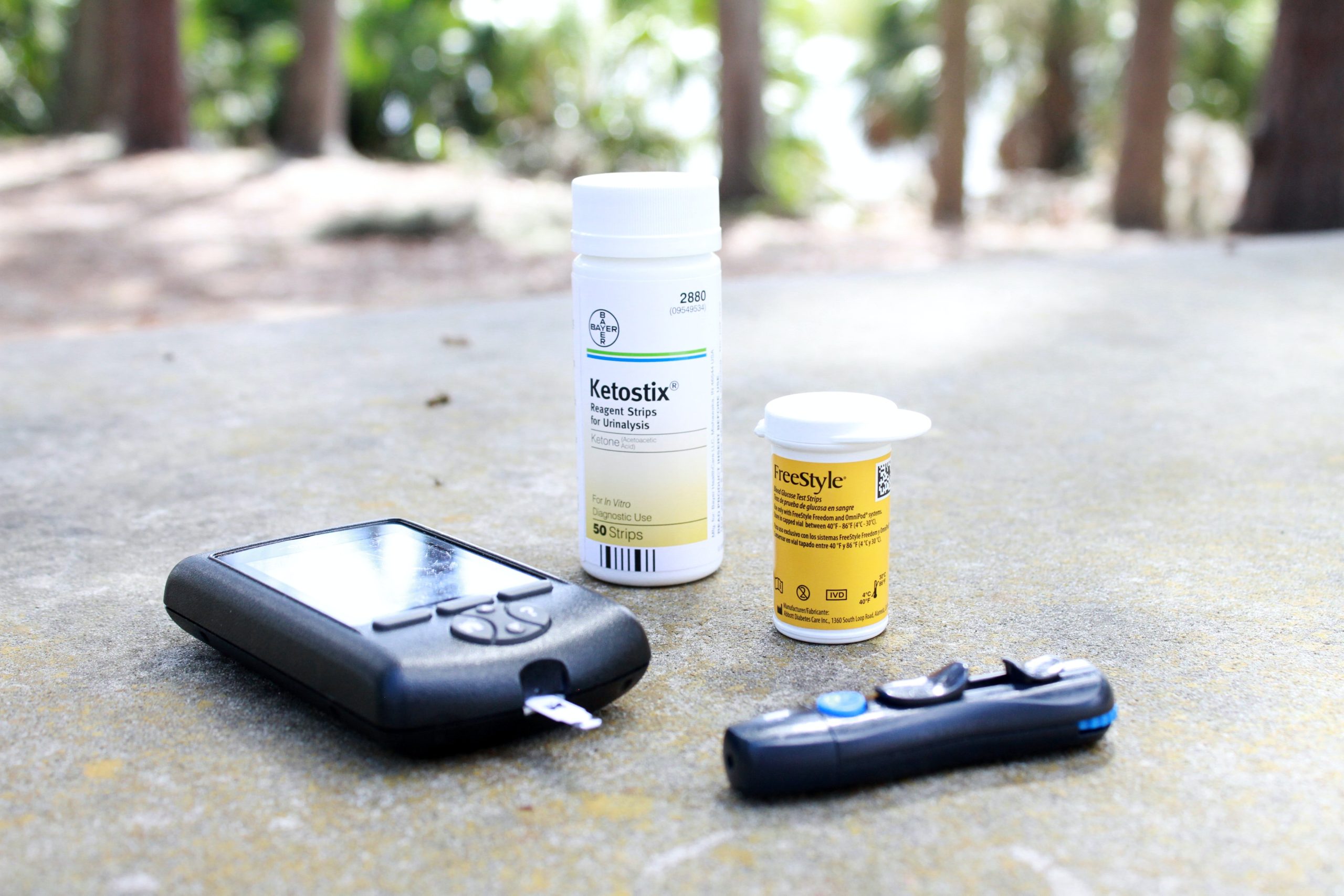
Blood sugar levels can be monitored at home with a simple finger-stick test. You can also talk to your doctor about getting a continuous glucose monitor, which can give you more detailed information about your blood sugar patterns.
Your overall health should be monitored by seeing your doctor regularly. During these visits, you will likely have your blood pressure and cholesterol checked. Your doctor may also recommend other tests, depending on your individual health needs.
Complications of diabetes
There are a number of complications that can arise from diabetes, some of which are serious and can be life-threatening. These include heart disease, stroke, kidney disease, nerve damage, and eye problems.
Heart disease and stroke are the leading cause of death in people with diabetes. Diabetes can damage the blood vessels and nerves, making it more difficult for the heart to pump blood and for the body to regulate blood pressure. This can lead to an increased risk of heart attack and stroke.
Kidney disease is a common complication of diabetes. Diabetes can damage the blood vessels in the kidneys, making them less able to filter out waste products from the blood. This can lead to kidney failure or require dialysis or a kidney transplant.
Nerve damage (neuropathy) is another common complication of diabetes. High blood sugar levels can damage the nerves over time. This can cause pain, numbness, tingling, or weakness in the hands, feet, or other parts of the body. It can also lead to problems with digestion and sexual function.
Eye problems are also common in people with diabetes. Diabetes can damage the blood vessels in the retina (the back part of the eye), leading to diabetic retinopathy. This can cause vision loss or even blindness. It is important to have regular eye exams so that any vision problems can be detected early and treated promptly
Living with diabetes
There is no one-size-fits-all answer to managing diabetes, but there are some general principles that can help. First and foremost, it’s important to work with a healthcare team that can tailor a plan to your individual needs.
In terms of diet, it’s important to focus on eating whole foods and limiting processed foods, as well as keeping an eye on portion sizes. A registered dietitian can help you create a meal plan that meets your needs.
Exercise is also important for diabetes management. It can help improve blood sugar control, promote weight loss (if needed), and reduce stress levels. aim for at least 30 minutes of moderate-intensity exercise most days of the week. If you have trouble fitting exercise into your schedule, try breaking it up into smaller chunks of time or finding activities that you enjoy.
self-care is also critical for managing diabetes. This includes things like monitoring your blood sugar levels, taking medications as prescribed, and noticing signs of complications (like numbness or tingling in your feet). When you take care of yourself, you’re more likely to stay healthy and avoid complications down the road.





