


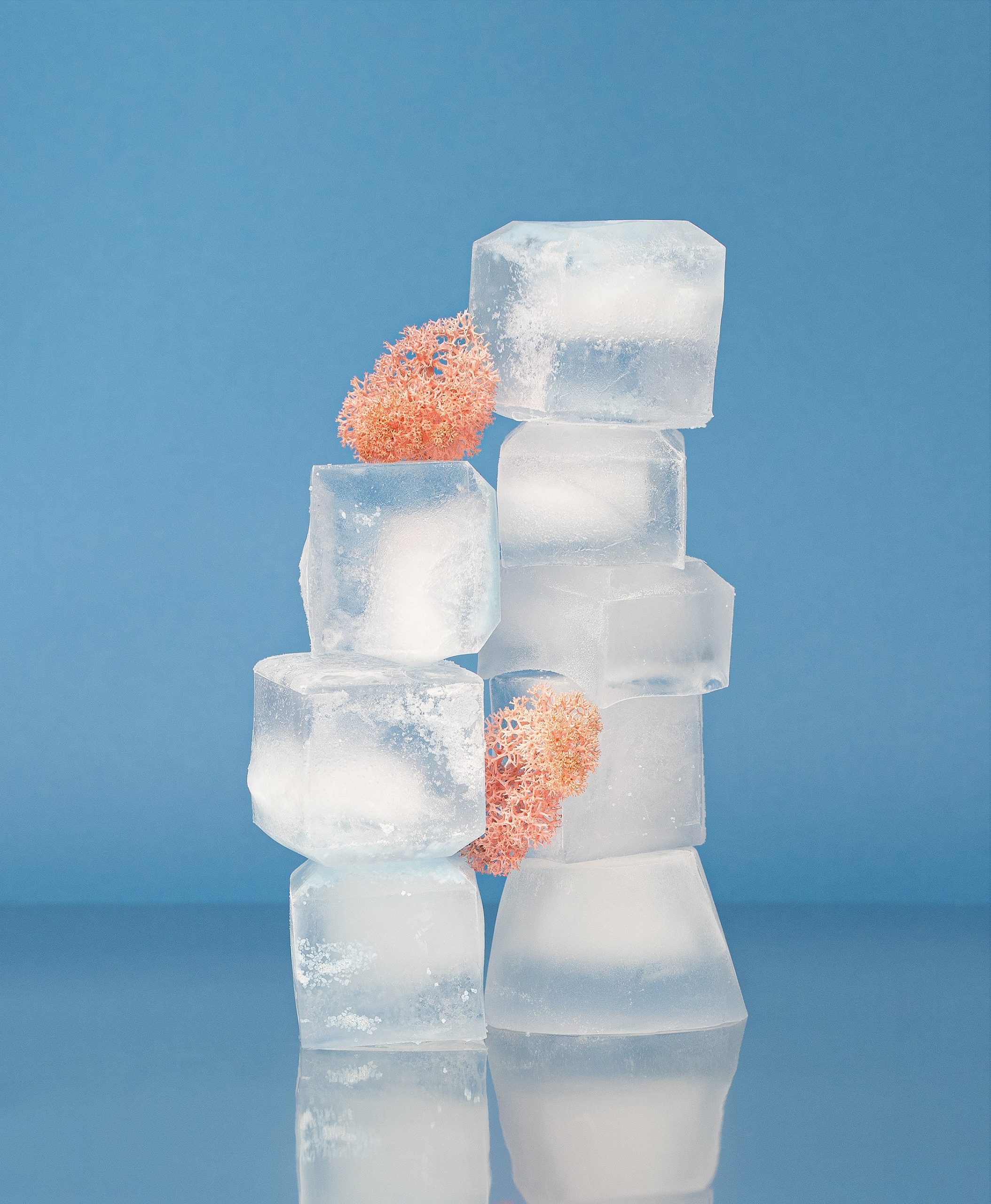

From Mixology to Molecular Gastronomy: Why Specialty Ice is Here to Stay
- Food
- March 7, 2023
- No Comment
- 39
Are you tired of having your cocktails watered down by melting ice? Are you ready for a culinary revolution that takes your drink game to the next level? Look no further than specialty ice. From mixology to molecular gastronomy, this frozen water is changing the way we drink and dine. In this blog post, we will explore how specialty ice came about, its different varieties and shapes, and why it’s here to stay in the world of food and beverage. So sit back, grab a drink (with some fancy ice), and let’s dive into the cool world of specialty ice.
What is molecular gastronomy?
Molecular gastronomy is a subfield of food science that studies the physical and chemical processes that occur during cooking. It was founded in 1988 by French physicist Hervé This and Spanish chemist Ferran Adrià. The term molecular gastronomy was coined by This, who used it to describe his work on the scientific study of cooking. Molecular gastronomy is also referred to as experimental cuisine, modernist cuisine, or avant-garde cuisine.
Adrià is credited with popularizing molecular gastronomy, and he has been dubbed the “father of molecular gastronomy”. He is the owner and head chef of El Bulli, a Michelin 3-star restaurant in Catalonia, Spain. El Bulli was known for its innovative dishes that combined traditional flavors with modern techniques. Some of Adrià’s signature dishes include spheres made of olives and orange juice, ravioli made of Parmesan cheese and olive oil, and spaghetti made from raw beef.
Molecular gastronomy has since been adopted by chefs all over the world. In 2006, Time magazine named Ferran Adrià one of the 100 most influential people in the world. In 2010, he was awarded the Prince of Asturias Award for Arts and Literature.
The rise of specialty ice
The rise of specialty ice has been a long time coming. For years, mixologists and bartenders have been using large format ice cubes to make cocktails and other drinks. The benefits of using these larger cubes are numerous, from slower melting and therefore less dilution of the drink, to the large surface area which allows for better flavor release from the ingredients.
Now, with the rise of molecular gastronomy, bartenders and chefs are taking things one step further by experimenting with different shapes, sizes, and textures of ice. This new generation of specialty ice is not only aesthetically pleasing, but also has functional benefits that can elevate your cocktail or dish to the next level.
So why is specialty ice here to stay? Keep reading to find out!
How to make specialty ice at home
Specialty ice is all the rage these days, and for good reason! Not only does it look pretty, but it can also help enhance the flavor of your drinks. If you’re looking to add a little something extra to your next cocktail party or get-together, here’s how to make specialty ice at home:
You’ll need:
-An ice tray (silicone works great!)
-A measuring cup
-Distilled water
-A funnel (optional)
-Your favorite herbs, fruit, or spices (optional)
Directions:
1. Fill your ice tray with distilled water using the measuring cup. If you’re using a silicone tray, be sure not to overfill as the water will expand as it freezes.
2. If you’re adding any extras like herbs, fruit, or spices, do so now. Use a funnel if needed to avoid making a mess.
3. Place the tray in the freezer and let frozen for several hours or overnight.
4. To remove the ice cubes, simply pop them out of the tray. If they’re being stubborn, run the bottom of the tray under warm water for a few seconds before trying again.
5. Enjoy your beautiful specialty ice in your next drink!
Recipes using specialty ice
When it comes to mixology, the options for using specialty ice are endless. For those looking to add a bit of drama to their drinks, large format ice cubes are a must. These cubes melt slower, keeping drinks cold without watering them down. For a more subtle touch, try using shaped ice cubes or spheres. These can add an elegant twist to any cocktail.
If you really want to get creative, molecular gastronomy techniques can be used to create all sorts of interesting ice creations. By freezing fruit juices or other liquids in silicone molds, you can create custom ice cubes that can add both flavor and visual interest to your drinks. And by using a process called spherification, you can even create caviar-like pearls that make for a truly unique drinking experience.





