



Nourishing Gut Health: Foods That Support a Diverse Microbiota and Digestive Wellness
- FoodFood Drinkhealth
- November 30, 2023
- No Comment
- 47
The old adage, “You are what you eat,” rings particularly true when it comes to gut health. Diet plays a pivotal role in nurturing a healthy gut microbiota, influencing its diversity and balance. Understanding the significance of foods rich in fiber, probiotics, prebiotics, and antioxidants in fostering a thriving gut microbiome is crucial. Let’s explore how dietary choices can promote gut health and overall well-being.
The Foundation: Dietary Fiber for Gut Health
Dietary fiber, found abundantly in fruits, vegetables, legumes, and whole grains, serves as a crucial substrate for beneficial gut bacteria. It acts as a prebiotic, fueling the growth of good bacteria in the gut. Fiber-rich foods contribute to increased microbial diversity, supporting optimal gut health and regular bowel movements.
Probiotics: Cultivating Beneficial Bacteria
Probiotics are live microorganisms that confer health benefits when consumed in adequate amounts. Foods like yogurt, kefir, kimchi, sauerkraut, and miso contain various strains of beneficial bacteria such as Lactobacillus and Bifidobacterium. Incorporating these probiotic-rich foods helps introduce and maintain a healthy balance of beneficial bacteria in the gut.
Prebiotics: Nourishing the Good Bacteria
Prebiotics are non-digestible fibers that act as food for beneficial gut bacteria. Sources include onions, garlic, leeks, asparagus, bananas, and chicory root. By reaching the colon undigested, prebiotics support the growth and activity of beneficial bacteria, aiding in microbial diversity and balance.
Antioxidants: Supporting Gut Health
Antioxidant-rich foods, such as berries, dark leafy greens, nuts, and seeds, play a role in reducing oxidative stress and inflammation in the gut. These compounds support a healthier gut environment, potentially influencing the composition of the gut microbiota.
Creating a Gut-Friendly Diet Plan
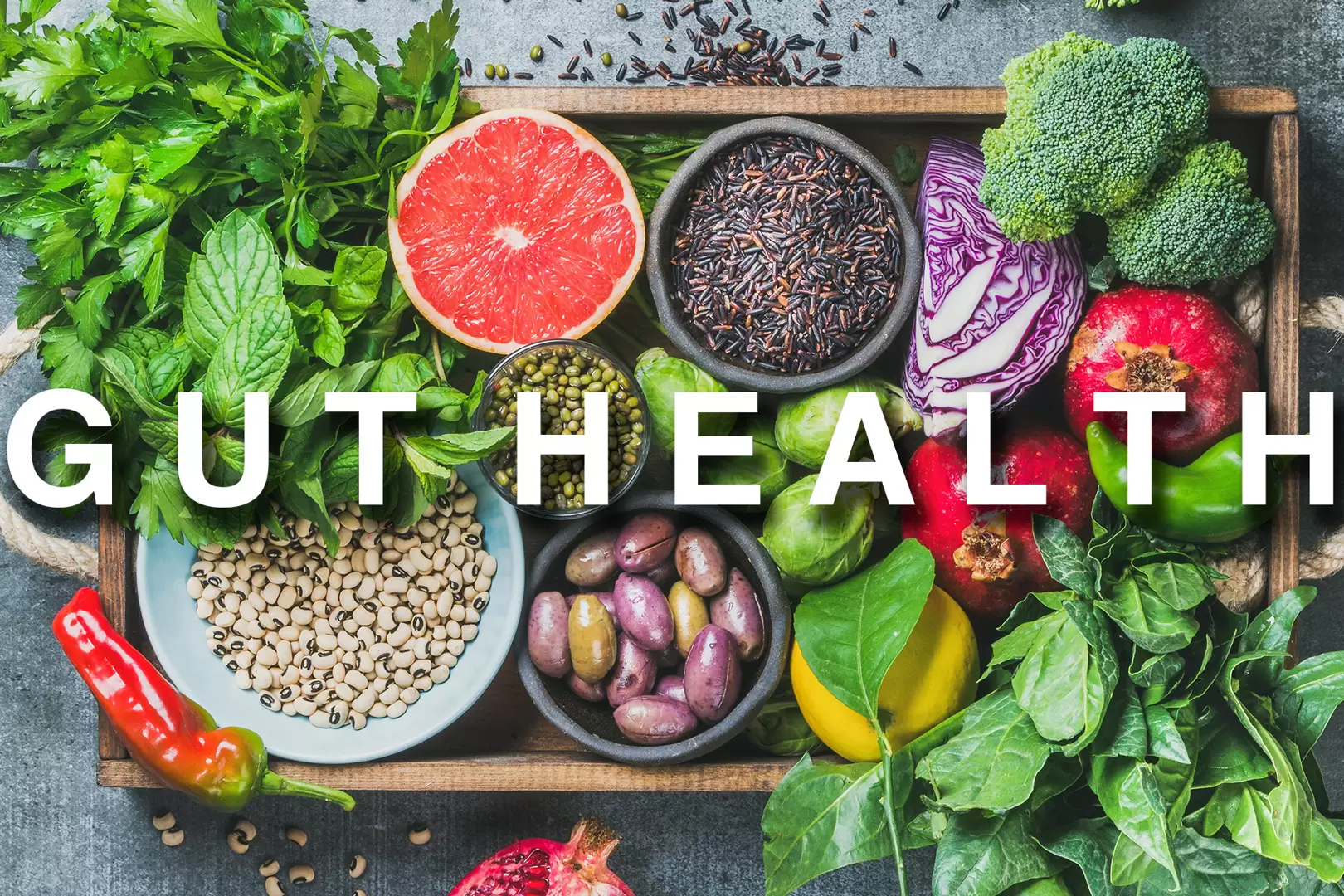
- Diverse Plant-Based Diet: Emphasize a variety of colorful fruits, vegetables, whole grains, and legumes to maximize fiber intake and promote microbial diversity.
- Probiotic-Rich Foods: Incorporate fermented foods like yogurt, kefir, kombucha, and sauerkraut into your diet to introduce beneficial bacteria.
- Prebiotic Foods: Include prebiotic-rich foods such as garlic, onions, bananas, and whole grains to nourish beneficial gut bacteria.
- Lean Protein and Healthy Fats: Incorporate lean proteins (poultry, fish) and healthy fats (avocado, nuts, olive oil) for a balanced diet that supports gut health.

Image By:https://www.karenberrios.com/
Conclusion
A diet rich in fiber, probiotics, prebiotics, and antioxidants is instrumental in fostering a diverse and balanced gut microbiota, thereby promoting optimal gut health. Making conscious dietary choices to include these gut-friendly foods can significantly contribute to a healthier gut environment and overall well-being. Understanding the pivotal role of diet in supporting gut health empowers individuals to take proactive steps toward nurturing their gut microbiome for enhanced vitality and wellness.





