


Escalating Tensions: Attacks on US Interests in Iraq Raise Concerns
- news
- November 1, 2023
- No Comment
- 41
Introduction:
The recent series of attacks on US interests in Iraq has brought the threat of escalating conflict to the forefront. These attacks, targeting American military bases and diplomatic facilities, have raised concerns about the stability of the region and the potential for further violence. In this article, we will delve into the nature of these attacks, explore the underlying tensions, and analyze the implications for regional security.
Nature of the Attacks:
The attacks on US interests in Iraq have been characterized by their sophistication and audacity. They have involved rocket strikes, drone attacks, and other forms of asymmetric warfare. These attacks have targeted American military installations, diplomatic missions, and even civilian contractors, posing a significant threat to US personnel and assets in the region.
Underlying Tensions:
The attacks on US interests in Iraq are rooted in the complex dynamics of regional politics and longstanding grievances. The presence of US forces in Iraq, dating back to the 2003 invasion, has been a source of contention for various factions and militias. Additionally, the ongoing power struggle between Iran and the United States in the region has further fueled tensions and provided a backdrop for these attacks.
Implications for Regional Stability:
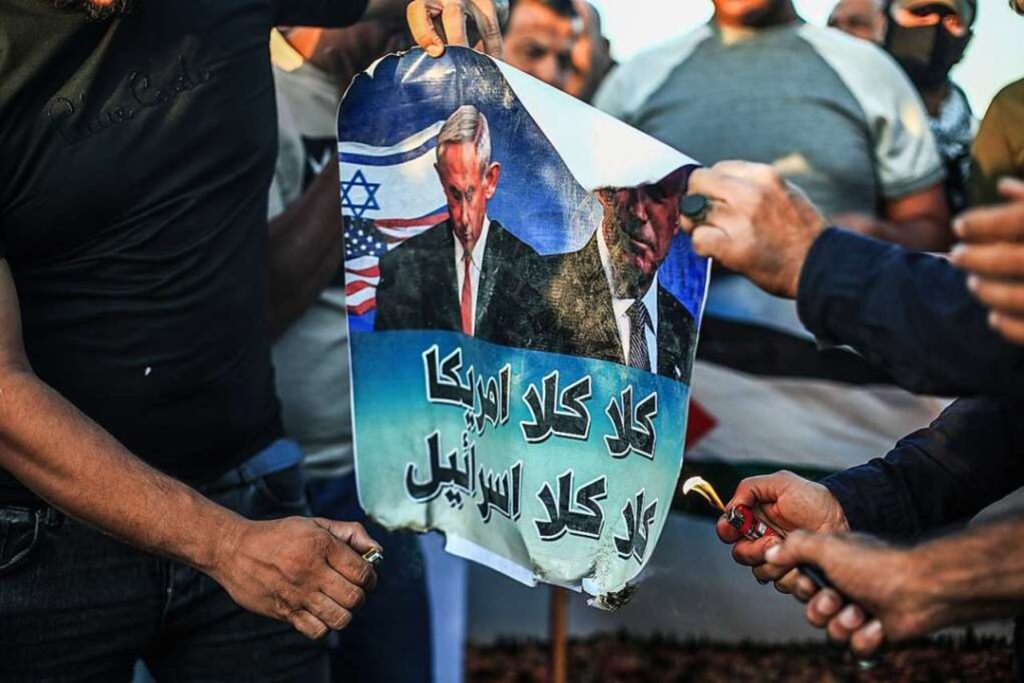
The attacks on US interests in Iraq have significant implications for regional stability. They risk triggering a cycle of retaliation and counter-retaliation, potentially leading to an escalation of conflict. The situation also puts strain on the fragile political landscape in Iraq, where various factions and militias vie for influence. The potential for a broader regional conflict involving other actors cannot be overlooked.
Diplomatic and Security Responses:
In response to the attacks, the United States has taken measures to enhance the security of its personnel and assets in Iraq. This includes deploying additional troops, bolstering air defenses, and conducting retaliatory strikes against the perpetrators. Diplomatic efforts are also underway to engage with regional partners and address the underlying tensions that contribute to the attacks.
Conclusion:
The recent attacks on US interests in Iraq serve as a stark reminder of the threat of escalating conflict in the region. The sophisticated nature of these attacks, coupled with underlying tensions and geopolitical rivalries, pose significant challenges to regional stability. It is crucial for all parties involved to exercise restraint, engage in diplomatic dialogue, and work towards de-escalation to prevent further violence and promote a more secure and peaceful future for the region.
Visual Table:
| Key Points | Implications |
|---|---|
| Surge in Attacks on US Interests | Significance of Increasing Hostilities |
| Notable Incidents and Their Significance | Specific Attacks and Their Potential Consequences |
| Actors Behind the Attacks | Identifying Perpetrators and Their Motivations |
| Safeguarding US Interests | Measures Taken to Protect Assets and Personnel |
| Geopolitical Factors at Play | Broader Dynamics Shaping the Situation in Iraq |
| Ramifications for Regional Engagement | Influence on US Foreign Policy in the Region |
| International Response and Perspectives | Global Stakeholders’ Reactions to Escalating Tensions |
Organic Keyword Usage:
- Attacks on US interests, escalating conflict, Iraq, geopolitical dynamics, US foreign policy, regional engagement, international response.





