



Building Hope: Real Estate’s Role in Homelessness Solutions
- Real Estate
- September 22, 2023
- No Comment
- 40
Introduction: Real Estate’s Vital Role in Homelessness Solutions
Amidst the challenges of homelessness, the real estate sector has emerged as a vital player in crafting solutions and providing hope. This article embarks on a journey through the intersection of real estate and homelessness, shedding light on innovative approaches and partnerships that can make a significant difference in addressing this critical issue.
The Homelessness Crisis
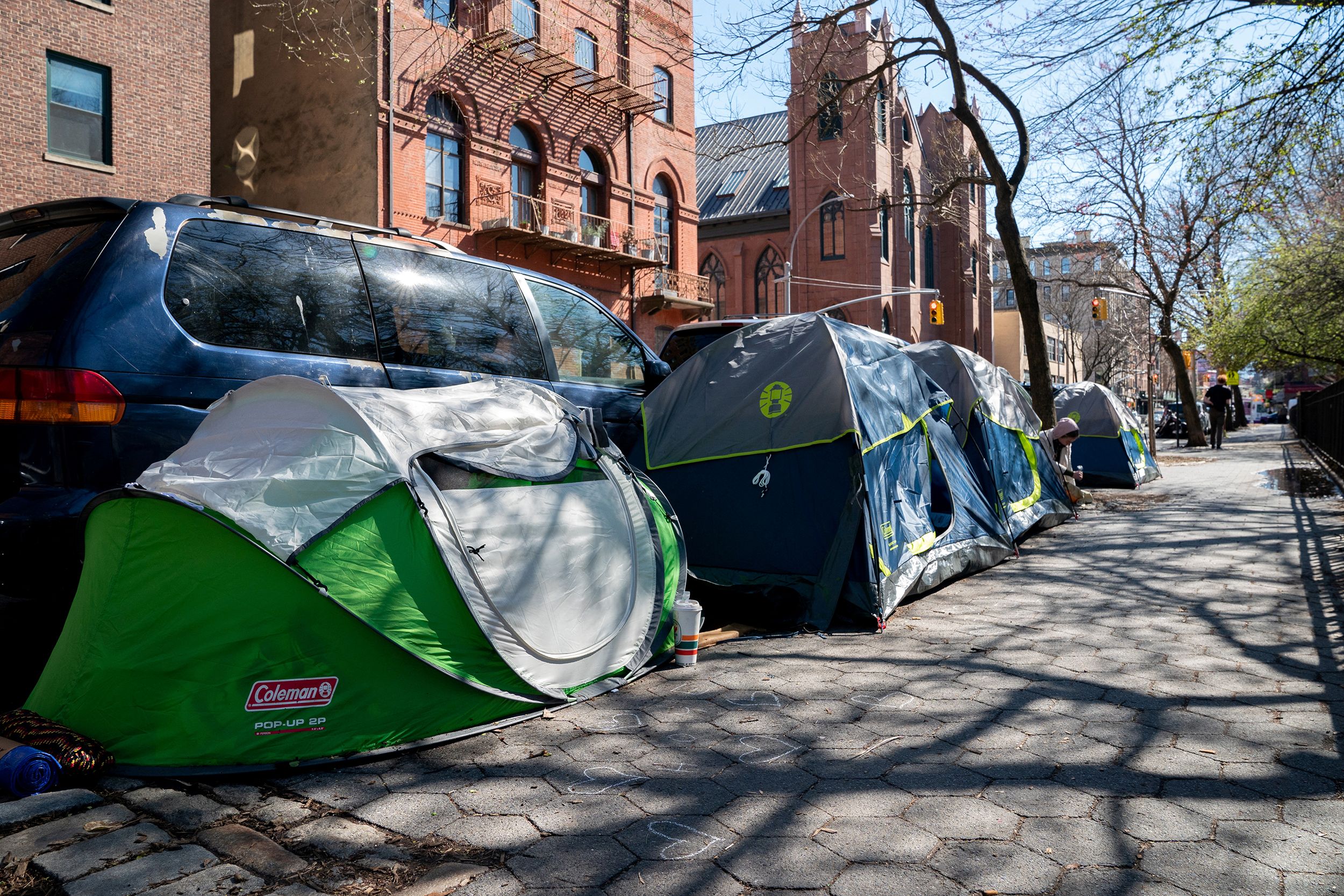
Before delving into solutions, it’s crucial to understand the scale of the homelessness crisis. Homelessness affects individuals and families across the globe, with diverse causes, from economic hardship to mental health challenges. The numbers are staggering, and the need for action is urgent.
The Numbers: A Global Challenge
Homelessness isn’t limited to one region or country; it’s a global issue. Millions of people face housing insecurity, and the numbers continue to grow. Understanding the scope of the crisis is the first step in addressing it.
Real Estate as a Solution
Real estate is more than just an industry; it’s a potential solution to homelessness. It offers the physical infrastructure needed to provide shelter and stability to those in need. Here’s how real estate can play a pivotal role:
Affordable Housing Initiatives
One of the most direct ways real estate can combat homelessness is through affordable housing initiatives. Developers, government agencies, and nonprofits can collaborate to create affordable housing options that cater to different needs, including permanent supportive housing for those experiencing chronic homelessness.
Public-Private Partnerships
Public-private partnerships can bridge the gap between the public sector’s resources and the private sector’s expertise and capital. These partnerships can result in the creation of affordable housing units and supportive services that address the unique needs of homeless individuals and families.
Adaptive Reuse and Repurposing
Another innovative approach is adaptive reuse and repurposing of existing real estate assets. Abandoned buildings, hotels, and even shipping containers can be transformed into affordable housing units, offering a cost-effective way to increase housing stock for the homeless population.
Innovations in Homelessness Solutions
In addition to traditional approaches, innovative solutions are emerging to address homelessness effectively. These approaches leverage technology, social impact investing, and community engagement to create sustainable change.
Homelessness Prevention Technologies
Technological advancements are being harnessed to prevent homelessness before it occurs. Predictive analytics, data-driven interventions, and smartphone apps are being used to identify individuals at risk of homelessness and connect them with resources and support early on.
Social Impact Investing
Social impact investors are recognizing the potential for both financial returns and positive social outcomes. Impact investing in affordable housing projects and homelessness solutions not only provides capital but also supports initiatives that make a difference in people’s lives.

Community Engagement and Supportive Services
Homelessness solutions extend beyond shelter. They involve providing critical supportive services such as mental health counseling, addiction treatment, and job training. Communities are coming together to create holistic programs that address the root causes of homelessness.
Success Stories and Impact
Real-world success stories showcase how real estate can be a beacon of hope for those experiencing homelessness. These cases demonstrate the tangible impact of housing initiatives and community-driven solutions.
Case Study 1: Housing First Approach
The Housing First approach, which prioritizes providing stable housing to individuals experiencing homelessness, has shown remarkable success. Cities like Salt Lake City, Utah, have seen significant reductions in homelessness by adopting this approach, proving that housing is the foundation for rebuilding lives.
Case Study 2: Tiny Home Villages
Tiny home villages have gained popularity as a cost-effective and dignified housing solution. Communities like Austin, Texas, have implemented tiny home village projects that provide shelter, support, and a sense of community to individuals transitioning out of homelessness.
Partnerships for Progress
Addressing homelessness requires collaboration among various stakeholders. Governments, nonprofits, real estate developers, and the community must work together to create lasting solutions. Here’s how partnerships can drive progress:
Government Initiatives
Government agencies can provide funding, policy support, and land for affordable housing projects. By prioritizing homelessness prevention and housing-first policies, governments can set the stage for meaningful change.
Nonprofit Organizations
Nonprofits play a crucial role in service provision and advocacy. They can partner with real estate developers to create supportive housing and offer wraparound services that address the complex needs of homeless individuals and families.
Corporate Social Responsibility
Companies can contribute to homelessness solutions through their corporate social responsibility initiatives. By investing in affordable housing projects and community engagement, corporations can make a positive impact in their local communities.
Conclusion: Building Hope Through Real Estate
In conclusion, real estate’s role in addressing homelessness goes beyond providing shelter; it offers hope and stability to those in need. Innovative approaches, partnerships, and community-driven solutions are transforming the way we tackle homelessness. By recognizing the potential of real estate as a solution and working together, we can make progress in building a future where homelessness is a thing of the past.
Real estate developers, government agencies, nonprofits, and communities all have a part to play in this critical mission. Together, we can create a world where everyone has a place to call home and the hope for a brighter future.





