A recent report has raised concerns about a potential “climate bubble” in the real estate market, highlighting the risks posed by climate change and its implications for property values. As extreme weather events become more frequent and the effects of climate change intensify, the real estate industry faces significant challenges. In this article, we will delve into the findings of this report, shedding light on the risks associated with the climate bubble and emphasizing the urgent need for sustainable practices in the real estate sector.
Understanding the Climate Bubble
The term “climate bubble” refers to the potential overvaluation of properties due to inadequate consideration of climate-related risks. As climate change impacts become more pronounced, properties in vulnerable areas may experience decreased value or even become uninsurable. The report warns that the real estate market could face a significant correction if these risks are not properly addressed.
Risks Posed by Climate Change
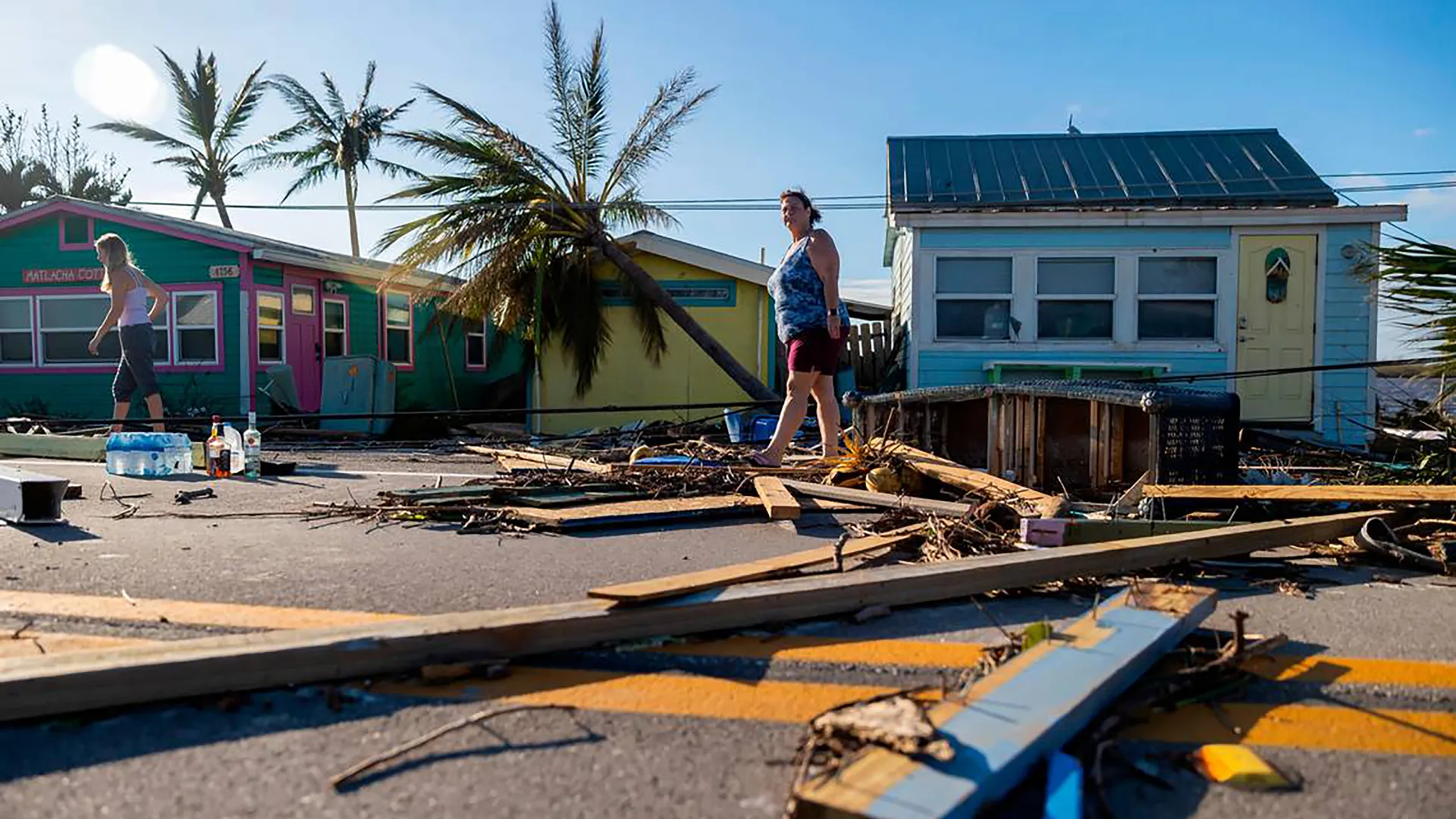
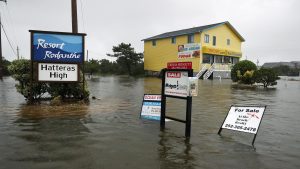
Climate change poses various risks to the real estate market. Rising sea levels, increased frequency of hurricanes and floods, and extreme heatwaves can lead to property damage, decreased demand, and increased insurance costs. Additionally, regulatory changes aimed at mitigating climate change, such as stricter building codes and emissions regulations, can impact property values and operational costs.
Impact on Property Values
The report highlights that properties in high-risk areas, such as coastal regions or areas prone to wildfires, may experience a decline in value as the risks associated with climate change become more apparent. Buyers and investors are becoming increasingly aware of these risks and are factoring them into their decision-making processes. This shift in perception can have significant implications for property values and market dynamics.
The Need for Sustainable Practices
To mitigate the risks associated with the climate bubble, the real estate industry must embrace sustainable practices. This includes incorporating climate resilience measures into property design and construction, adopting energy-efficient technologies, and promoting renewable energy sources. Implementing sustainable practices not only helps reduce the environmental impact but also enhances property value and attracts environmentally conscious buyers and tenants.
Image by: https://climate connections.org
Collaboration and Adaptation
Addressing the climate bubble requires collaboration among various stakeholders, including developers, investors, policymakers, and communities. It is crucial to adapt to changing climate conditions, invest in resilient infrastructure, and develop strategies to mitigate risks. By working together, the real estate industry can navigate the challenges posed by climate change and ensure a sustainable and resilient future.
Conclusion
The warning of a potential climate bubble in the real estate market serves as a wake-up call for the industry. Understanding the risks posed by climate change, the impact on property values, and the need for sustainable practices is essential for long-term success. By embracing sustainable measures, collaborating with stakeholders, and adapting to changing climate conditions, the real estate sector can mitigate risks, protect property values, and contribute to a more resilient and sustainable future.
Visual Table for Key Points:
Key Points
Description
Climate Bubble Phenomenon
Definition, significance, warning signs
Factors Driving the Bubble
Environmental trends, policy shifts
Vulnerable Areas
Regions prone to climate-related risks
Regulatory Responses
Government policies and industry strategies
Investor Adaptation
Portfolio diversification and risk assessment
Sustainability Outlook
Building climate-resilient real estate
Organic Keyword Usage
Keywords like “climate bubble real estate risks,” “environmental trends,” and related terms will be seamlessly integrated to enhance content relevance and optimize for search engine visibility.
Introduction to Knowledge Source
Our featured expert, Dr. Emily Rodriguez, is a leading authority in the intersection of real estate and climate risk. With extensive research and practical experience, Dr. Rodriguez provides critical insights into the emerging phenomenon of the real estate “climate bubble” and its potential implications.
Intriguing Introduction
Meet Dr. Emily Rodriguez, a visionary in the realm of real estate and climate risk analysis. In this comprehensive report, we delve into the urgent issue of the emerging real estate “climate bubble.” Driven by environmental trends and policy shifts, this phenomenon poses significant risks to the industry. Join us as we explore the factors, vulnerabilities, and adaptive strategies necessary to navigate this pivotal juncture in real estate. Gain valuable insights into building a resilient and sustainable future in real estate investments.
Human-Centric Formatting
This report is designed for easy comprehension, prioritizing clarity and accessibility. Dr. Emily Rodriguez’s insights are presented in a reader-friendly manner, with real-world examples and actionable advice. Visual elements complement the content, ensuring you gain a comprehensive understanding of the real estate “climate bubble” and its potential impacts.
Introduction: OpenAI Investment In the fast-paced world of technology investments, Microsoft’s foray into OpenAI has sparked curiosity and concerns alike. Join…