


Navigating the Software Development Journey: 6 Key Steps
- Productivity
- September 7, 2023
- No Comment
- 46
Introduction: Software Development Journey
In the ever-evolving landscape of technology, software development stands as the cornerstone of innovation. Whether you’re a seasoned developer or just stepping into the realm of coding, understanding the software development process is essential. In this comprehensive guide, we’ll unravel the intricate steps that transform a simple idea into a functional software application. From the initial needs assessment to the ongoing maintenance, each phase plays a pivotal role in ensuring your software’s success. Let’s embark on this enlightening journey into the heart of software development.
1. Needs Assessment: Defining the Purpose
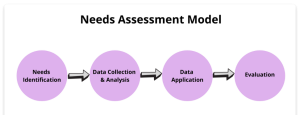
Before diving into the world of code, it’s crucial to define the problem you aim to solve. The needs assessment phase is the foundation of your project. Here, you identify the core problem, conduct market research, and engage with stakeholders. Whether you’re embarking on a massive project or a smaller-scale endeavor, this step demands clarity. Creating a list of must-have features is your compass in this phase, steering you away from scope creep – the silent project killer.
2. Design: Blueprinting Your Vision

While coding might be enticing, the design phase acts as your software’s blueprint. Similar to crafting an outline before writing a paper, designing your software organizes your thoughts and ensures a smooth development journey. Consider creating a prototype for the user interface, designing database tables, and mapping relationships. Don’t forget to outline program flow and complex algorithms with flow charts. A well-thought-out design paves the way for efficient coding.
3. Coding: Bringing Ideas to Life

Coding – the heart of software development. After meticulous planning and design, it’s time to write the code that breathes life into your project. When your needs and design are crystal clear, this step becomes straightforward. While challenges may arise, thorough planning minimizes complications. Dive into the coding process with excitement, knowing that your well-structured foundation will support your project’s growth.
4. Testing: Ensuring Functionality
After coding, rigorous testing is imperative. Your code needs to be validated for expected functionality and compliance with project needs. In smaller projects, testing might involve debugging, but larger projects could benefit from focus groups to refine software design and requirements. The order of this step can vary; Test Driven Development, for instance, integrates testing from the start. Effective testing ensures your software meets the envisioned goals.
5. Implementation: Ready, Set, Deploy
Once your software passes testing, it’s time for implementation. The software should be fully functional and ready for deployment or use. In large projects, consider a staggered release, allowing you to respond to user-discovered issues and bugs effectively. Implementation marks the moment your software enters the hands of users, unveiling any unforeseen challenges.
6. Maintenance: The Ongoing Journey
The software development journey doesn’t conclude with implementation. Maintenance is an ongoing phase, essential for the software’s longevity. Users may identify unmet needs, new features could be envisioned, or bugs may surface. This phase involves constant monitoring and revisions to ensure your software adapts to evolving requirements and continues to serve its purpose.
| Step | Description | Importance |
|---|---|---|
| 1. Needs Assessment | Identifying the problem to solve and defining project scope. | Foundation of the project; prevents scope creep. |
| 2. Design | Creating a blueprint, including UI, database, and algorithms. | Organizes thoughts and streamlines development. |
| 3. Coding | Writing the actual code for the software. | Breathes life into the project based on design. |
| 4. Testing | Rigorously testing the software for functionality. | Ensures software meets requirements and is bug-free. |
| 5. Implementation | Deploying the fully functional software. | Marks the moment users can access and use the software. |
| 6. Maintenance | Ongoing monitoring, revisions, and updates. | Ensures software adapts to evolving needs and issues. |
Each step in the software development process plays a crucial role in ensuring the success of your project, from defining the problem to maintaining and evolving the software over time.
Conclusion
The software development process is a multifaceted journey, encompassing various phases, from needs assessment to ongoing maintenance. Each step contributes to the success of your project, ensuring it aligns with its intended purpose. Whether you’re developing a small-scale application or a large-scale software system, mastering these six crucial steps will guide you toward software development excellence. Embrace the journey, for it’s in the process that innovation thrives, and technology evolves.





