




Unlocking Well-being: Your Digital Toolkit for Mental Self-Care
- Productivity
- September 6, 2023
- No Comment
- 45
How to Build a Digital Toolkit for Mental Self-Care
In today’s digital age, technology often feels like a distraction, but it can also be a powerful ally for your mental well-being. Instead of letting your devices overwhelm you, learn how to harness the potential of digital tools to create a self-care toolkit that nurtures your mind and soul. This article will guide you through building a digital self-care arsenal filled with relaxation apps, mindfulness podcasts, and other resources to prioritize your mental health.
Embrace Virtual Support Groups and Online Communities
Feeling disconnected in our hyper-connected world is a common sentiment. However, virtual support groups and online communities offer a remedy. These digital spaces provide a sense of belonging, allowing you to share experiences, receive encouragement, and feel validated.
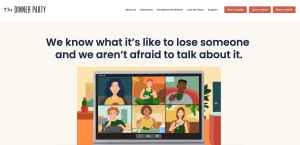
- HeyPeers: A hub for themed support groups.
- The Dinner Party: A community for those coping with loss.
- Facebook Groups: Curated spaces by mental health professionals.
- Anxiety & Depression Association of America (ADAA): An anonymous peer-to-peer support group with global reach.
While online communities have their pros and cons, they play a crucial role in promoting mental wellness and making mental health care more accessible.
Explore Digital Therapeutic Services
Digital therapeutics is a burgeoning field that utilizes technology to provide therapy and wellness services, making therapy more accessible and affordable. These services offer flexibility in scheduling and require only an internet connection.
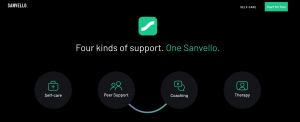
- BetterHelp: Connects you with licensed therapists.
- Talkspace: Offers therapy from the comfort of your couch.
- Sanvello: Incorporates Cognitive Behavioral Therapy (CBT) and mindfulness meditation.
Digital therapeutics are not only making therapy accessible but also promoting equity in mental wellness.
Engage with AI-Powered Mental Health Chatbots
AI-powered mental health chatbots, like Woebot and ChatGPT, provide emotional support, suggest coping strategies, and offer self-care recommendations 24/7. These virtual companions bridge the gap between therapy sessions and ensure continuous support.
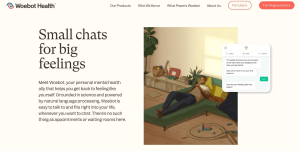
- Woebot: Offers CBT, Interpersonal Psychotherapy (IPT), and DBT.
- ChatGPT: Acts as a conversational mental health coach.
These chatbots have the potential to supplement mental health services and promote self-care practices.
Tune Into Mental Health Podcasts
Mental health podcasts provide insights, advice, and support on various mental health topics. They offer practical strategies and remind you that you’re not alone in your journey.
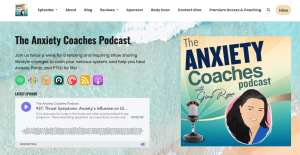
- Mental Illness Happy Hour: Personal stories and expert opinions.
- The Anxiety Coaches Podcast: Coping strategies for anxious minds.
These podcasts create a sense of community among listeners facing similar challenges.
| Key Points | Details |
|---|---|
| Virtual Support Groups and Online Communities | – HeyPeers for themed support groups.<br>- The Dinner Party for coping with loss.<br>- Facebook Groups curated by professionals.<br>- ADAA’s anonymous peer-to-peer support group.<br> |
| Digital Therapeutic Services | – BetterHelp connects to licensed therapists.<br>- Talkspace offers therapy from home.<br>- Sanvello with CBT and mindfulness meditation.<br> |
| AI-Powered Mental Health Chatbots | – Woebot for CBT, IPT, and DBT.<br>- ChatGPT as a conversational mental health coach.<br> |
| Mental Health Podcasts | – Mental Illness Happy Hour for personal stories.<br>- The Anxiety Coaches Podcast for coping strategies.<br> |
| Building Your Digital Mental Health Toolkit | – Technology making mental health resources accessible.<br>- Complementing professional mental health services.<br> |
Building Your Digital Mental Health Toolkit
The digital age has made mental health resources accessible, affordable, and flexible. While technology cannot replace professional mental health services, it complements them. As you navigate the tech landscape, remember that you’re not just a user of technology; you’re a champion of your well-being.





